 listicle
Natural Fur Blankets for Cabins: A 2026 Buyer's Guide
Table of Contents
- Why Natural Fur Blankets Belong in a Cabin
- Comparing Fur Types for Warmth and Weight
- Sizing Guide: From Twin Throws to King Size Blankets
- The Best Fur Blankets for Rustic Decor
- Ethical Sourcing and Quality: What to Look For
- How to Clean Real Fur Blankets and Store Them
- Choosing the Right Blanket for Your Cabin
- Frequently Asked Questions
Last Updated: September 7, 2026
Why Natural Fur Blankets Belong in a Cabin
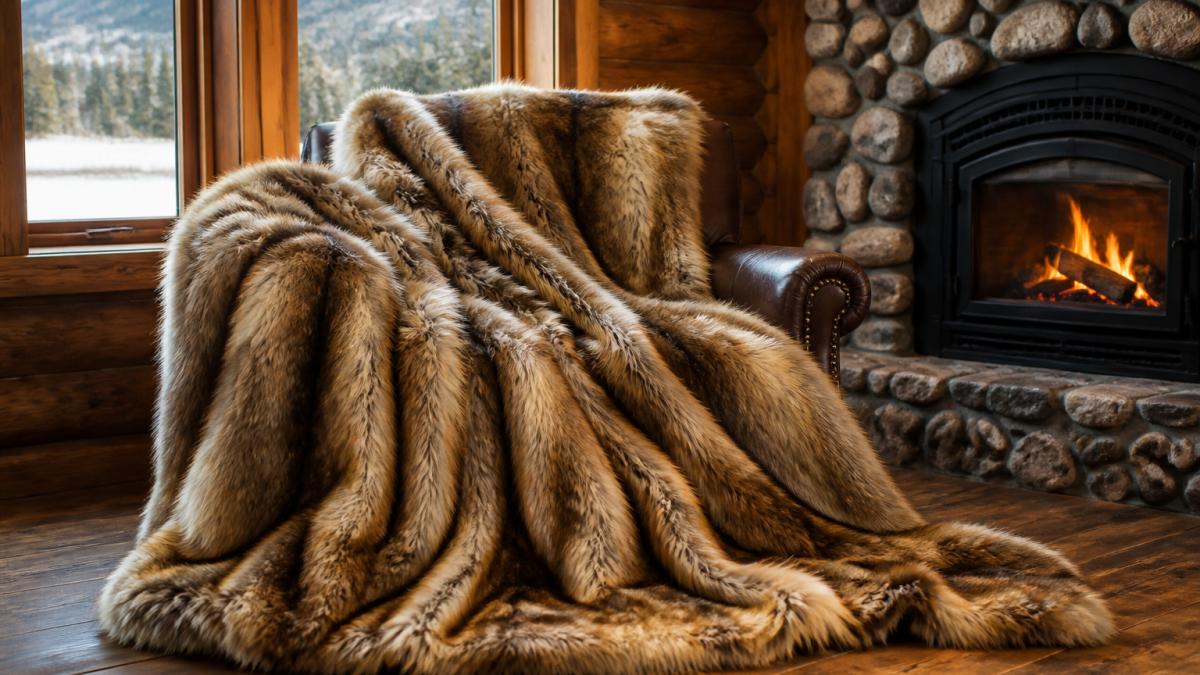
Nothing transforms a cabin into a retreat quite like the texture and warmth of genuine fur. A natural fur blanket for cabins is more than decoration; it is a functional layer that traps body heat while adding an organic, mountain-inspired aesthetic that synthetic textiles cannot replicate.
Fur provides superior insulation because each hair shaft traps air, creating a microclimate that keeps you warm without the bulk of heavy wool or down. Unlike a woven blanket that sits on top of you, a fur throw wraps around your shoulders and holds warmth close.
Below, we will walk through the fur types that perform best, the sizing you need for beds and sofas, and how to care for your investment so it lasts for decades.
Comparing Fur Types for Warmth and Weight
The best fur blanket for your cabin depends on how you plan to use it, because each pelt type offers a different balance of warmth, weight, and texture. Understand the warmth-to-weight ratio, a metric that separates decorative throws from blankets that keep you warm on a 20-degree night.
Here is how the most common fur types compare in practice:
- Sheepskin: The most versatile option. It is dense, durable, and naturally regulates temperature, making it ideal for year-round use. The wool backing adds cushioning, which is why sheepskin throws work well on reading chairs and bench seating. In terms of warmth-to-weight, sheepskin is moderate: it provides steady insulation but is heavier than fox or coyote. It excels in high-traffic areas because the wool fibers resist matting and the leather backing holds up to repeated sitting.
- Fox fur: Prized for its long, silky guard hairs and dramatic color variations, including silver, blue frost, and arctic shades. Fox is lighter than sheepskin but provides excellent insulation, making it a top choice for decorative throws that still deliver real warmth. The hollow guard hairs trap air efficiently, giving fox one of the best warmth-to-weight ratios among common fur types. A full fox throw weighs roughly 3 to 4 pounds, yet it performs comparably to heavier beaver in terms of heat retention. This makes fox the ideal choice for draping over shoulders while reading or for layering on a bed without adding excessive bulk.
- Beaver fur: Short, dense, and incredibly warm. Beaver pelts are heavier and feel almost like velvet. They suit extreme cold and high-traffic areas where you want maximum durability. The underfur is exceptionally thick, which gives beaver a higher warmth-per-square-inch than fox or sheepskin. However, this density comes at a cost: a beaver throw can weigh 6 to 8 pounds, making it less practical for wrapping around yourself. Reserve beaver for bed toppers in drafty lofts or for covering a sofa where you want maximum insulation without frequent movement.
- Coyote fur: Known for its thick undercoat and natural color gradient. Coyote offers a rugged, Western look that pairs well with log walls and leather furniture, and it performs well in damp conditions. The guard hairs are stiffer than fox, which makes coyote more resistant to moisture and snowmelt. Its warmth-to-weight ratio sits between sheepskin and beaver. Coyote is a strong choice for cabins in wet climates or for blankets that will see outdoor use on porches and decks.
A common mistake is assuming thicker always means warmer; the warmth-to-weight ratio matters more. For a throw you will actually use while reading, fox or sheepskin is the practical pick. For a bed topper in a drafty loft, beaver is hard to beat.
There is also a difference in how each fur type handles moisture. Beaver and coyote have water-resistant guard hairs that shed light snow and condensation, making them suitable for cabins without climate control. Fox and sheepskin absorb more moisture and require drier environments. If your cabin sits in a humid river valley or near a lake, prioritize beaver or coyote.
Finally, consider the backing material. Sheepskin typically retains its natural suede backing, which is supple and breathable. Fox and coyote pelts are often backed with a durable textile or leather laminate to prevent stretching. Beaver pelts are heavier and require reinforced stitching at the seams. For cabin use, a supple leather or suede backing is preferable because it conforms to furniture and resists cracking.
Sizing Guide: From Twin Throws to King Size Blankets
Fur blankets are sold by pelt count and finished dimensions, and choosing the wrong size is the most frequent error buyers make.
For a cabin, think about where the blanket will live most of the time:
- Twin throws (50-60 inches): Best for a single armchair, a bench at the foot of the bed, or draping over the back of a sofa for visual texture.
- Full and Queen sizes (80-90 inches): Suitable for a full or queen bed as a top layer, or for covering a large sectional when you want to protect the upholstery and add warmth.
- King size (100+ inches): Made from multiple matched pelts sewn together. These are statement pieces that cover an entire bed and provide enough material to wrap around two people.
Before ordering, measure your furniture. A queen bed is approximately 60 by 80 inches, so a blanket labeled "queen" should exceed those dimensions to allow for a proper drape over the sides. For sofas, measure the seat width and add 12 to 18 inches for overhang on each end. When in doubt, size up.
The Best Fur Blankets for Rustic Decor
Styling a natural fur blanket for cabins comes down to letting the material's organic colors anchor the room. Natural pelts range from creamy white and silver to deep brown and charcoal, and these tones work with almost any rustic palette.
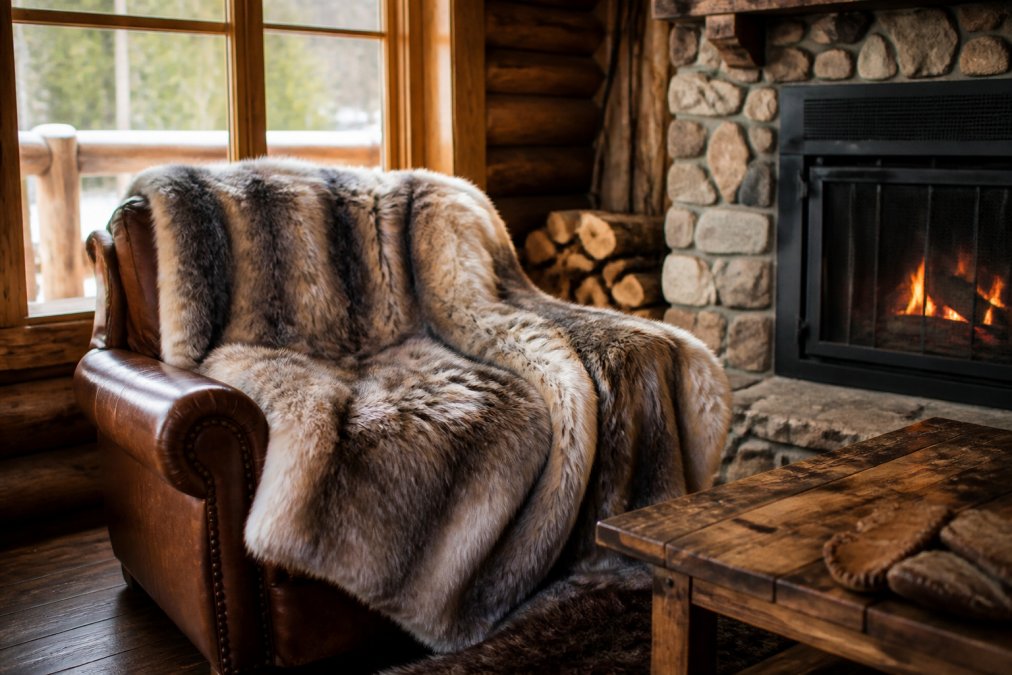
For a traditional lodge look, drape a full-skin fur throw over the arm or back of a leather sofa. The contrast between the smooth leather and the textured fur creates visual interest and invites guests to sit down. On a bed, layer a fur blanket at the foot rather than using it as the primary cover, protecting the duvet while adding a touch of luxury that reads as intentional design.
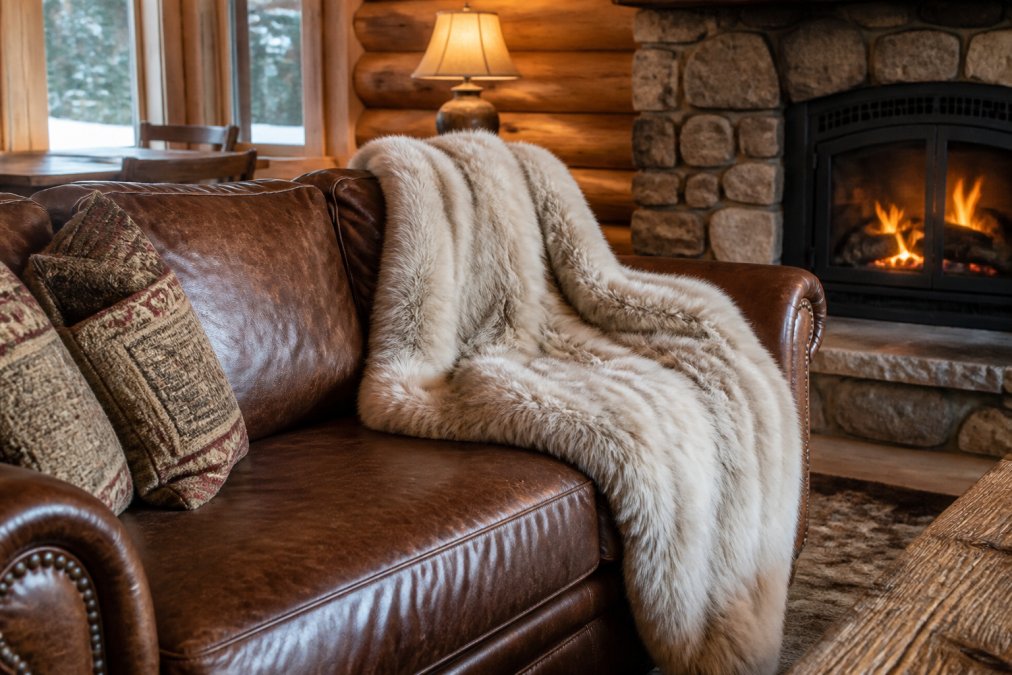
Campbell Fine Furs offers a curated selection of fur home decor, including throws and pillows that pair well with Western and mountain aesthetics. The natural color variations in each pelt ensure no two pieces are identical.
Ethical Sourcing and Quality: What to Look For
Buying genuine fur raises a legitimate question: how do you know the pelts were sourced responsibly? The fur trade in the United States is regulated, and reputable sellers should be transparent about where their materials come from. Look for sellers who can speak to the origin of their pelts and whether they are a byproduct of the food industry or managed wildlife populations.
Quality differences between handcrafted and mass-produced fur blankets are significant. Mass-produced options often use lower-grade pelts with thin leather that stretches and tears, and they may glue or staple the fur to a textile backing rather than sewing it properly. A handcrafted blanket from skilled artisans will have consistent fur direction, even seams, and a supple leather backing that does not crack.
A common issue buyers report is shedding. Some shedding is normal when a fur item is new, but excessive or continuous shedding indicates poor tanning or low-quality pelts. Ask about the tanning process and whether the leather has been conditioned. Well-tanned fur should hold its hairs firmly; you should be able to run your hand against the grain without losing clumps of fur.
How to Clean Real Fur Blankets and Store Them
Many owners ruin their fur blankets by treating them like textile throws. Real fur is a natural material with specific care requirements, and the rules differ from washing a wool or fleece blanket. Cabins introduce additional challenges: seasonal vacancy, temperature swings, and humidity fluctuations that accelerate leather degradation. Understanding how to clean and store fur in a cabin environment is the difference between a blanket that lasts 10 years and one that lasts 40.
Cleaning a real fur blanket is best done by a professional furrier who has the equipment to clean and condition the leather without drying it out. At-home washing, whether by machine or by hand, strips the natural oils from the hide and causes it to stiffen and crack. For spot cleaning, use a damp cloth and a mild soap, then blot dry. Never rub the fur, as this mats the hairs.
For routine maintenance, shake the blanket outdoors to remove dust and debris, and brush it gently with a wide-toothed comb designed for fur to keep the hairs from tangling. Do this at the end of each visit to your cabin, before storage.
Seasonal Storage in Cabins
Cabins present a unique storage problem: they are often unoccupied for weeks or months, and the interior temperature can swing from freezing to 80 degrees or more. Fur needs stable conditions to survive these gaps.
Humidity is the primary enemy. When a cabin sits closed up, moisture from the air condenses on cold surfaces, including the leather backing of a fur blanket. This moisture causes the hide to absorb water, leading to stiffness, cracking, and eventually rot. If your cabin does not have climate control, do not leave fur blankets out on furniture during the off-season. Store them in a room that stays relatively dry, such as an interior closet away from exterior walls.
Moth prevention requires active measures. Moths are attracted to the keratin in fur, and a single undetected infestation can destroy a blanket in one season. Cedar blocks are a common deterrent, but they lose potency over time. Sand the cedar blocks lightly each spring to refresh the oils, or replace them annually. You can also use lavender sachets, which repel moths without the chemical smell of naphthalene balls. Avoid mothballs entirely; the fumes permeate the fur and are difficult to remove.
Temperature extremes matter. Fur does not mind cold, in fact, cold storage is ideal because it slows leather degradation. The problem is rapid temperature swings. If your cabin goes from 10 degrees at night to 70 degrees during the day, the leather expands and contracts, weakening the fibers over time. Store fur blankets in a location with minimal temperature fluctuation, such as a basement or an insulated closet. Avoid attics, which trap heat, and crawl spaces, which trap moisture.
The Right Storage Materials
Fur needs to breathe, so do not store it in a plastic bag. Plastic traps moisture and promotes mildew growth on the leather. Use a breathable cotton garment bag or wrap it in a plain cotton sheet. Never use a wool blanket as a wrapper; wool attracts the same moths that target fur.
For long-term storage, consider a dedicated fur storage box with a tight-fitting lid. Line the box with acid-free tissue paper, and place the blanket fur-side up with the leather backing facing down. Do not fold fur blankets sharply; folding creates permanent creases in the leather. Instead, roll the blanket loosely around a padded tube or lay it flat in the storage container.
Reviving a Blanket After Storage
When you return to your cabin for the season, do not immediately use a fur blanket that has been in storage. Let it acclimate to room temperature for 24 hours. Then shake it outdoors to remove dust, and brush it gently with a wide-toothed fur comb. If the leather feels stiff, hang the blanket in a steamy bathroom for 10 minutes, the moisture will soften the hide without soaking it. Never apply leather conditioner to fur; the oils can migrate into the hairs and make them greasy.
Professional Cleaning Frequency
Even with careful home maintenance, fur blankets need professional cleaning every 2 to 3 years if used regularly. Professional furriers use specialized solvents that remove dirt and body oils without stripping the leather's natural moisture. They also re-condition the hide and can repair any loosened seams. If your blanket sees heavy use during hunting season or frequent weekend visits, move to an annual professional cleaning schedule.
For cabin owners who only use fur blankets a few weeks per year, professional cleaning every 3 to 4 years is sufficient. The key is consistent storage practices between visits.
Choosing the Right Blanket for Your Cabin
Selecting the right natural fur blanket for cabins comes down to matching the pelt to your climate, decor, and how much use the blanket will see.
For a cabin in a colder region where the blanket will be used daily for warmth, prioritize durability. Sheepskin and beaver offer the best resistance to wear and hold up to repeated use. For a seasonal retreat where decor matters more than heavy use, fox fur delivers the most visual impact with its long, flowing hairs and striking color variations.
Consider allergy sensitivities as well. While fur itself is not a common allergen, the dander and dust that collect in the hairs can trigger reactions in sensitive individuals. A professionally tanned and cleaned pelt minimizes this, and the durable backing on quality blankets prevents fur from shedding into the air.
Campbell Fine Furs specializes in high-quality, artisanal fur products that bring the beauty of the mountains into your home. Our blankets and throws are handcrafted from carefully selected pelts. Whether you are furnishing a new cabin or upgrading a tired living room, we can help you find a piece that balances warmth, durability, and rustic style.
Frequently Asked Questions
What animal fur is best for warmth and durability in a cabin?
For a cabin that sees heavy use, sheepskin offers a balance of durability and warmth, while coyote and beaver pelts provide superior insulation against extreme cold. Fox fur is lighter and more decorative. Consider the warmth-to-weight ratio: beaver is dense and heavy, ideal for bitter winters, whereas sheepskin works well for three-season use.
How long does a natural fur blanket last?
A well-made natural fur blanket can last decades, often becoming a family heirloom. The lifespan depends on the quality of the pelt, the craftsmanship, and how you care for it. Blankets made from full skins with strong leather backing and quality stitching last longer than mass-produced versions. Proper storage during warm months and regular, gentle cleaning will prevent the leather from drying out and the fur from shedding.
How do you properly care for a natural fur blanket in a seasonal home?
In a seasonal cabin, climate control is critical. Avoid storing fur blankets in damp or excessively hot attics or basements, as this dries out the leather and causes shedding. Instead, store them in a cool, dry place using a breathable cotton bag, never plastic. During the off-season, let the blanket air out occasionally and gently shake it to keep the fur from matting. Always address any spills or stains promptly.
Are natural fur blankets for cabins hypoallergenic?
Genuine fur is naturally resistant to dust mites and mold, making it a better choice for many allergy sufferers than synthetic textiles that trap allergens. However, people with sensitivities to animal dander should be cautious. The leather backing on quality fur blankets also acts as a barrier. Ensure your blanket is properly conditioned to minimize shedding, which can be an irritant.
Buying a fur blanket is an investment in comfort and craft, and the choices you make about pelt type, sizing, and care will determine how well it serves you. Prioritize quality construction and honest sourcing, and your blanket will become a fixture in your cabin for years. Explore the fur home decor collection at Campbell Fine Furs and find a natural fur blanket that matches your space and your standards.