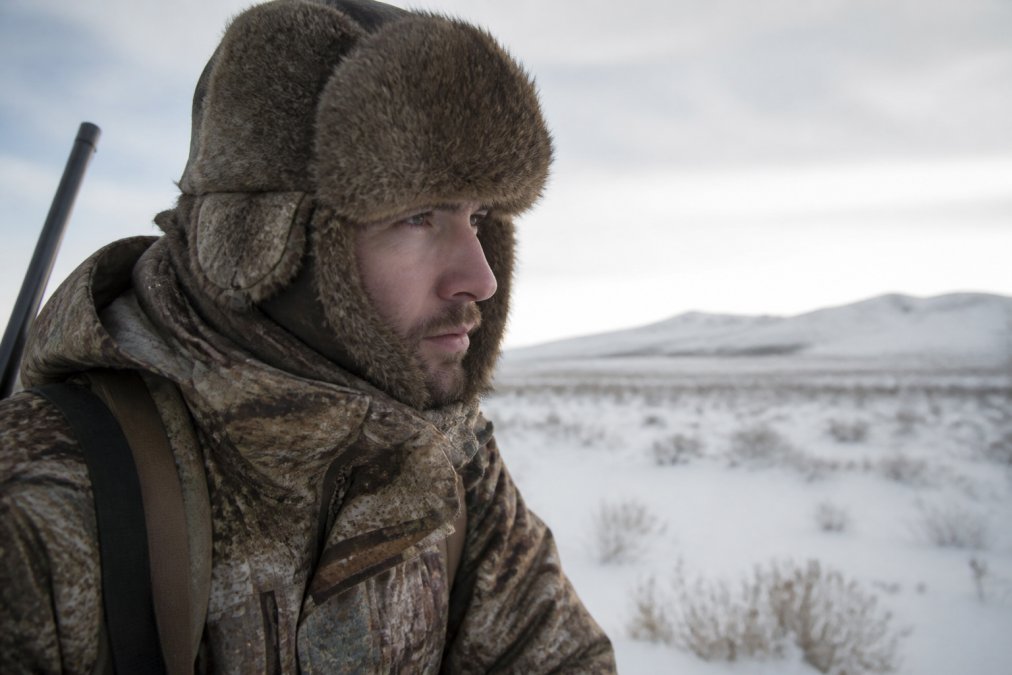
 listicle
Winter Hunting Headwear for Extreme Cold
Table of Contents
- What Makes Winter Hunting Headwear Effective in Extreme Cold
- Best Fur Hats for Hunting in Sub-Zero Temperatures
- How to Layer Hunting Headwear for Extreme Cold
- Visibility and Safety Features You Cannot Ignore
- Maintaining Artisanal Fur Accessories Through the Season
- Field-Tested Headwear for Extreme Conditions
- Frequently Asked Questions
Last Updated: September 24, 2026
What Makes Winter Hunting Headwear Effective in Extreme Cold
Winter hunting headwear performs in extreme cold when it combines three critical functions: thermal regulation, windproofing, and moisture management. The best winter hunting headwear doesn't just keep your head warm, it maintains core body temperature while allowing sweat to escape, prevents wind from penetrating to your scalp, and stays functional in sub-zero conditions where most materials fail.
Thermal regulation and insulation types
Effective thermal regulation depends on the insulation layer closest to your head. Natural fur provides superior heat retention compared to synthetic alternatives because it traps air in irregular pockets, creating multiple micro-chambers that resist heat loss. The density of the fur matters enormously, denser materials hold warmth longer but can restrict airflow.
Synthetic insulation materials like polyester and acrylic offer consistent performance but require thicker layers to match the warmth of thinner fur. The trade-off is weight: synthetic alternatives are lighter, while natural fur provides equivalent warmth in a thinner profile. For extreme cold hunting, where every ounce matters and your headwear stays on for hours, this density advantage becomes critical.
Temperature rating is a useful benchmark, though it's not standardized across manufacturers. A headwear piece rated for sub-zero temperatures should maintain core head warmth when ambient conditions drop below freezing. The key is understanding how insulation performs when wet, fur retains some insulating properties even when damp, while many synthetics lose effectiveness rapidly.
Windproofing and moisture management
Wind chill accelerates heat loss from exposed skin. A windproof membrane or densely woven outer layer reduces the wind chill effect by blocking direct air penetration. The best winter hunting headwear combines a windproof barrier on the outside with moisture-wicking material underneath to manage perspiration.
Moisture management separates adequate headwear from field-tested gear. When you're active, hiking to your hunting spot, setting up, or moving between locations, your scalp generates sweat. If that moisture stays trapped against your skin, it creates a cooling effect that undermines the insulation. Quality winter hunting headwear uses a moisture-wicking inner layer that pulls sweat away from skin while the outer layer sheds precipitation and blocks wind.
Water-repellent treatments on the outer surface prevent snow and rain from soaking through. These treatments degrade over time, especially with regular field use, so maintenance matters for durability.
Best Fur Hats for Hunting in Sub-Zero Temperatures
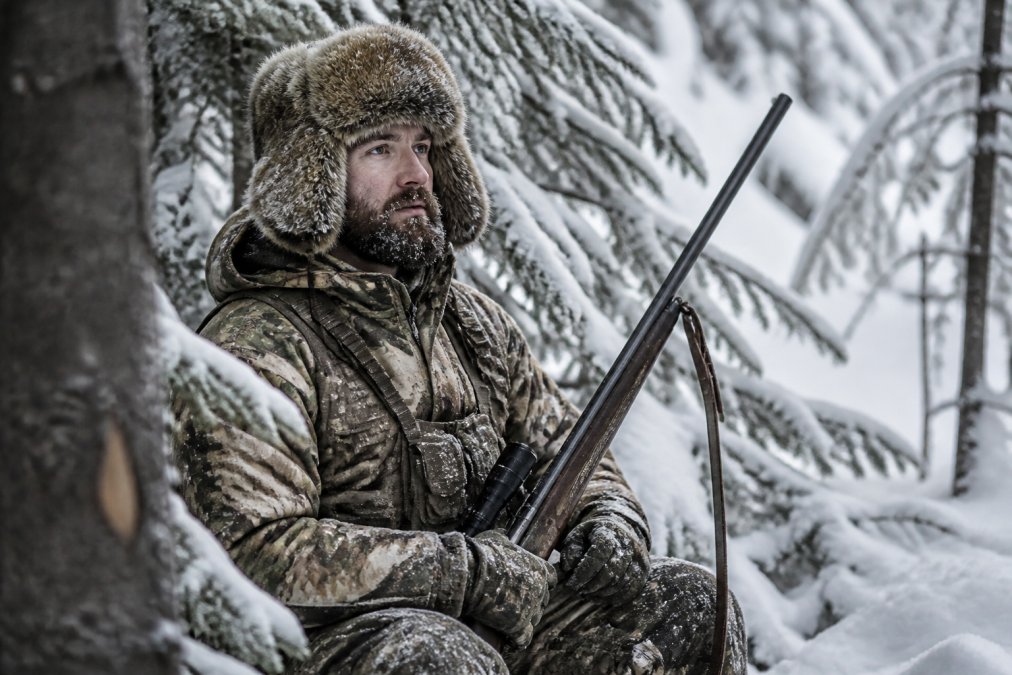
Fur hats outperform synthetic alternatives in extreme cold because natural fur combines superior insulation density with natural moisture management. Fur fibers have microscopic scales that shed water while the dense structure traps warmth effectively. When temperatures drop below zero, this performance gap becomes measurable, hunters report that fur hats maintain warmth longer than synthetic equivalents of similar weight.
Why fur outperforms synthetic materials
Natural fur achieves thermal efficiency through its inherent structure. Each fur fiber contains air pockets that resist heat transfer. This is why fur has been the standard for cold-weather headwear for centuries, the material works at the molecular level to preserve body heat.
Synthetic fibers, while consistent and easier to care for, require denser packing to match fur's insulation value. This added bulk makes synthetic hats heavier and less comfortable during extended wear. Fur also maintains insulating properties even when slightly damp, a critical advantage in hunting conditions where you're moving between different temperatures and humidity levels.
Durability differs significantly between materials. Quality fur, properly maintained, lasts multiple seasons. Synthetic materials compress over time, losing loft and insulating capacity. For hunters investing in gear they'll use season after season, fur represents better long-term value despite higher initial cost.
Ear protection and coverage requirements
Ears are the first extremity to suffer frostbite in extreme cold. Effective winter hunting headwear covers ears completely, protecting them from direct wind exposure. Ear flaps that fold down provide adjustable coverage, you can expose ears during active movement to prevent overheating, then cover them fully during stationary hunting periods.
The material covering ears should be as dense as the crown insulation. Thin ear coverage becomes a weak point where cold penetrates. Look for hats where ear flaps are lined with the same quality insulation as the main body, not cheaper materials. Some designs use articulated ear flaps that angle to block wind from multiple directions while maintaining peripheral hearing for detecting game movement.
Hearing protection compatibility matters for modern hunters. Many ear flaps can accommodate electronic hearing protection devices underneath without compromising the seal. This dual function, thermal protection plus hearing enhancement, makes it worth testing your headwear with your hearing protection before the season.
Fit, adjustability, and peripheral vision
A loose-fitting hat allows cold air to circulate underneath, defeating the insulation. Conversely, a hat that's too tight restricts blood flow to your scalp and becomes uncomfortable during long hours in the field. The ideal fit is snug but not restrictive, with the brim positioned to shield eyes from wind and snow without blocking your line of sight to game.
Adjustability features like chin straps or interior sizing bands let you dial in the fit as you layer clothing underneath. Many hunters wear a thin base layer under their hunting hat, then add the main insulated hat. Adjustable sizing accommodates this layering approach.
Peripheral vision remains critical for hunting success. A hat with a low profile and minimal brim extension preserves your sight lines while protecting your face. Some designs use a shortened brim that covers the forehead and temples without extending far enough to obstruct side vision. This balance between protection and functionality separates practical hunting headwear from general cold-weather designs.
How to Layer Hunting Headwear for Extreme Cold
Layering your head and neck region creates redundancy in thermal protection. The base layer manages moisture, the middle layer provides insulation, and the outer layer blocks wind and precipitation. This system allows you to adjust warmth as activity levels change throughout your hunt.
Layering systems for sub-zero conditions
Start with a moisture-wicking base layer directly against your scalp. Merino wool or synthetic blends pull sweat away from skin and maintain insulation even when damp. This base layer should be thin enough to fit comfortably under your main headwear without creating excessive bulk.
The middle insulation layer, your primary winter hunting headwear, provides the bulk of thermal protection. Whether you choose fur or high-quality synthetic, this is where the majority of heat retention happens. The thickness and density of this layer determine how effectively you'll stay warm in extreme conditions.
The outer wind and weather layer protects the insulation underneath.
Balancing breathability with heat retention
The challenge in extreme cold is preventing overheating during active movement while maintaining warmth during stationary periods. This is where adjustable components shine, ear flaps you can fold up, removable neck gaiters, and ventilation options that let you regulate temperature without removing your hat.
Visibility and Safety Features You Cannot Ignore
Blaze orange visibility is non-negotiable for hunting safety. Your headwear must incorporate blaze orange in a way that's visible from multiple angles, not just from above or behind. Many quality hunting hats integrate blaze orange panels or trim that meets visibility requirements while maintaining the functionality and warmth of the design.
Blaze orange requirements and compliance
Blaze orange requirements vary by hunting type and location. Upland game hunting typically requires blaze orange on your head or upper body. Waterfowl and some specialty hunts have different standards. Check your local regulations before the season, as requirements change by game type and sometimes by specific management area.
Compatibility with optics and hearing protection
Your hunting headwear must work with your binoculars, rifle scope, and hearing protection without creating gaps or pressure points. A hat that sits too high on your head can interfere with scope eye relief. A brim that's too wide can obstruct binocular positioning.
Maintaining Artisanal Fur Accessories Through the Season
Quality fur headwear requires proper care to maintain performance and durability. Regular maintenance prevents matting, preserves water repellency, and extends the life of your investment.
Care for technical fibers and natural materials
Brush your fur hat gently after each use, stroking in the direction the fur grows. This removes dust, debris, and any matted areas before they set permanently. Use a soft-bristled brush designed for fur, stiff brushes can damage the fibers.
Durability in harsh field environments
Extreme cold doesn't damage fur, but abrasion does. Avoid dragging your hat across rough surfaces or storing it where it contacts sharp objects. The repeated friction of wearing a hat for hours in the field is normal wear, this won't damage quality fur. Intentional rough handling will.
Field-Tested Headwear for Extreme Conditions
The most reliable winter hunting headwear comes from manufacturers with genuine field experience. Campbell Fine Furs creates artisanal fur hats designed specifically for hunters operating in extreme cold. Their designs combine traditional craftsmanship with practical features that address real hunting challenges, not theoretical cold-weather scenarios.
Frequently Asked Questions
What features should you look for in extreme cold hunting headwear?
Prioritize thermal regulation, windproof membranes, and moisture-wicking linings. Look for ear coverage that doesn't obstruct hearing, blaze orange visibility elements, and a secure fit that won't shift during movement. Fur materials provide superior heat retention compared to synthetics, while articulated designs allow compatibility with optics and hearing protection gear.
Why is fur considered superior for extreme cold hunting gear?
Fur naturally traps air within its structure, creating multiple insulation layers that retain body heat more effectively than synthetic alternatives. Fur maintains its insulating properties even when damp, resists wind penetration better, and provides longer-lasting durability in harsh field conditions. Quality artisanal fur accessories also develop character over time rather than degrading.
How do you layer headwear for sub-zero hunting temperatures?
Start with a moisture-wicking base layer that pulls sweat away from skin. Add a fleece lining or synthetic mid-layer for breathability, then top with a windproof fur hat or balaclava. This system prevents moisture buildup while maintaining heat retention. Ensure each layer allows proper fit without excessive compression, which reduces insulation effectiveness.
How do you maintain high-quality fur hunting accessories?
Store fur items in cool, dry conditions away from direct sunlight. Brush gently with a soft-bristled brush to maintain loft and remove debris. Avoid machine washing; instead, spot-clean with mild soap and cool water. Allow air drying completely before storage. Professional cleaning once yearly extends durability significantly, especially after heavy field use in extreme conditions.