 how-to
How to Prevent Fur Shedding: A Complete Care Guide
Table of Contents
- Why Fur Shedding Happens and What It Tells You
- How to Brush Fur Accessories Without Damaging Them
- How to Store Fur Coats to Prevent Shedding and Damage
- Daily Habits That Prevent Fur Shedding Year-Round
- Professional Fur Cleaning Services: When and Why to Use Them
- Breed-Specific and Material-Specific Shedding Management
- How to Prevent Fur Shedding on Furniture and Around the Home
- Frequently Asked Questions
Last Updated: August 27, 2026
Fur shedding is one of the most common frustrations among owners of quality fur accessories and apparel. At Campbell Fine Furs, we craft artisanal fur hats, scarves, mittens, and home goods that are built to last, which means we've also learned exactly what causes fur to shed prematurely and how to stop it. This guide covers how to prevent fur shedding across grooming, storage, daily wear, and home maintenance. The core argument is simple: most fur shedding is preventable. It is not an inevitable feature of natural fur, but almost always the result of poor handling, incorrect storage, or the wrong cleaning approach.
Why Fur Shedding Happens and What It Tells You
Fur shedding happens when hair follicles in a pelt lose their grip on the hide or base material, releasing dead hair. In high-quality, properly tanned fur, this process is minimal. In poorly processed or damaged fur, it can be relentless.
Normal Shedding vs. Excessive Hair Loss
Normal shedding means finding a few loose hairs after wearing or brushing a fur piece. Excessive hair loss means visible thinning, bald patches, or a constant trail of fur left on furniture and clothing. Excessive shedding is a red flag that typically points to poor tanning, exposure to damaging conditions, or incorrect maintenance.
Common Causes: Dryness, Handling, and Environmental Factors
The biggest culprits behind accelerated fur shedding are dryness and friction. Natural fur needs baseline moisture in the hide to keep hair anchored. When the hide dries out, the bond between hair shaft and follicle weakens.
Other common causes include rubbing against rough surfaces, direct sunlight exposure, humidity swings, contact with perfumes and chemical cleaners, and compression in tight storage. According to Smithsonian Institution's textile conservation guidelines, natural protein-based fibers including animal fur are highly sensitive to light, heat, and humidity fluctuations that accelerate structural breakdown and hair loss.
How to Brush Fur Accessories Without Damaging Them
Brushing is the single most important maintenance habit for preventing fur shedding. Done correctly, it removes dead hair before it sheds on its own. Done incorrectly, it tears out anchored hair and accelerates the problem.
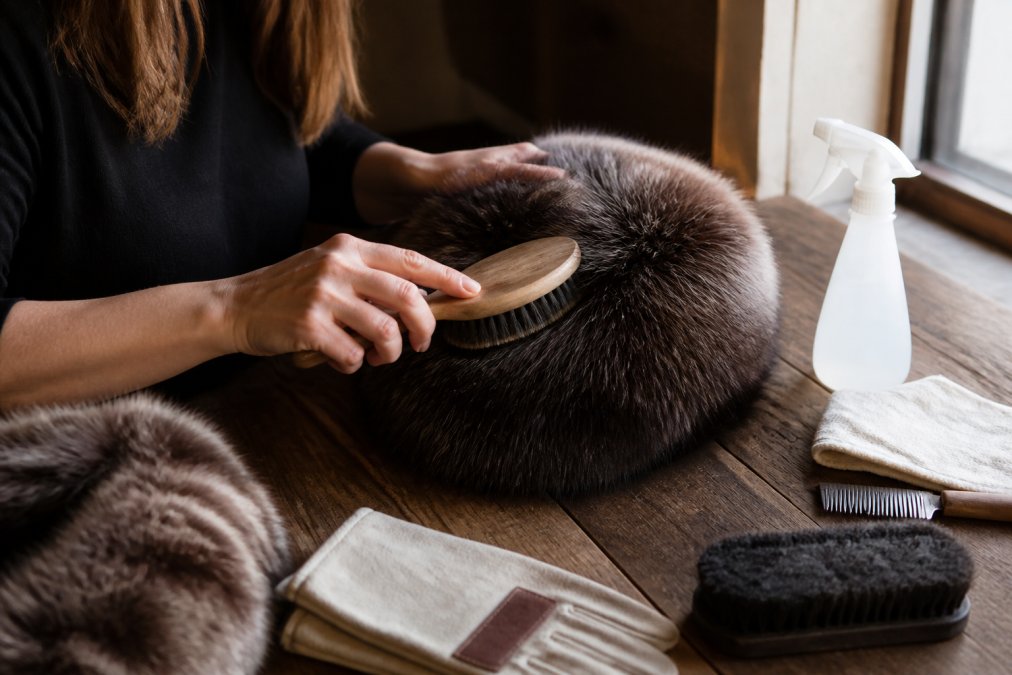
Choosing the Right Grooming Tool for Your Fur Type
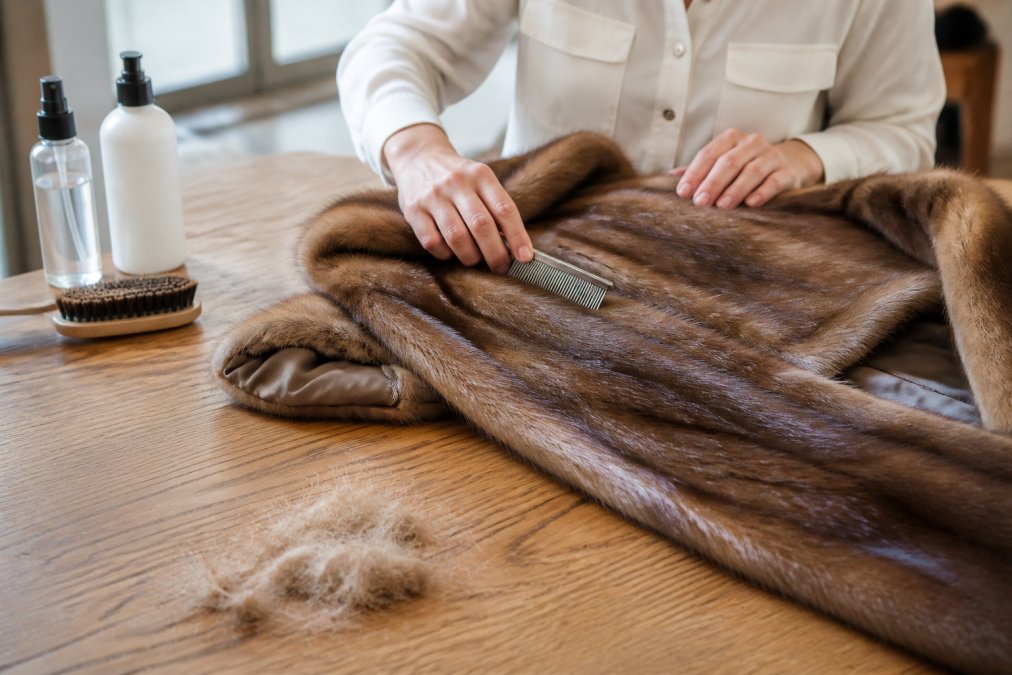
The right grooming tool depends on fur density and hair length. For short, dense fur like beaver or sheared mink, use a soft-bristle slicker brush or fine-toothed comb. For long, flowing fur like fox or raccoon, use a wide-toothed comb or deshedding tool with widely spaced tines. For curly or textured fur like Persian lamb, use only a very soft natural-bristle brush.
Step-by-Step Brushing Routine for Hats, Scarves, and Mittens
Follow this routine after each wear and before storage: shake the piece gently, lay it flat on a clean surface, brush in the direction of fur growth using short, light strokes, pay extra attention to seam edges, and allow the piece to air out for 15-30 minutes before storing.
How to Store Fur Coats to Prevent Shedding and Damage
The majority of long-term fur shedding problems originate in storage. Proper storage conditions are critical.

Temperature, Humidity, and Airflow Requirements
Ideal storage conditions for natural fur are 45-55°F (7-13°C), 45-55% relative humidity, complete darkness, and moderate consistent airflow. For long-term seasonal storage, many fur owners use professional cold storage vaults. For everyday between-season storage at home, a cool interior closet away from exterior walls works reasonably well if humidity stays stable.
| Condition | Recommended Range | Why It Matters |
|---|---|---|
| Temperature | 45-55°F (7-13°C) | Slows hide degradation and dryness |
| Relative Humidity | 45-55% | Prevents brittleness and mold |
| Light Exposure | None (dark storage) | UV light bleaches and weakens hide |
| Airflow | Moderate, consistent | Prevents moisture buildup and odor |
What to Avoid: Cedar, Plastic Bags, and Direct Sunlight
Cedar closets and mothballs release oils and chemicals that dry out natural hides. Plastic bags and sealed containers trap moisture and prevent airflow, causing the hide to dry and crack. Direct sunlight fades coat texture, weakens hair follicles, and dries the hide irreversibly.
:::warning Never hang a fur coat on a wire hanger. Wire concentrates weight at a single point, distorting the hide and creating stress fractures. Use wide, padded hangers only.
Daily Habits That Prevent Fur Shedding Year-Round
Rotate your pieces to prevent compression and repeated friction patterns. Avoid contact with rough surfaces like seatbelts and backpack straps. Apply perfume and hairspray before putting on fur accessories. Air pieces after each wear for 20-30 minutes to allow moisture from body heat to evaporate naturally. According to the Textile Society of America's fiber care resources, protein-based natural fibers are most vulnerable to degradation during the combination of heat and moisture that occurs immediately after wear.
Professional Fur Cleaning Services: When and Why to Use Them
Professional fur cleaning uses specialized methods like sawdust-based cleaning, where fine hardwood sawdust is tumbled through fur to absorb oils, dirt, and odors without introducing water or chemical solvents that damage the hide. Most fur care professionals recommend a full professional cleaning once per year at the end of the wearing season before long-term storage.
Signs that a piece needs professional attention sooner include visible matting, persistent odor, stiff or tacky patches on the hide side, or noticeably increased shedding. Always use a cleaner who specializes specifically in fur and leather, not a standard dry cleaner whose solvents strip natural oils and cause the hide to stiffen.
Breed-Specific and Material-Specific Shedding Management
Not all fur sheds the same way. Mink is one of the densest furs and sheds very little under normal conditions; when it does shed excessively, focus on storage humidity. Fox and coyote have long guard hairs over a thick undercoat; use a deshedding tool lightly on the undercoat every few weeks during heavy wear seasons. Rabbit fur is the most delicate and sheds most readily, requiring the gentlest handling and avoidance of rain or heavy snow. Sheared furs have blunt-tipped hairs more prone to surface shedding and benefit from regular light brushing with a soft slicker brush. As noted in the American Fur Industry's care and handling standards, different fur types require materially different care protocols.
How to Prevent Fur Shedding on Furniture and Around the Home
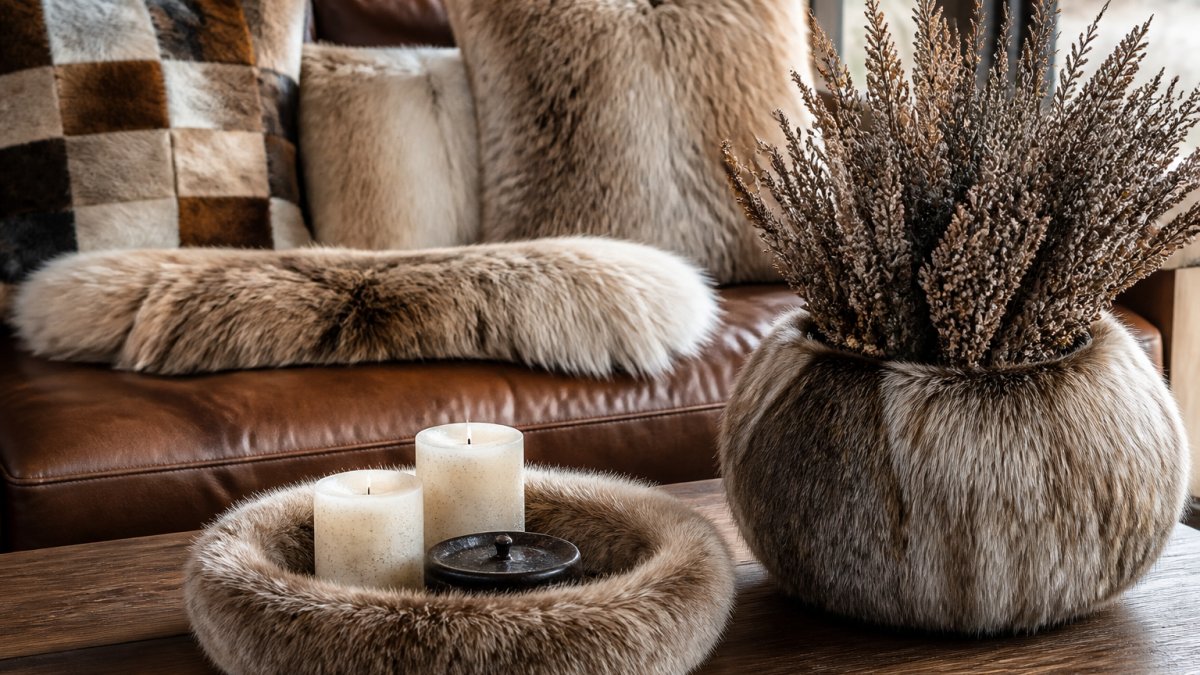
Use smooth-surface furniture covers like cotton sateen to create a barrier that collects loose hairs before they embed in upholstery. HEPA air purifiers capture airborne fur dander and loose hairs before they settle on surfaces. Increase vacuuming frequency during seasonal transitions when shedding increases. For embedded fur hairs, a slightly damp rubber glove dragged across the surface lifts hairs more effectively than lint rollers. Store fur pieces in dedicated, low-traffic areas to minimize cumulative friction from handling and compression.
Preventing fur shedding comes down to consistent care across three areas: how you handle pieces during wear, how you store them between uses, and how often you invest in professional maintenance. Campbell Fine Furs designs its artisanal fur hats, scarves, mittens, and home goods to hold up beautifully over years of use. Apply the protocols in this guide to keep them looking their best season after season.
Frequently Asked Questions
Q: Why is my fur coat shedding so much?
A: Fur coats shed most often because of low humidity, improper storage, or rough handling. When the natural oils in the pelt dry out, hair follicles weaken and dead hair releases more easily. Storing a coat in a plastic bag, exposing it to direct sunlight, or folding it instead of hanging it all accelerate shedding. Professional fur cleaning and conditioning treatments can help restore moisture and significantly reduce excessive hair loss.
Q: Is it normal for new fur accessories to shed?
A: A small amount of shedding from new fur accessories can be normal. Loose guard hairs may dislodge during the first few wears as the piece settles. However, heavy or persistent shedding from a new item can signal poor-quality construction or improper tanning. Well-crafted, properly finished fur accessories from reputable makers shed minimally after the first few uses and hold their coat texture season after season.
Q: What is the best way to store fur to prevent damage and shedding?
A: Store fur in a cool, dark space with consistent airflow and humidity between 45 and 55 percent. Hang coats on wide, padded hangers inside breathable cloth garment bags, never plastic. Keep fur away from cedar blocks, mothballs, and direct heat sources, all of which dry out the pelt and weaken hair follicles. For long-term storage across warmer months, a professional fur storage vault maintains the right temperature and humidity automatically.
Q: Can professional cleaning help stop fur shedding?
A: Yes. Professional fur cleaning services do more than remove dirt, they recondition the pelt with specialized oils that restore moisture to the leather backing. This strengthens the connection between hair follicles and the hide, directly reducing shedding. Most fur care specialists recommend professional cleaning once a year. Attempting to wash fur at home with standard detergents strips these natural oils and typically worsens shedding rather than correcting it.
This article was written using GrandRanker