 listicle
Best Fur Home Decor 2026: Trends & Styling
Table of Contents
- Best Fur Blankets for Rustic Decor
- Biophilic Design and Natural Elements
- How to Style Fur Pillows in Living Rooms
- Textured Textiles and Layered Comfort
- Ethical Sourcing and Synthetic Alternatives
- Caring for Your Fur Home Decor Investment
- Frequently Asked Questions
Warm Neutrals and Earth Tones With Fur Accents
The shift toward warm minimalism in 2026 has redefined how homeowners approach color palettes. Rather than stark whites and cool grays, designers are embracing creams, warm beiges, soft taupes, and muted terracottas. Fur accents amplify this aesthetic by adding depth and tactile richness without overwhelming the space.
When incorporating fur home decor into a warm neutral scheme, the goal is layering rather than statement-making. A cream-colored sofa paired with a subtle fur throw in champagne or natural white creates visual interest through texture alone. Earth-tone walls in warm greige or soft ochre provide the perfect backdrop for fur pieces in cognac, chocolate, or caramel shades. These combinations feel sophisticated because they rely on material contrast, not color clash.
Campbell Fine Furs specializes in artisanal pieces that complement this aesthetic naturally. Their premium fur blankets and accessories work within warm palettes because they're crafted to enhance, not dominate, a room's color story. Layering different neutral shades creates what interior designers call "aesthetic cohesion", a feeling that every element belongs together.
Best Fur Blankets for Rustic Decor
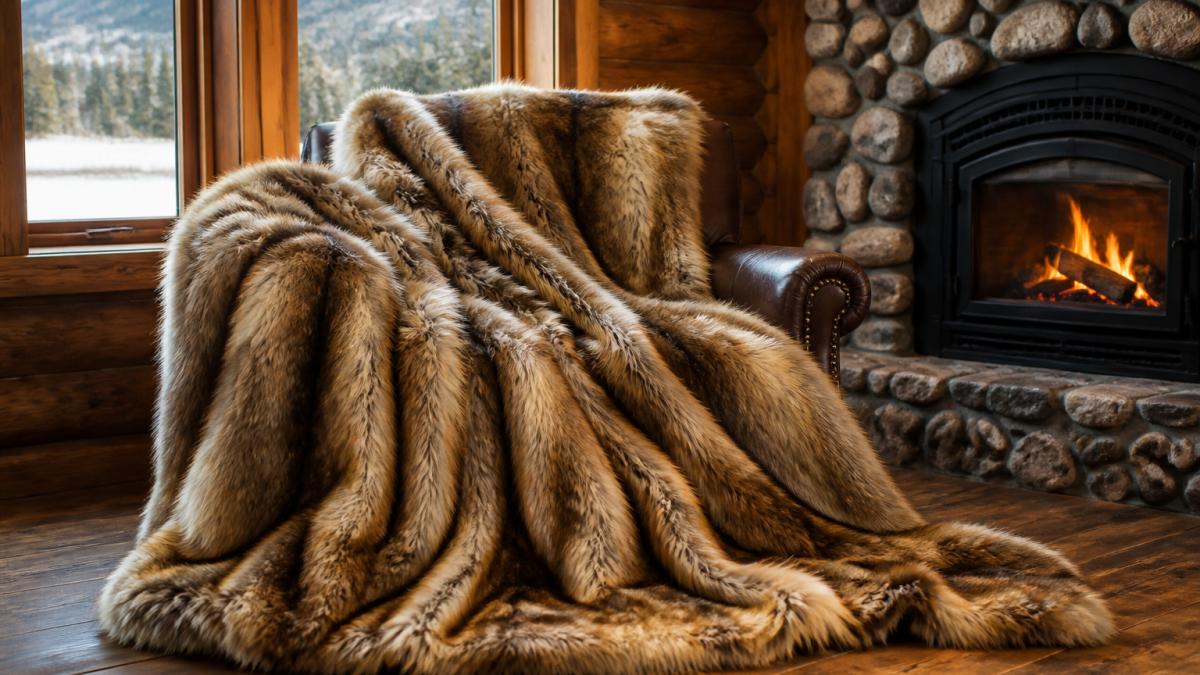
Rustic design thrives on authenticity and natural materials, making fur blankets an ideal choice for this aesthetic. The best fur blankets for rustic decor are those that appear to have been sourced from nature itself, with visible texture, color variation, and an unpretentious quality suggesting longevity and real-world use.
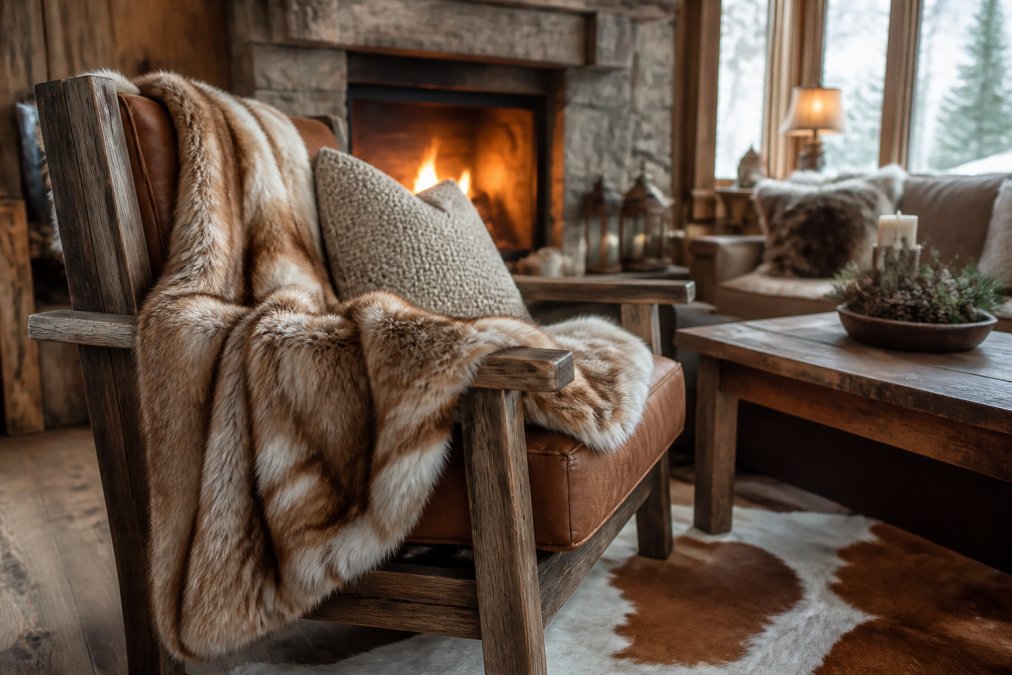
In rustic interiors, fur blankets function as both functional warmth and design statement. Drape one over a leather wingback chair, across a reclaimed wood bed frame, or layered on a stone hearth. The contrast between the softness of fur and the roughness of aged wood creates visual tension that feels intentional. Size matters in rustic settings, an oversized fur throw that spills generously across furniture suggests abundance and comfort rather than precious minimalism.
When selecting fur blankets for rustic decor, choose pieces that work with existing materials in the space. If your cabin features stone fireplaces and heavy timber, select fur in earth tones, browns, grays, and warm blacks that echo these elements. The goal is making the fur feel like a natural extension of the rustic environment.
Biophilic Design and Natural Elements
Biophilic design, the practice of bringing nature into interior spaces, has become central to how homeowners think about wellness and aesthetics. Fur home decor fits naturally into biophilic design because it literally brings animal-derived materials into the home, creating tactile reminders of nature.
The integration of fur with other natural elements amplifies biophilic benefits. Pair a fur throw with live-edge wood furniture, stone accents, and natural fiber textiles like jute and linen. Add plants, both living greenery and dried botanicals, to complete the nature-inspired narrative. Research on biophilic design principles shows that spaces combining multiple natural materials and textures create stronger psychological responses related to calm and belonging.
The color palette for biophilic spaces naturally aligns with warm neutrals and earth tones. Fur in cream, brown, gray, and taupe shades complement the greens, warm woods, and stone textures typical of nature-inspired interiors. This cohesion happens because all these materials come from the natural world and share visual DNA that makes combinations feel inherently balanced.
How to Style Fur Pillows in Living Rooms
Fur pillows are among the most versatile fur home decor pieces, capable of transforming a living room's visual weight and tactile appeal. The key to styling them effectively is understanding proportion, placement, and how they interact with other textiles.
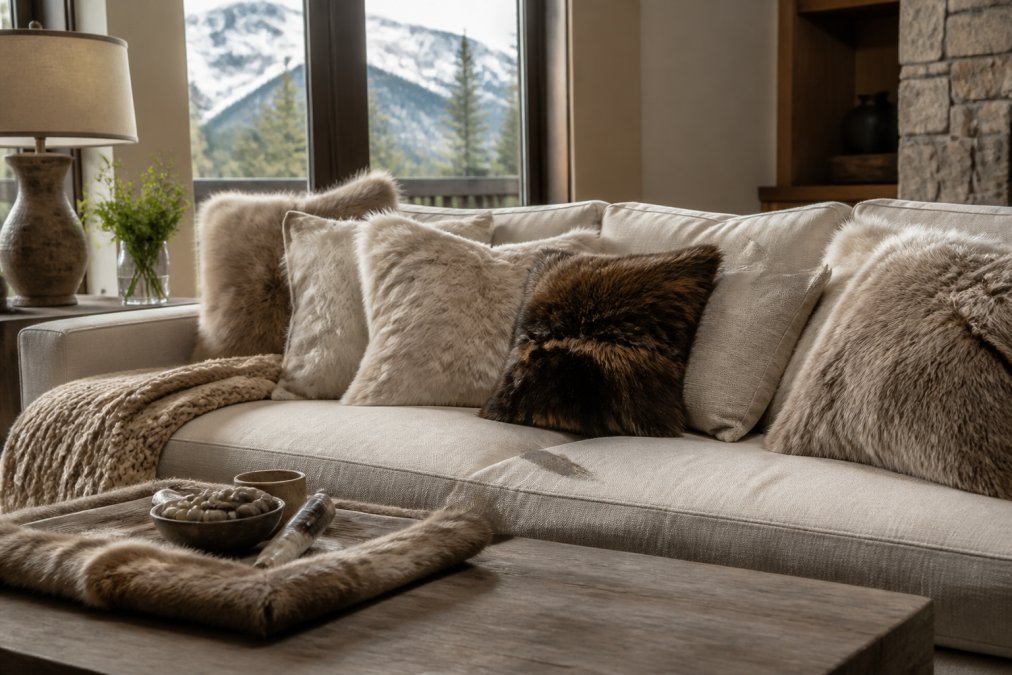
Start with proportion. A single oversized fur pillow makes a statement; multiple smaller ones create visual rhythm. On a standard sofa, try pairing one large fur pillow (24x24 inches or larger) with two smaller pillows (16x16 inches) in complementary textiles. This creates "layered comfort," the sense that you could sink into the sofa and never leave.
Placement matters as much as selection. Fur pillows work best in corner positions or at sofa ends, where they create visual anchors. Placing them directly center can feel formal or staged; corners feel more organic and inviting. Texture mixing is essential, never use all fur pillows on one sofa. Instead, alternate fur with linen, wool, and cotton textiles to prevent the space from feeling overwhelming.
Color coordination should follow the warm neutral principle. If your fur pillows are in champagne or cream, pair them with pillows in warm whites, soft grays, or pale taupes. If working with deeper fur tones, complement with charcoal, warm gray, or muted terracotta. Campbell Fine Furs offers pillow options crafted to function as design elements that hold their shape and appearance through regular use.
Textured Textiles and Layered Comfort
The 2026 interior design landscape prioritizes "textile richness", the strategic layering of materials with different weights, finishes, and tactile qualities. Fur home decor serves as a key player in this layering strategy because of its unmatched textural presence.
Layered comfort doesn't mean chaos. A living room might feature a linen sofa, a fur throw blanket, wool area rug, velvet pillows, and linen curtains. Each material brings different visual and tactile qualities, unified through a cohesive color palette and intentional placement. Fur works particularly well when layered with other high-touch textiles like mohair, velvet, or chunky knit, creating textural contrast that feels luxurious rather than busy.
When layering textiles, consider both visual weight and physical weight. Fur adds significant visual weight because of its texture and density, so balance it with lighter materials. A room with a fur throw, velvet pillows, and a wool rug might feel heavy unless lighter textiles like linen, cotton, or raw silk are introduced to create breathing room. This balance creates the lived-in aesthetic that resonates in 2026.
Ethical Sourcing and Synthetic Alternatives
The conversation around fur home decor in 2026 necessarily includes questions about sourcing, sustainability, and ethical production. Homeowners increasingly want to understand where their materials come from and how they're produced.
Natural fur sourcing has evolved significantly. Reputable producers now prioritize transparency about where materials originate and how animals are treated. Campbell Fine Furs emphasizes artisanal craftsmanship and quality materials, reflecting a broader industry movement toward accountability. When evaluating fur home decor, look for producers who can articulate their sourcing practices clearly.
Synthetic fur alternatives have improved dramatically in recent years. Modern faux fur can replicate the appearance, weight, and feel of natural fur while eliminating animal welfare concerns. These alternatives work particularly well in living rooms and bedrooms where the piece won't experience heavy outdoor wear. The trade-off is typically durability, natural fur generally outlasts synthetic options.
The choice between natural and synthetic fur is personal and values-driven. What matters is making an informed decision based on available information. When evaluating ethical sourcing, ask specific questions: Where does this material originate? What certifications or standards does the producer follow? How is the product manufactured and finished?
Caring for Your Fur Home Decor Investment
Proper care extends the life of fur home decor significantly, protecting your investment and maintaining the aesthetic qualities that make these pieces valuable. Fur requires different care than standard textiles, but the process isn't complicated.
Regular maintenance is the foundation of fur care. Gently brush fur pieces weekly using a soft-bristled brush or specialized fur comb. This removes dust, prevents matting, and maintains the natural loft and appearance of the material. Brush in the direction of the fur growth using light pressure.
Spot cleaning addresses minor stains before they set. For fresh spills, blot immediately with a clean, dry cloth, don't rub. For more stubborn marks, use a slightly damp cloth with cool water and minimal pressure. Avoid harsh chemicals or standard upholstery cleaners, which can damage fur.
Professional cleaning should happen every 1-2 years for regularly used pieces. Professional fur cleaners have specialized equipment and expertise that home cleaning cannot replicate. This investment protects the material and prevents gradual degradation.
Storage requires attention if you're rotating seasonal pieces. Store fur in a cool, dry place away from direct sunlight. Never store fur in plastic bags, which trap moisture and encourage mold growth. Use breathable cloth storage bags instead. Maintain moderate humidity levels (around 40-50%) and consistent temperature. Avoid exposing fur to direct heat sources or sunlight, which can dry out the material and cause shrinkage.
Incorporating fur home decor into your living space requires understanding both the aesthetic trends shaping 2026 design and the practical considerations of selecting and maintaining quality pieces. The shift toward warm minimalism, biophilic design, and textured interiors has created ideal conditions for fur to function as a sophisticated design element.
The best approach combines informed sourcing, whether you choose natural fur from transparent producers or high-quality synthetics, with proper care and intentional styling. Campbell Fine Furs provides artisanal pieces designed to serve as lasting investments in your home's comfort and aesthetic. Start by evaluating your existing color palette and texture profile, then select fur home decor pieces that enhance rather than dominate your space.
Frequently Asked Questions
Q: Are fur blankets still in style for 2026 interior design?
A: Yes. Fur home decor remains a strong trend in 2026, especially when styled with warm neutrals, earth tones, and natural elements. The key is balancing fur pieces with modern, minimalist aesthetics rather than using them as standalone statement items. Layering fur blankets with linen or wool creates a lived-in, curated look that feels current and intentional.
Q: How do I incorporate fur accents into modern home decor?
A: Pair fur pieces with clean lines and neutral color palettes. Use a fur blanket as a textural accent on a minimalist sofa, or layer fur pillows with solid-colored cushions in cream, gray, or soft taupe. Avoid over-styling; one or two well-chosen fur pieces per room maintains sophistication. Combine with sculptural lighting and bespoke furniture for functional luxury that feels intentional.
Q: What is the difference between faux and authentic fur for home styling?
A: Authentic fur offers natural insulation, and a luxurious feel that lasts with proper care. Faux fur provides an ethical alternative, requires less maintenance, and works well for renters or those concerned about animal sourcing. Both can be styled effectively; authentic fur conveys heritage and craftsmanship, while faux fur aligns with sustainable design values. Choose based on your lifestyle and values.
Q: How do I care for artisanal fur home decor items?
A: Brush gently with a soft-bristled brush weekly to prevent matting and maintain texture. Vacuum on low suction or use a lint roller for surface cleaning. Avoid direct sunlight and heat sources, which can fade or damage fur. For deep cleaning, consult a professional furrier. Store in a cool, dry place during warmer months. Proper care extends the life of your pieces significantly.
This article was written using GrandRanker