 listicle
Durable Fur Mittens for Outdoor: 2026 Buying Guide
Table of Contents
- What Makes Fur Mittens Durable for Outdoor Use?
- Beaver Fur Mittens with Leather Palms: The Gold Standard
- Comparing the Warmest Fur for Winter Gloves
- Performance by Activity: Mushing, Ice Fishing, and Snowmobiling
- Cuff Styles and Liners: Gauntlet vs. Standard Fit
- How to Clean Fur Mittens and Extend Their Lifespan
- Final Verdict: Choosing Your Durable Fur Mittens
- Frequently Asked Questions
Last Updated: September 9, 2026
What Makes Fur Mittens Durable for Outdoor Use?
When the temperature drops below zero and the wind starts cutting, a pair of durable fur mittens for outdoor work becomes the difference between a productive day and a miserable one. The materials, construction, and tanning process determine whether your mittens survive one season or a decade of hard use. Durability starts with the pelt itself, not the stitching.
The most durable fur mittens share three traits: a dense, well-tanned hide that resists moisture, reinforcement at high-wear points like the palm, and secure cuff construction that keeps snow and wind out. Natural fur outperforms synthetic alternatives because the hollow guard hairs trap heat while the dense underfur provides insulation that survives compression. A common mistake is assuming all fur is equal. The reality is that the tanning process and the specific animal hide dictate how well your mittens hold up against abrasion, moisture, and extreme winter conditions.
Beaver Fur Mittens with Leather Palms: The Gold Standard
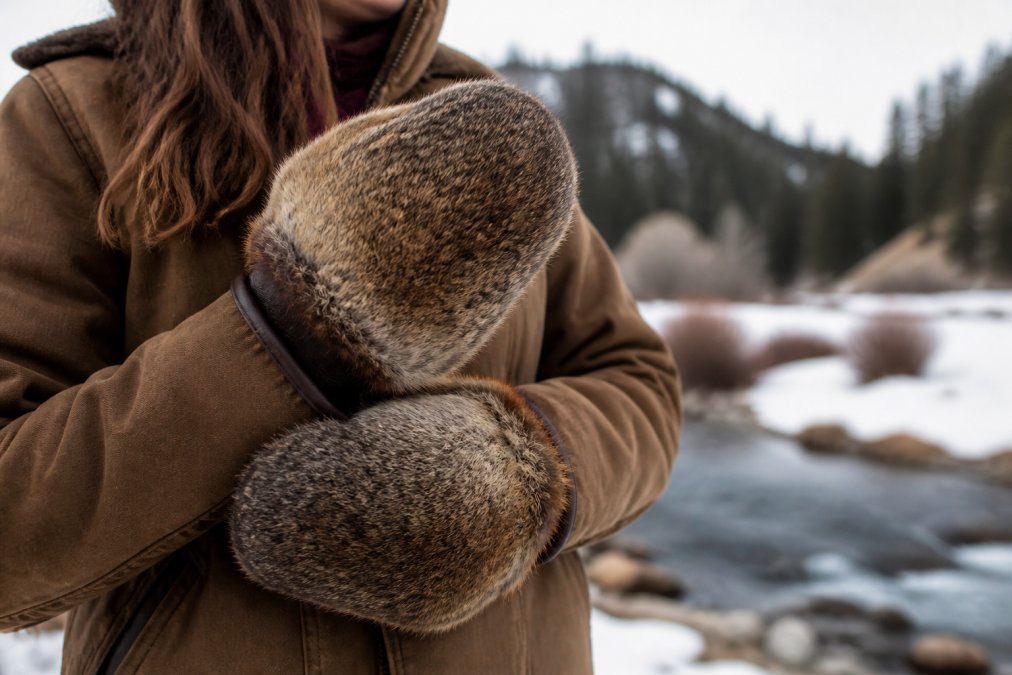
Beaver fur mittens with leather palms represent the benchmark for cold weather gear that needs to perform in the field. Beaver fur is naturally dense and water-resistant, making it superior to most other furs for wet, snowy conditions. When paired with a full-grain leather palm, you get grip and abrasion resistance where you need it most, without sacrificing the warmth of natural fur across the back of your hand.
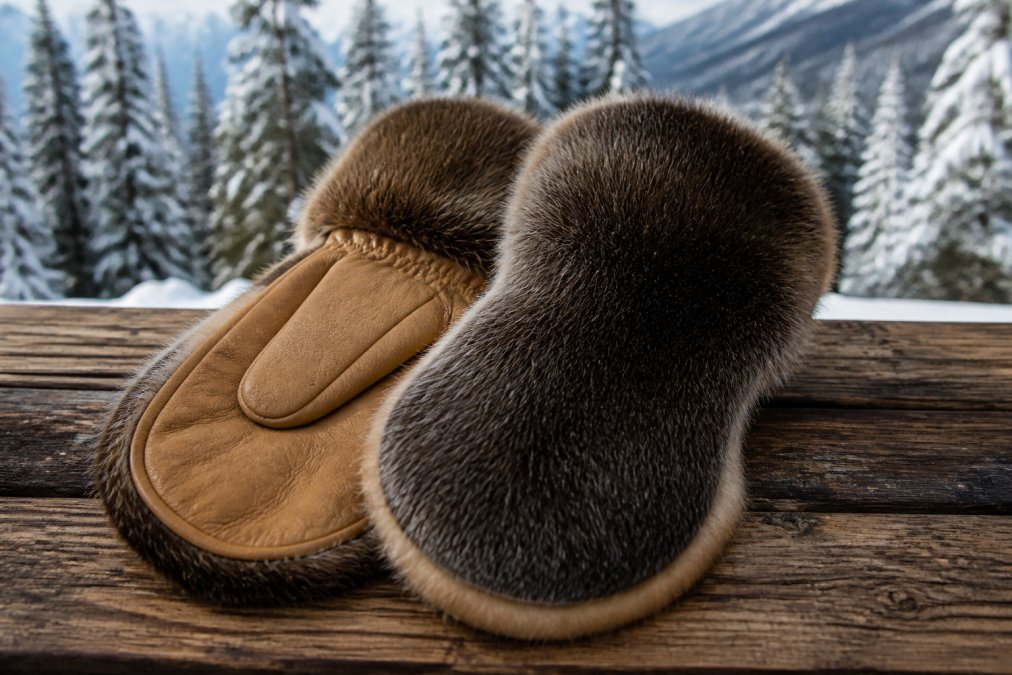
What separates quality beaver mittens from cheap imitations is the leather palm construction. Hand-stitched palms with reinforced seams handle years of gripping ski poles, dog lines, and snowmobile handles. The elk leather palm offers excellent abrasion resistance while remaining supple in cold temperatures, unlike stiff cowhide that cracks. For mushers and ice fishermen who need dexterity combined with warmth, this combination is the gold standard for a reason.
Comparing the Warmest Fur for Winter Gloves
Choosing the warmest fur isn't just about a single material; it's about understanding how the physical structure of the pelt interacts with your activity level and the environment. The primary mechanism of warmth in natural fur is the trapping of still air within the dense underfur. The hollow guard hairs, which are unique to certain species, add an extra layer of insulation by creating a thermal barrier that resists convective heat loss. However, the 'warmest' fur is rarely the 'best' fur for every task, as weight, water resistance, and abrasion resistance are equally critical for outdoor durability.
The Mechanics of Insulation: Hollow vs. Solid Hair
The most significant differentiator between fur types is the ratio of hollow to solid hair. Hollow hairs, found in species like beaver and coyote, contain air pockets that provide superior insulation per unit of weight. This is why beaver feels dense and heavy, while coyote offers similar warmth with a lighter, loftier profile. In contrast, rabbit fur is composed primarily of solid, fine hairs that collapse easily under compression. When you grip a ski pole or a dog line, the insulation in rabbit mittens compresses, creating a cold spot. Beaver and coyote, with their stiffer guard hairs, maintain their loft and insulating air layer even under pressure.
Fur Performance by Environment: Wet vs. Dry Cold
The performance of fur changes drastically based on moisture. Beaver fur has a natural water-resistant quality due to the interlocking structure of its guard hairs, which causes water to bead up and roll off. This makes it the clear winner for wet snow, freezing rain, or any activity where your hands might come into contact with moisture. Coyote, while excellent in dry, arctic cold, will absorb more moisture in wet conditions, becoming heavy and losing its loft. For dry, high-altitude or northern climates where the temperature is consistently below zero but precipitation is minimal, coyote's lighter weight and high loft offer a distinct advantage for active use.
A Technical Comparison for Outdoor Performance
The following breakdown focuses on the specific properties that affect durability and warmth in the field, moving beyond simple warmth ratings.
| Fur Type | Insulation Mechanism | Moisture Resistance | Abrasion Resistance | Best Use Case | Key Limitation |
|---|---|---|---|---|---|
| Beaver | Dense underfur with hollow guard hairs; highest warmth-to-weight ratio in wet cold. | Excellent; naturally water-resistant. | High; the dense, stiff guard hairs protect the underfur from wear. | Stationary activities in wet, extreme cold (ice fishing, snowmobiling). | Heaviest option; can feel bulky for high-dexterity tasks. |
| Coyote | Long, hollow guard hairs with a woolly underfur; excellent loft for dry cold. | Moderate; absorbs moisture, losing loft when wet. | Medium; guard hairs are less dense than beaver, prone to matting with friction. | Active use in dry, arctic conditions (mushing, backcountry skiing). | Not suitable for wet snow or slushy conditions. |
| Rabbit | Soft, solid underfur with minimal guard hairs; compresses easily. | Poor; absorbs moisture readily. | Low; fur sheds and matts quickly with friction. | Fashion or mild, dry days above 20°F. | Lacks the density and resilience for any serious outdoor work. |
The Role of the Leather Palm in Overall Warmth
It is crucial to remember that the fur on the back of the hand provides the bulk of the insulation, but the leather palm is a significant point of heat loss. A thin, low-quality leather palm will wick heat away from your hand faster than the fur can generate it. This is why the choice of palm material is as important as the fur itself. Full-grain elk or moose leather, while initially stiffer, becomes supple with use and provides a dense barrier against conductive heat loss when gripping cold metal or ice. A well-constructed leather palm is not just for grip; it is an integral part of the mitten's thermal envelope.
Performance by Activity: Mushing, Ice Fishing, and Snowmobiling
Your activity dictates which features matter most in durable fur mittens for outdoor pursuits. Mushers need wrist cinches and gauntlet styles that stay put while handling lines. Ice fishermen require maximum warmth retention during long stationary periods. Snowmobilers need weatherproof construction that blocks wind chill at speed.
For mushing, a gauntlet style with a secure wrist cinch prevents snow from entering when you reach into the dog truck or handle lines. Ice fishing demands the thickest insulation you can find, since you're sitting still for hours. Snowmobiling rewards a balance of warmth and grip, where a leather palm with natural fur backing provides control without freezing. Consider a removable liner option for versatility across activities and temperature swings.
Cuff Styles and Liners: Gauntlet vs. Standard Fit
The gauntlet style extends past the wrist and over your jacket cuff, blocking snow and wind from entering through the sleeve opening. This design suits deep snow and extreme winter conditions where every bit of insulation matters. A standard fit ends at the wrist and offers better dexterity for tasks requiring finger movement, but leaves a gap that cold air can exploit.
Removable liners add significant versatility. A merino wool or felted wool liner provides moisture-wicking and breathability, drawing sweat away from your skin while adding a layer of thermal insulation. The ability to remove and dry the liner extends the life of your mittens and keeps them fresh between uses. For most outdoor work below freezing, a gauntlet style with a removable liner is the practical choice.
How to Clean Fur Mittens and Extend Their Lifespan
A premium pair of fur mittens is a long-term investment, and the difference between a pair that lasts five seasons and one that lasts twenty often comes down to a proactive maintenance routine. The two primary components, the natural fur and the leather palm, require different care strategies. Neglecting either will compromise the mitten's integrity. The goal is not just to clean, but to restore the natural oils and suppleness that keep both the hide and the leather resilient against the punishing effects of winter.
Routine Fur Care: More Than Just Brushing
Brushing is the single most important habit for maintaining fur loft and removing abrasive particles. Use a professional fur brush or a fine-toothed metal comb, and always brush in the direction of the hair growth. This not only removes dirt and debris that can cut the hair shafts but also redistributes the natural oils from the skin to the hair tips, maintaining water resistance. For stubborn dirt or salt stains from roads, a specialized fur cleaner is recommended. Apply the cleaner to a damp cloth and gently wipe the fur, avoiding saturation. After cleaning, allow the mittens to dry naturally in a cool, well-ventilated area, away from any direct heat source.
Leather Palm Restoration: The Critical Step for Durability
The leather palm is the first point of failure on most mittens. The constant friction from gripping ropes, tools, and sled handles strips the leather of its natural oils, causing it to dry out, stiffen, and eventually crack. To prevent this, you must replenish those oils. Use a high-quality leather conditioner or a dedicated leather balm, such as those containing beeswax and neatsfoot oil. Apply a thin, even layer to the palm and allow it to absorb for several hours. For heavily used mittens, this treatment should be repeated at the beginning and end of each winter season. This simple act of re-oiling will keep the leather supple, water-resistant, and far more resistant to tearing.
Seasonal Storage and Moth Prevention
How you store your mittens from March to November is just as important as how you treat them in January. The primary threat during the off-season is the clothes moth, which is attracted to the keratin in natural fur. Before storing, ensure the mittens are completely dry. Place them in a breathable cotton or muslin bag, never plastic, which traps moisture and promotes mildew. Add a natural cedar block or a sachet of dried lavender to the storage container to deter moths without the harsh chemicals found in mothballs. Store the bag in a cool, dark, and dry place, and avoid placing heavy items on top of it, which will crush the fur and permanently flatten the guard hairs.
A Practical Maintenance Schedule
To make this manageable, follow a simple seasonal schedule:
- Monthly (In-Season): Brush the fur to remove debris and restore loft. Inspect the leather palm for signs of dryness or wear.
- Mid-Season (January): Apply a light coat of leather conditioner to the palms to replenish oils lost during the early winter months.
- End of Season (March): Perform a thorough cleaning of the fur. Condition the leather palms generously. Allow everything to dry completely.
- Off-Season (April-October): Store in a breathable bag with cedar blocks in a cool, dark location.
By adopting this proactive approach to maintenance, you are not just cleaning your mittens; you are actively preserving the structural integrity of the hide and leather, ensuring that your investment provides decades of reliable, warm service in the harshest conditions.
Final Verdict: Choosing Your Durable Fur Mittens
Selecting durable fur mittens for outdoor work comes down to matching the fur type, cuff style, and liner to your primary activity. For extreme cold and wet conditions, beaver fur with a leather palm is unmatched. For dry arctic conditions, coyote offers a lighter alternative with strong performance. The craftsmanship of the tanning process and the density of the natural fur determine how long your mittens perform.
The craftsmanship of the tanning process and the density of the natural fur determine how long your mittens perform. Whether you're mushing, ice fishing, or snowmobiling, investing in quality natural fur pays off in warmth, durability, and comfort that synthetics cannot match. Browse the full collection at Campbell Fine Furs to find mittens built for your cold weather routine. View all products and gear up for the season ahead.
Frequently Asked Questions
What is the warmest fur for winter gloves?
Beaver fur is widely considered the warmest and most durable option for winter gloves and mittens. Its dense underfur traps heat effectively, while the long guard hairs shed wind and light moisture. Beaver also outperforms synthetic fills in extreme cold because it breathes, preventing the sweat buildup that leads to cold fingers. Coyote fur offers comparable warmth with a slightly lighter weight, while rabbit is soft but far less durable for heavy outdoor use. For arctic conditions, choose beaver or coyote over other furs.
Are beaver fur mittens with leather palms better than synthetic alternatives?
Yes, for extreme winter conditions, beaver fur mittens with leather palms outperform most synthetic alternatives. The natural fur provides superior warmth retention and breathability, which keeps your hands drier and warmer during high-exertion activities like mushing or ice fishing. The leather palm, typically elk or moose hide, offers abrasion resistance and a secure grip that synthetic materials lack. While synthetic options are often cheaper, they do not match the durability or the moisture-wicking properties of a well-constructed fur mitten.
How do I clean fur mittens without damaging the leather palms?
To clean fur mittens, avoid machine washing and dry cleaning chemicals, which strip natural oils. Instead, shake them out to remove snow and debris, and use a damp cloth to spot-clean the fur. For the leather palm, use a leather conditioner periodically to prevent drying and cracking. If the fur becomes matted, gently brush it with a fur comb. Store your mittens in a cool, dry place during the off-season to protect the hide from pests and humidity.
Which fur provides the most durability for outdoor mittens?
Beaver fur provides the most durability for outdoor mittens. The pelt is dense and the guard hairs are strong, offering excellent abrasion resistance against brush, tools, and reins. When paired with a full-grain elk or moose leather palm, these mittens can withstand years of heavy use in extreme winter conditions. Coyote fur is also durable, but beaver's natural water resistance and tight fur structure make it the preferred choice for those who demand the longest lifespan from their cold weather gear.