 blog
blog
Best Western Style Fur Accessories: 2026 Guide
Table of Contents
- What Makes Fur Accessories Western Style
- Quick Comparison: Fur Accessories by Use and Climate
- Best Fur Hats for Hunting and Everyday Wear
- How to Style Western Fur Scarves
- Caring for Artisanal Fur Goods
- Ethical Sourcing and Faux-Fur Alternatives
- Budget vs. Investment Pieces: What to Buy First
- Frequently Asked Questions
Last Updated: September 13, 2026
What Makes Fur Accessories Western Style
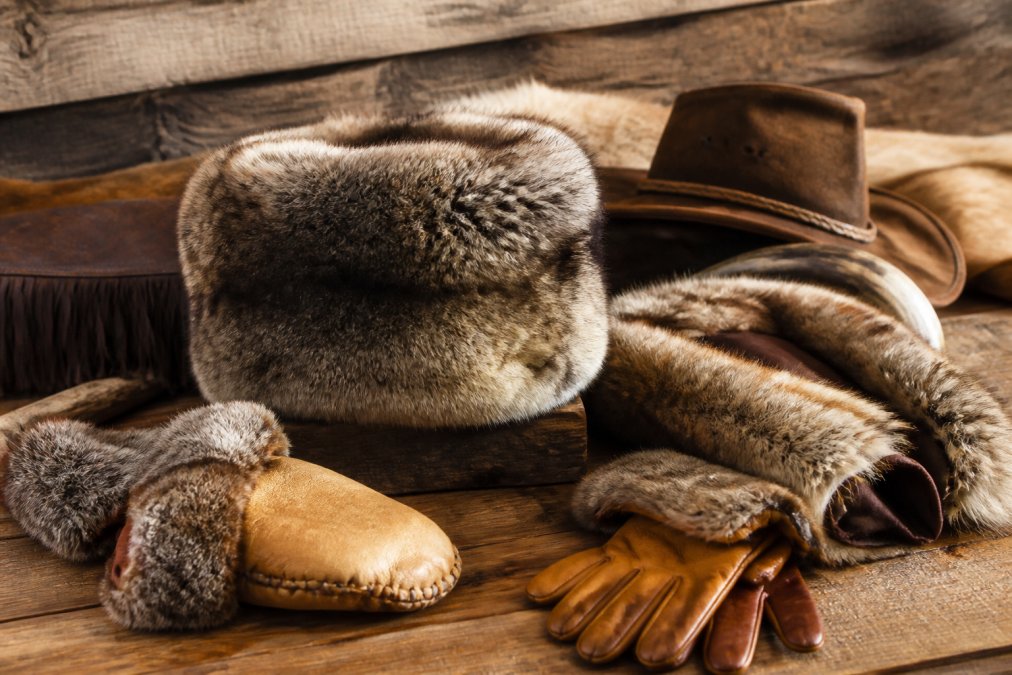
Western style fur accessories combine function-first materials with the silhouette language of the American West: wide-brim hats, ear-flap caps, fringe-trimmed leather, and shearling linings. This guide from Campbell Fine Furs breaks down the best western style fur accessories by use and climate.
The category is small but growing fast, as buyers look for pieces that work on a cold morning and at a dinner table the same evening. The best western style fur accessories are wardrobe staples with a specific job, not costume pieces.
Three things separate a genuine western fur accessory from a generic winter item:
- Silhouette: trapper flaps, cavalry brims, and blanket-weight draping
- Material: real shearling, suede, or high-grade faux fur rather than brushed acrylic
- Construction: hand-stitched seams and reinforced stress points
Quick Comparison: Fur Accessories by Use and Climate
Match the accessory to the job before the outfit. The table below maps common western fur pieces to their use case, climate, and care demand.
| Accessory | Best For | Climate | Care Demand |
|---|---|---|---|
| Trapper hat | Field work, deep cold | Severe winter | Moderate |
| Aviator hat | Everyday wear, driving | Cold winter | Moderate |
| Fur scarf | Layering, outfit elevation | Cool to cold | Low |
| Shearling vest | Mid-layer warmth | Cool to moderate | Low |
| Fur-trimmed cape | Statement layering | Cool, dry | High |
| Fur mittens | Trapping, ice fishing | Severe winter | Moderate |
A common mistake is buying for the coldest temperature you might ever see rather than the one you live in. A shearling vest worn eight months a year beats a heavy cape worn twice.
Best Fur Hats for Hunting and Everyday Wear
The best fur hats for hunting are trapper and aviator styles with ear flaps, a quilted or shearling lining, and a shell that sheds snow. They work for daily wear if the trim is restrained and the crown is not overly tall.

Trapper and Aviator Styles for Cold-Weather Field Work
Trapper hats cover the ears and back of the neck, which matters when standing still in wind. Aviator styles sit closer to the skull and pair well with a hood.
What most guides miss is the flap hinge. A flap that ties down or folds up cleanly is the difference between a hat you wear and one that lives in a truck console. Check that the hinge is stitched, not glued.
What to Check Before You Buy
Run through this list before committing:
- Ear flaps fold up and stay up without sagging
- Lining is shearling or a comparable lofted material, not thin fleece
- Crown fits snug without pressing on your forehead
- Trim is secure at the seams, not tacked at the edges
- Shell repels light moisture
Campbell Fine Furs offers men's and women's fur hats built to this standard.
How to Style Western Fur Scarves
Western fur scarves work best as a single focal point. Pick one statement piece, keep the rest of the outfit quiet, and let the texture do the talking. A fur scarf is the easiest entry point into the western aesthetic because it layers over almost anything, but it only reads as western when the proportions and wrap technique are right.
Match the Scarf Width to the Wrap
The biggest styling variable is scarf width, because it determines which wraps hold.
- Narrow (4-6 inches): loops once and tucks cleanly under a coat collar. Best for everyday wear and for anyone who does not want bulk at the neck.
- Mid-width (8-10 inches): the workhorse. Drapes, loops, and crosses without swallowing the jawline.
- Wide (12 inches and up): a statement piece. Wear it draped across the shoulders or belted at the waist, not wrapped tight around the throat, or it will bunch and hide the collar of whatever is underneath.
A common pattern is buying a wide scarf for warmth and discovering it only works as a shoulder drape. If you want a scarf you can wrap, buy mid-width.
Three Reliable Approaches
- Over a denim or canvas jacket for a boho western look that reads casual. Let the scarf hang long and loose; knotting it tight fights the relaxed silhouette of the jacket.
- Under a wool coat collar so the fur frames the neckline. Tuck the ends inside the coat and let only the top few inches show, this is the most polished option and the one that photographs best.
- Draped across the shoulders over a fitted top for evening wear. Anchor it with a leather belt at the waist if the scarf is wide, or a brooch at the shoulder if it is narrow.
Layering with Vests, Capes, and Leather Goods
Fur scarves pair naturally with shearling vests, capes, and leather goods. Keep the palette to two or three tones so the textures do not compete; a leather belt and fur scarf in the same family of browns always look intentional.
Layering order matters, and it changes with the temperature:
- Cold weather: scarf closest to the body, then vest or coat, then cape if you are wearing one. Fur traps a layer of still air against the skin, and that layer only works if nothing compresses it.
- Cool weather: scarf on the outside of the coat, purely decorative. The coat does the insulating; the fur does the styling.
- Transitional weather: vest over a light shirt, scarf loose at the neck, no coat. This is the configuration that carries a western look from a cool morning into an indoor dinner without a full change.
The difference between styled and bundled: bundled is everything at once, styled is one insulating layer plus one decorative layer.
Fur-Specific Styling Rules
Fur behaves differently from wool or acrylic. Three habits keep a look sharp:
- Brush before you wear. Fur that has been stored flat will look matted at the edges. A quick brush in the direction of growth restores the loft and makes the piece read as intentional rather than thrown on.
- Do not layer fur on fur. A fur scarf plus a fur-trimmed cape plus a fur hat turns a western aesthetic into a costume. Two fur pieces maximum, and only if one is a small accent like a cuff or a collar.
- Keep hardware away from the pile. Zippers, bag straps, and seatbelt edges crush fur over time. If you carry a crossbody bag, wear the scarf on the opposite shoulder.
Day-to-Night Transition
The same scarf can carry both, but the wrap changes. Daytime: loop it once and let the ends fall. Evening: pull it up to frame the jawline, tuck the ends under, and swap the denim jacket for a fitted top or structured blazer. Same piece, two silhouettes, no second purchase.
Caring for Artisanal Fur Goods
Most western accessory guides cover leather and denim care and skip fur entirely. Fur is a different material with different failure modes, and the routine that keeps a leather belt supple will ruin a shearling hat.
Caring for artisanal fur goods comes down to four habits: brush in the direction of growth, store on a padded hanger away from direct light, never seal in plastic, and keep away from heat. Real fur needs airflow and stable humidity to stay supple.
Cleaning: What You Can Do and What You Should Not
- Spot-clean only, and only with a damp cloth. Wipe in the direction of the pile, then let the piece air-dry away from heat. Do not rub, because rubbing mats the underfur.
- Never use leather cleaners, saddle soap, or household detergents on fur. They strip the natural oils from the pelt and leave it dry and brittle. If a piece needs a full clean, it goes to a furrier.
- Never machine wash or dry-clean a fur piece at a general dry cleaner. Fur requires a specialist process. A standard dry cleaner can flatten the pile and shrink the pelt.
- Blot moisture, do not rub it. If the piece gets wet, shake it out and hang it to dry at room temperature. Never near a radiator, a fireplace, or a forced-air vent.
Shedding, Storage, and Seasonal Maintenance
Some shedding in the first season is normal as loose fibers work free. Persistent shedding after that usually points to a dry pelt or poor tanning, not the fur type.
Seasonal maintenance looks like this:
- End of season: brush, spot-clean, and hang in a breathable cotton bag. A pillowcase works in a pinch; a garment bag with a fabric panel is better.
- Mid-season: shake out and air for a few hours in a cool, dry room.
- After moisture exposure: dry at room temperature, never near a radiator.
- Annually: have heavier pieces inspected by a furrier, who can recondition the pelt and catch pest damage early.
Storage Conditions That Actually Protect Fur
Fur is a protein fiber that degrades predictably when the environment is wrong. Three conditions do most of the damage:
- Heat and dry air. Forced-air heating pulls moisture out of the pelt and makes it stiff. Store fur in the coolest closet in the house, away from vents.
- Direct light. Sunlight fades dyed fur and oxidizes natural tones. A dark closet beats a display hook every time.
- Compression. Hanging a heavy fur piece on a wire hanger distorts the shoulders. Use a wide, padded hanger, and do not stuff pieces into a crowded closet.
A common mistake is storing fur in a vacuum bag. It saves space and ruins the pelt: plastic traps moisture, and moisture plus a protein fiber means mildew and a smell that does not come out.
Pests and Long-Term Storage
Moths and carpet beetles damage fur quietly. Cedar blocks and lavender sachets help but are not a guarantee. The reliable approach is inspection: check stored pieces every few months for fine dust at the base of the pile, often the first sign of insect activity. If you find it, isolate the piece and take it to a furrier rather than treating it yourself.
For long-term storage of a valuable piece, professional cold storage is the standard option. It controls temperature, humidity, and light at once, and it is the reason a well-kept fur can outlast the person who bought it.
Faux Fur Care Is Different
Faux fur is a synthetic pile on a knit or woven backing, and it tolerates more than real fur but not everything. Most high-grade faux pieces can be hand-washed in cool water with mild detergent, then air-dried and brushed. Do not put faux fur in a hot dryer, because heat melts and crimps the pile, and do not iron it. Cheap pile pills and pulls away from the backing within a season, which is why the purchase decision matters more than the care routine.
Ethical Sourcing and Faux-Fur Alternatives
Ethical sourcing questions deserve a straight answer. Ask any seller for the origin of the pelts, the tanning method, and whether the fur is a byproduct of licensed wildlife management or farmed under a recognized welfare program. A seller who cannot answer is one to walk past.
For buyers who prefer not to wear real fur, modern faux fur has closed much of the gap. High-grade faux shearling now holds loft, resists matting, and takes a trim finish that photographs well.
Where you stand on real versus faux is your call. What is not optional is knowing which one you are buying. The Federal Trade Commission guidance on fur labeling sets out what sellers must disclose, so the label should tell you.
For buyers weighing warmth against weight, real shearling generally insulates better per unit of thickness. Faux fur wins on price and on ease of cleaning.
Budget vs. Investment Pieces: What to Buy First
Buy the piece you will wear most often first, not the one that looks best on a shelf. For most people that means a hat or scarf, then a vest, then a statement item like a cape or fur-trimmed shawl.
A simple rule: if you cannot name three outfits you would wear it with, it is not a wardrobe staple yet.
Where to spend and where to save:
- Spend on: hats, mittens, and anything that touches your skin in cold weather
- Save on: decorative trims, seasonal accents, and trend-driven shapes
- Skip entirely: pieces that need dry cleaning after every wear
U.S. Fish and Wildlife Service guidance on fur products is worth reading before you buy imported fur, since some species and products carry documentation requirements.
Campbell Fine Furs builds artisanal fur products with an emphasis on craftsmanship, from fur mittens and scarves to blankets and pillows for a rustic or Western home. The same quality standard runs across the range.
Frequently Asked Questions
What are the essential fur accessories for a Western-inspired outfit?
Start with a fur hat, a fur scarf or shawl, and a leather belt with a statement buckle. Fur-trimmed vests, cuff bracelets, and fur-lined mittens complete the look. For cold-weather western wear, a trapper-style hat and fur scarf do the most work because they cover the areas that lose heat fastest. Build a capsule wardrobe around three or four pieces you can mix across outfits, then add statement pieces like fur-trimmed capes or boho western accents as your budget allows.
How should you care for artisanal fur accessories?
Shake fur pieces after each wear to release dust, then hang them on a padded hanger away from direct sunlight. Store furs in a breathable cotton bag, never plastic, because trapped moisture causes shedding and matting. Brush the nap with the grain using a soft-bristle brush. If a piece gets wet, shake it out and let it air dry at room temperature, away from radiators or hair dryers. For deep cleaning, take artisanal fur goods to a fur specialist rather than a standard dry cleaner.
Are fur accessories appropriate for casual Western fashion?
Yes. Modern western styling pairs a single fur piece with denim, flannel, or a plain leather jacket. A fur scarf over a denim shirt, or a fur-trimmed vest over a flannel, reads casual rather than formal. The trick is to limit yourself to one or two fur elements per outfit so the rest of the look stays grounded. Save full fur coats and capes for evenings or colder events, and keep everyday outfits built around hats, scarves, and leather goods.
How do I know fur accessories are ethically sourced?
Ask the seller directly what species the fur comes from, where it was sourced, and whether they can document the supply chain. Reputable artisanal furriers answer these questions without hesitation and can point to specific sourcing practices. If a seller calls a product ethically sourced but cannot explain what that means for their supply chain, treat it as marketing. Faux-fur alternatives are a reasonable choice if documentation is not available or if you prefer to avoid animal fur entirely.
Cold weather does not care how good your outfit looks, and a cheap accessory will fail you the first time it matters. Campbell Fine Furs makes high-quality, affordable men's and women's fur accessories designed for real winters, with tastefully designed artisanal pieces that hold up season after season. Browse the fur hats, scarves, and mittens collection, or view all products to find the piece that fits your climate and your wardrobe.