 listicle
Best Fur Hats for Hunting: A 2026 Buyer's Guide
Table of Contents
- Why Fur Hats for Hunting Outperform Other Winter Headwear
- Warmest Fur for Winter Hats: Comparing Coyote, Beaver, Rabbit, and Fox
- Trapper Hat Styles for Hunting: Ushanka, Aviator, and Shearling Designs
- How to Choose a Hunting Trapper Hat That Fits Your Conditions
- Top Fur Hats for Hunting: Our Picks by Use Case
- Maintaining Fur Hunting Accessories to Last for Years
- Frequently Asked Questions
Last Updated: August 25, 2026
Choosing the best fur hats for hunting separates a comfortable, focused day in the field from one where you're fighting the cold instead of the game. At Campbell Fine Furs, we offer high-quality, artisanal fur accessories designed for warmth, quietness, and durability. This guide breaks down every factor that matters, from fur type and hat style to fit, maintenance, and allergy-friendly alternatives.
Quick Picks:
- Best Overall: Coyote fur trapper hat with earflaps, offering wind resistance and durability for field use
- Best for Extreme Cold: Beaver fur ushanka, providing dense natural insulation in hunting headwear
- Best Lightweight Option: Rabbit fur aviator hat, ideal for moderate cold and all-day wear comfort
- Best Hypoallergenic Alternative: Shearling sheepskin trapper, natural, allergy-friendly warmth without synthetic compromises
Why Fur Hats for Hunting Outperform Other Winter Headwear
Natural fur delivers thermal regulation that adapts to your body heat, shedding excess warmth when you're moving and locking in heat when you go still on stand. That dynamic response is something synthetic fibers simply don't match.
Natural Fur vs. Synthetic Fibers: What Changes in the Field
Synthetic insulation traps dead air in a fixed structure. Natural fur creates a layered system that responds to moisture and temperature changes. When still-hunting in wet snow, natural fur sheds surface moisture while maintaining its loft. Synthetic materials compress when wet, losing insulating value at exactly the wrong moment. Natural fur's open fiber structure also allows moisture-wicking from the scalp without the clammy feeling that comes with tightly woven synthetic liners.
Hunting-Specific Features: Scent Control, Noise, and Hearing
Stiff synthetic shells crinkle and rustle against brush and gun stocks. Natural fur is inherently soft and quiet, critical when every sound matters. Natural fur also holds less synthetic odor than petroleum-based materials, and many experienced hunters prefer it for this reason.
Hearing is the most overlooked factor. Earflaps that cover the ears completely can muffle ambient sound, affecting situational awareness and safe firearm handling. Look for earflap designs that can be tied up or adjusted quickly, so you can drop them for warmth during a sit and raise them when you need full auditory awareness.
Warmest Fur for Winter Hats: Comparing Coyote, Beaver, Rabbit, and Fox
The warmest fur for winter hats depends on the temperature range you're hunting in, the moisture conditions you expect, and how much weight you're willing to carry.
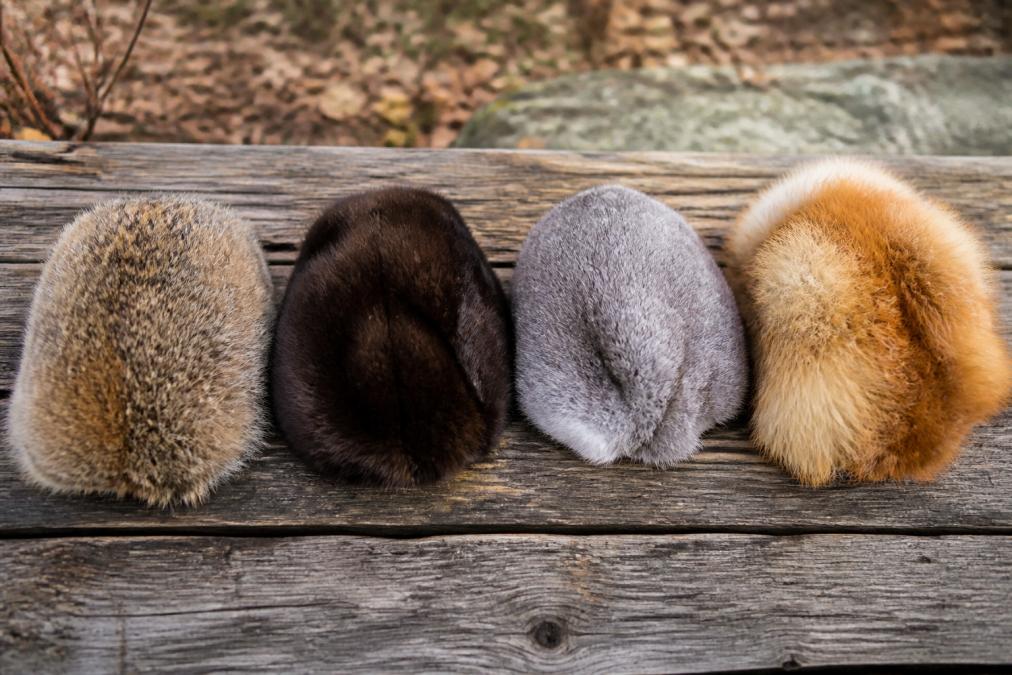
Coyote Fur: Wind Resistance and Durability
Coyote fur is the top choice for hunters in open terrain where wind is the primary enemy. The guard hairs are long, coarse, and densely packed, creating a windproof barrier that performs well in sustained wind and blowing snow. Coyote fur's hide quality is tough, meaning the hat maintains its structure through years of hard use. For open-country elk, mule deer, or late-season waterfowl hunting, coyote fur trapper hats are a serious working tool.
Beaver Fur: Dense Insulation for Sub-Zero Temperatures
Beaver fur is the densest natural fur available for hunting headwear (peer-reviewed research). The underfur is exceptionally fine and tightly packed, creating insulation that outperforms most other natural materials at extreme cold. Beaver fur is also naturally water-resistant, the same properties that protect the animal in aquatic environments translate directly to performance in wet snow and freezing rain. For ice fishing, late-season stand hunting, or any application where you'll be stationary for hours in sub-zero temperatures, beaver fur delivers unmatched insulation.
Rabbit and Fox Fur: Lightweight Warmth for Moderate Cold
Rabbit fur is the lightest option, soft and comfortable for temperatures in the 10°F to 30°F range. The tradeoff is durability: rabbit fur is less strong than coyote or beaver and requires more careful handling. Fox fur sits between rabbit and coyote in both warmth and durability, with long, fluffy guard hairs that provide excellent loft. For deer hunters in the mid-Atlantic or upper Midwest facing cold but not arctic conditions, fox fur hits a practical sweet spot.
| Fur Type | Best Temperature Range | Key Strength | Weight | Durability |
|---|---|---|---|---|
| Coyote | Below 0°F to 20°F | Wind resistance | Medium | Very high |
| Beaver | Below -20°F to 10°F | Dense insulation, water resistance | Heavy | Very high |
| Rabbit | 10°F to 30°F | Lightweight comfort | Light | Moderate |
| Fox | 0°F to 25°F | Loft and warmth | Medium-light | High |
Trapper Hat Styles for Hunting: Ushanka, Aviator, and Shearling Designs
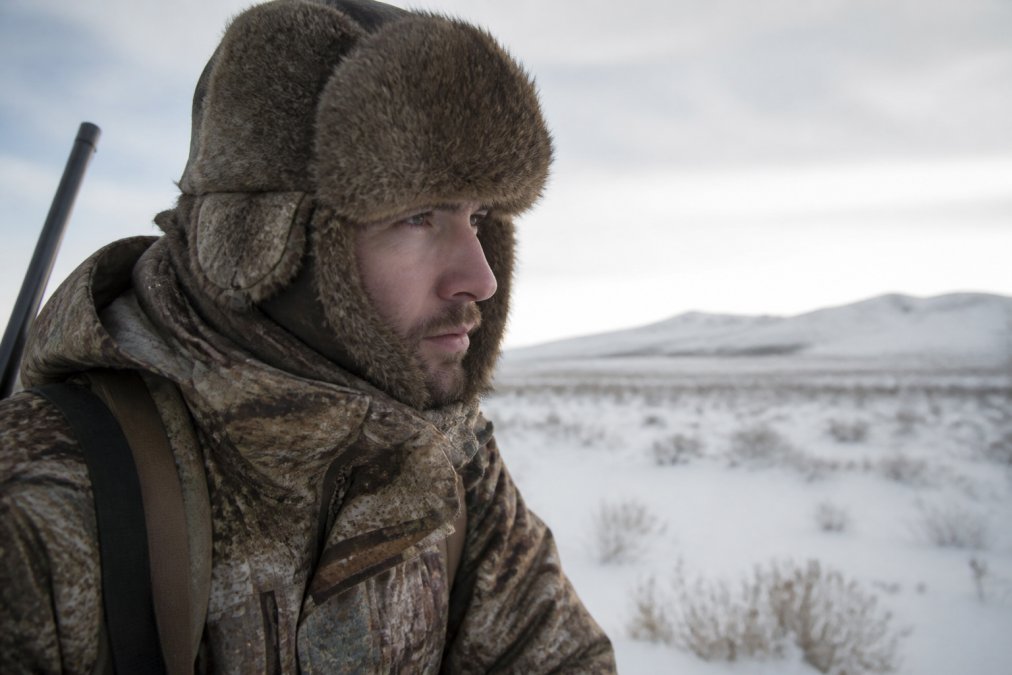
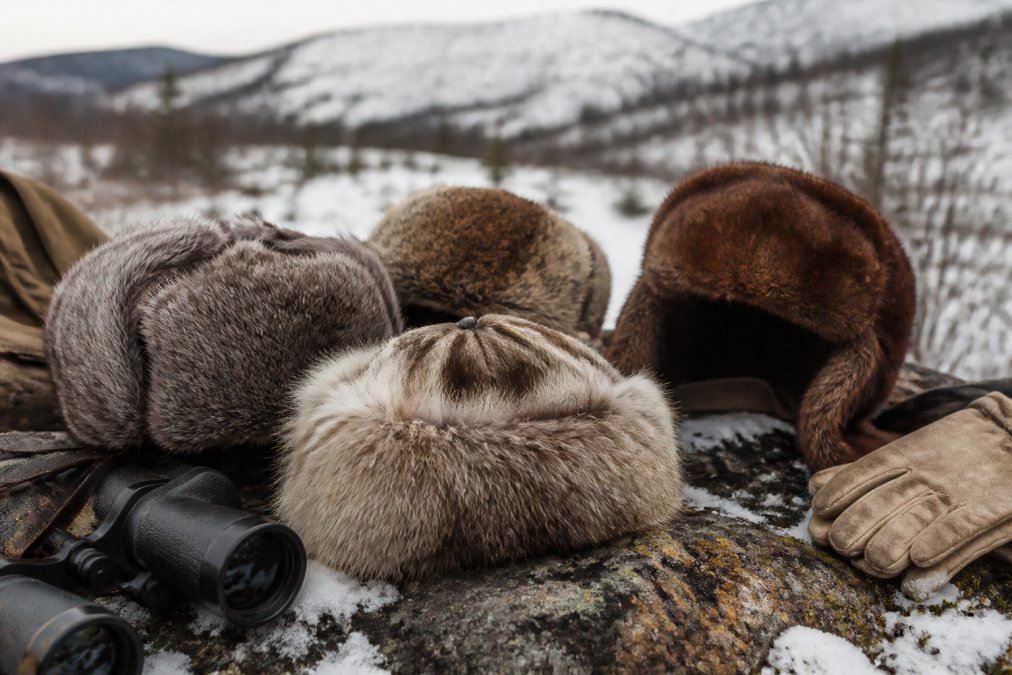
The ushanka is the classic Russian-style fur hat with a structured crown and earflaps that tie up over the top or fasten under the chin. It's the most wind-resistant design because the earflaps seal against the sides of the face. For hunters on stand in open country, the ushanka's full coverage is hard to beat.
The aviator bomber hat uses a similar earflap design but typically features a leather brim at the front, which provides additional wind protection for the face and shades the eyes from low winter sun. This is particularly useful for duck hunters who spend time scanning the horizon.
Shearling sheepskin designs differ from traditional fur hats in that the insulating material is the wool side of a tanned sheepskin, with the suede exterior facing out. Shearling is exceptionally soft, naturally hypoallergenic, and provides consistent warmth across a wide temperature range. Many hunters prefer shearling for its comfort during long sits.
The choice between styles often comes down to the hunting application: ushanka for extreme cold and open country, aviator for waterfowl and glare conditions, shearling for moderate cold and all-day versatility.
How to Choose a Hunting Trapper Hat That Fits Your Conditions
Choosing a hunting trapper hat correctly means matching the hat's performance profile to three specific variables: the temperature range you hunt in, the terrain and cover type, and how much time you spend moving versus sitting.
A common mistake is buying for the coldest day you can imagine rather than the conditions you actually hunt in most often. An extremely dense beaver fur ushanka is the right call for a January ice fishing trip in Minnesota, but it may be too warm for a November deer stand in Virginia where temperatures hover around 25°F.
Sizing and Head Circumference: Getting the Fit Right
Trapper hats must fit snugly to perform. A hat that shifts during movement breaks the seal between the earflaps and your face, letting cold air in at exactly the spot where wind chill does the most damage.
To measure head circumference accurately, wrap a soft measuring tape around your head approximately one inch above your eyebrows, keeping it level around the back. Most trapper hat sizing runs in half-inch increments, and if you're between sizes, size down: fur hats have a small amount of natural give, and a slightly snug fit becomes comfortable after a few wears.
Fit adjustment features to look for:
- Adjustable earflap ties or snaps that allow quick configuration changes
- Interior drawstring or sizing band for fine-tuning circumference
- Chin strap option for high-wind conditions
Allergy-Friendly and Hypoallergenic Alternatives
Some hunters experience sensitivity to specific fur types, particularly rabbit fur, which can cause contact dermatitis in people with existing skin sensitivities (peer-reviewed research).
Shearling sheepskin is the most allergy-friendly natural option in hunting headwear. The wool fibers are naturally hypoallergenic for most people, and the tanned hide backing creates a barrier between the fur and skin. For hunters with mild sensitivities, a shearling hat with a moisture-wicking inner liner preserves thermal performance while eliminating direct skin contact.
Top Fur Hats for Hunting: Our Picks by Use Case
The best fur hats for hunting depend on your specific hunting application, temperature range, and how you balance warmth against weight and mobility.
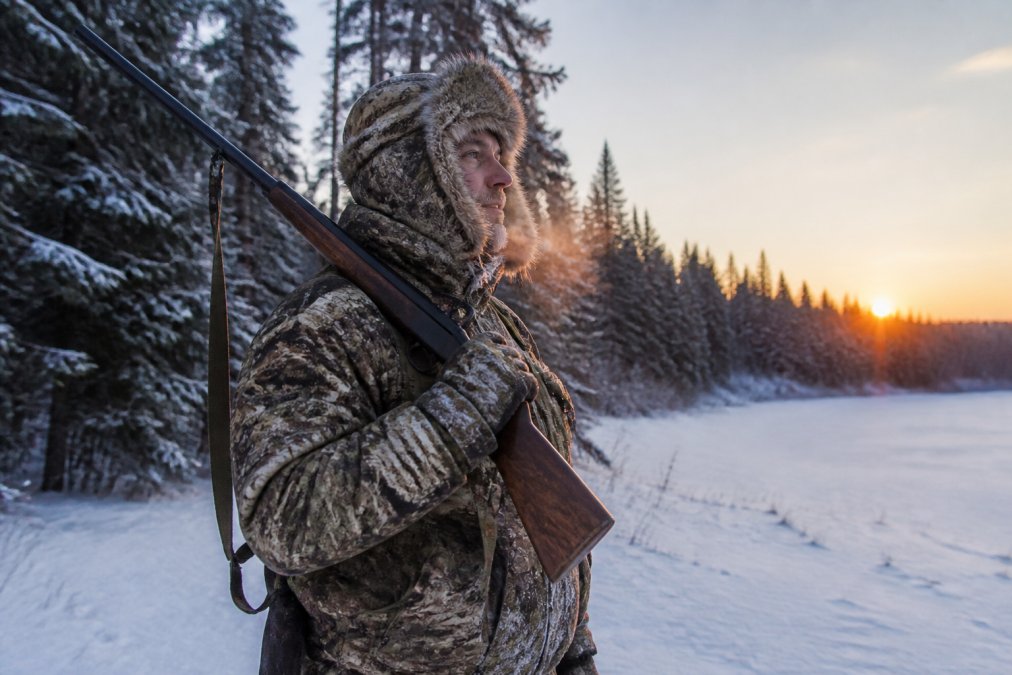
1. Campbell Fine Furs Coyote Fur Trapper Hat, Best Overall for Hunting
Our top pick for most hunters is the coyote fur trapper hat from Campbell Fine Furs. The combination of long guard hairs, durable hide construction, and windproof performance makes it a versatile option across hunting applications. The earflap design ties up cleanly for mobile hunting and drops down fast for stand work. Campbell Fine Furs offers artisan-crafted fur accessories built to the standard that serious hunters and trappers expect.
2. Beaver Fur Ushanka, Best for Extreme Cold and Stationary Hunting
The beaver fur ushanka is the correct choice for ice fishing, late-season waterfowl blinds, or any situation where you'll be stationary for extended periods in sub-zero temperatures. The dense underfur creates a thermal barrier that outperforms other natural materials at the low end of the temperature range. The structured ushanka form seals against the face and neck, eliminating cold-air gaps that plague looser designs.
3. Shearling Sheepskin Trapper, Best for Versatility and Comfort
The shearling sheepskin trapper is the choice for hunters who want one hat that works from the truck to the stand to the camp dinner table. Shearling's natural breathability and soft texture make it a comfortable option for all-day wear, and the hypoallergenic properties address sensitivity concerns. For temperatures consistently below -10°F, you'll want a denser fur, but for everything above that threshold, shearling delivers exceptional warmth with superior comfort.
4. Rabbit Fur Aviator Hat, Best for Moderate Cold and Active Hunting
For hunters who cover ground, still-hunters, and spot-and-stalk deer hunters, the rabbit fur aviator hat offers a good balance of warmth and light weight. The leather brim cuts wind across the face without adding bulk. Rabbit fur's soft texture and lighter weight reduce fatigue on long days afoot. The tradeoff is durability, rabbit fur requires more careful handling than coyote or beaver.
| Hat Style | Fur Type | Best Use Case | Temperature Range | Key Feature |
|---|---|---|---|---|
| Coyote Trapper | Coyote | Open-country, stand hunting | Below 0°F to 20°F | Wind resistance, durability |
| Beaver Ushanka | Beaver | Extreme cold, stationary hunting | Below -20°F to 10°F | Maximum insulation |
| Shearling Trapper | Sheepskin | All-day versatility | 5°F to 30°F | Comfort, hypoallergenic |
| Rabbit Aviator | Rabbit | Active, mobile hunting | 15°F to 30°F | Lightweight, soft |
Maintaining Fur Hunting Accessories to Last for Years
Maintaining fur hunting accessories correctly is the difference between a hat that lasts five years and one that lasts twenty. Natural fur is durable, but it requires specific care that differs significantly from synthetic gear maintenance.
The most common mistake hunters make is storing fur hats in sealed plastic bags or compressed in a pack. Natural fur needs airflow. Compressed storage breaks down the guard hairs and collapses the underfur loft over time, reducing insulating performance permanently. Store fur hats in a breathable fabric bag or on a hat form in a cool, dry location away from direct sunlight.
After field use, shake out any debris and allow the hat to air dry completely before storage. Never use direct heat to dry a fur hat: forced hot air damages the hide backing and causes the fur to become brittle. Room temperature air drying, fur side out, is the correct method.
For cleaning, spot treatment with a damp cloth handles most field dirt. For deeper cleaning, professional fur cleaning is the recommended approach. Brushing the fur gently with a soft-bristle brush after drying restores loft and removes any matting from moisture exposure.
Seasonal care checklist:
- Air dry completely after each use before storage
- Store in breathable bag, never compressed or in plastic
- Brush gently with soft-bristle brush after drying
- Keep away from direct sunlight and heat sources
- Inspect hide backing annually for any stiffness or cracking
- Professional clean once per season for heavy-use hats
A quality natural fur hat, properly maintained, outlasts synthetic alternatives by a wide margin. The initial investment in a well-made fur hat from an artisan source pays off over years of reliable field performance.
Frequently Asked Questions
What type of fur makes the best hat for extreme cold?
Beaver fur is widely regarded as the top choice for extreme cold. Its dense, water-resistant underfur traps heat exceptionally well, making it effective in sub-zero temperatures. Coyote fur is a close second, offering strong wind resistance alongside solid insulation. For temperatures that hover around freezing rather than well below it, rabbit fur provides comfortable warmth at a lighter weight. The best fur hats for hunting in severe conditions typically use beaver or coyote as the primary material.
Are fur hats better than synthetic materials for hunting?
Natural fur has several practical advantages over synthetic fibers for hunting. It regulates temperature more effectively across a wider range of conditions, breathing when you're active and insulating when you're still. Synthetic faux fur can rustle or crinkle in cold air, creating noise that alerts game. Natural fur is also quieter against brush and branches. For hunters sitting in a blind or still-hunting in late season, a well-made natural fur hat delivers thermal regulation and silence that most synthetic options cannot match.
How do I choose the right size trapper hat for hunting?
Measure your head circumference with a soft tape measure placed about 1 inch above your eyebrows and around the widest part of the back of your head. Most trapper hats use this measurement in inches. A proper fit means the hat sits snugly without pressing on your temples. For hunting, you want a fit that stays secure when earflaps are tied up but still allows you to pull them down quickly. If you're between sizes, size down, a slightly snug fit becomes comfortable after a few wears.
How should I care for a fur hunting hat to make it last?
Shake out moisture after each outing and allow the hat to air-dry naturally away from direct heat sources like radiators or campfires. Never use a clothes dryer. Store it on a hat form or loosely stuffed with tissue paper to hold its shape during the off-season. If the fur becomes matted, gently brush it with a soft-bristle fur brush in the direction of the hair growth. For deep cleaning, take it to a professional fur cleaner rather than attempting machine washing, which damages both the hide and the fur fibers.
Can a fur trapper hat work for both hunting and everyday wear?
Yes, a well-constructed trapper hat with earflaps that tie up neatly transitions easily between field use and daily wear. Look for a hat with a clean exterior finish and a leather or shearling brim that holds its shape. Coyote and rabbit fur styles tend to have a natural, rugged look that suits both contexts. The key is construction quality: a hat built on a solid hide with tight stitching will maintain its appearance through seasons of regular use, whether you're sitting in a deer stand or running errands in cold weather.
Selecting the right cold-weather headwear is one of the decisions that separates hunters who stay comfortable and focused from those who cut days short. Campbell Fine Furs offers a curated selection of artisanal fur hats, including coyote, beaver, rabbit, and shearling designs, crafted with the quality and traditional construction that serious hunters and outdoor enthusiasts expect. View All Products at Campbell Fine Furs and find the hat built for your conditions.
This article was written using GrandRanker