 ultimate-guide
Custom Hunting Fur Hat Options: Ultimate 2026 Guide
Table of Contents
- Types of Custom Hunting Fur Hats
- Best Fur Hats for Hunting: Material Selection
- Custom Trapper Hat Sizing Guide
- How to Clean and Maintain Fur Hats
- Customization Checklist for Your Hunting Hat
- Ethical Sourcing and Sustainability
- Temperature-Specific Performance and Use Cases
- Frequently Asked Questions
Last Updated: August 30, 2026
Types of Custom Hunting Fur Hats
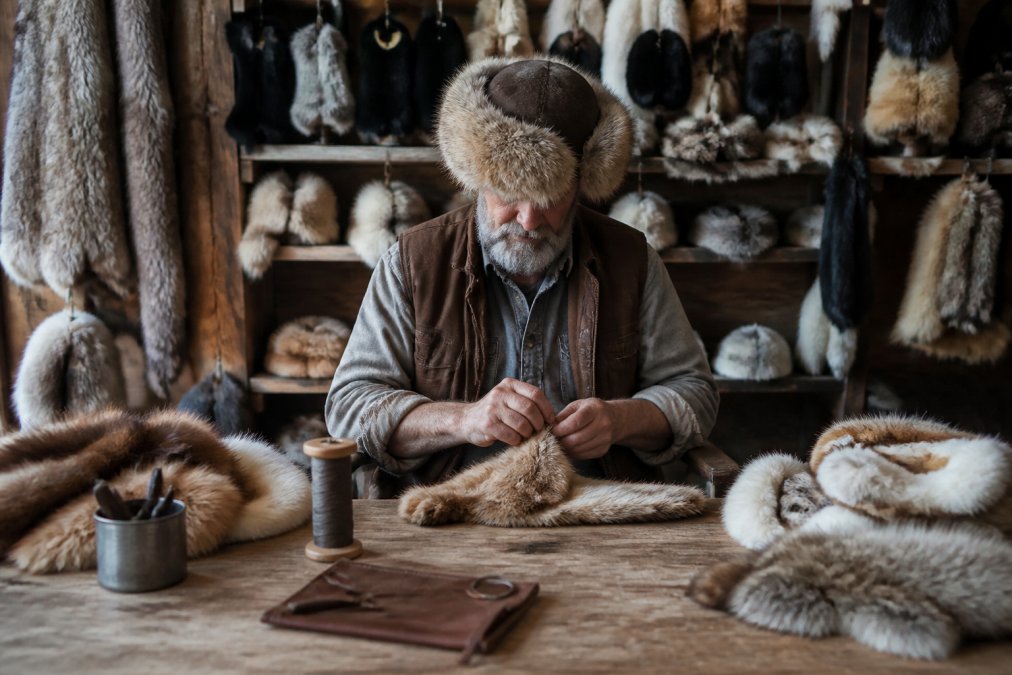
A custom hunting fur hat serves as functional gear that separates a successful hunt from a miserable one. The right hat keeps your head warm, manages moisture, and stays put through brush and steep terrain. Campbell Fine Furs specializes in handcrafted fur hats designed for hunters who demand durability and authentic warmth in arctic and moderate cold conditions.
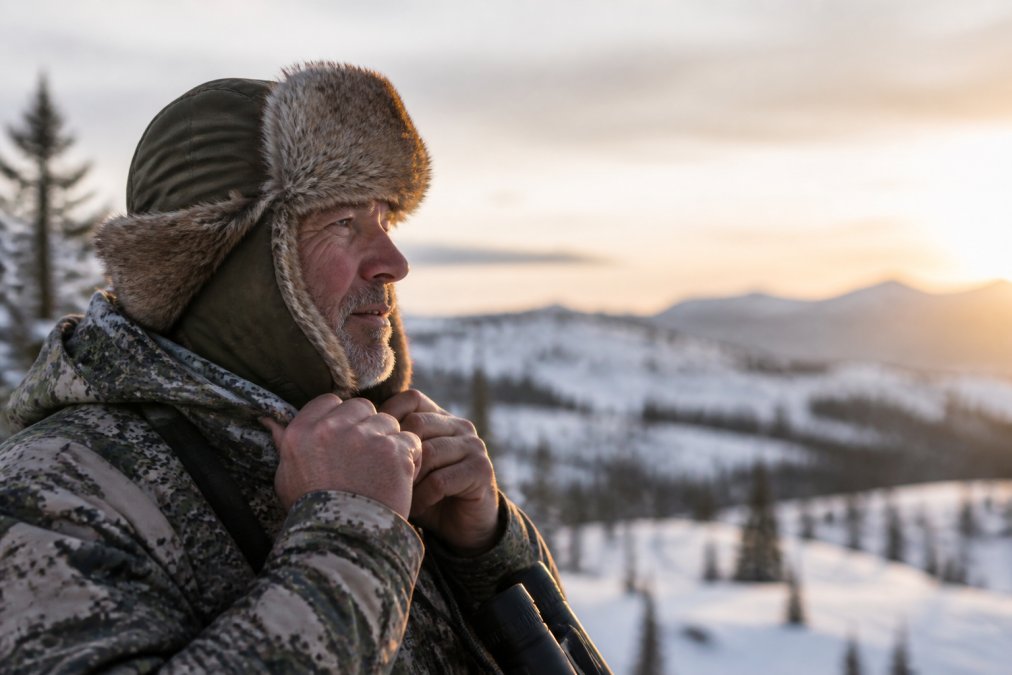
Three primary styles offer distinct advantages depending on your hunting environment.
Trapper Hats with Ear Flaps
A trapper hat with ear flaps remains the most versatile option for hunters. The design features a crown covering the top of your head with ear flaps that fold down to protect your ears and face, secured by a chin strap during movement through brush or wind. The balance between coverage and visibility makes trapper hats effective. Flip ear flaps up for better peripheral vision, or fold them down when temperatures drop. Genuine fur like coyote or rabbit provides superior insulation compared to synthetics.
Customization options include ear flap length, chin strap material, and lining choices. Some hunters prefer longer flaps for extreme cold; others want shorter flaps that don't obstruct hearing.
Ushanka Styles
The ushanka, a Russian-inspired design, offers a taller crown and longer ear flaps extending down the sides of the face and neck. This style provides exceptional coverage in arctic conditions where exposed skin becomes dangerous quickly. The tall crown creates an insulating air pocket, and extended flaps protect more facial area than a traditional trapper hat.
Ushanka-style hats work well for stationary hunting in blinds or tree stands. The taller profile can obstruct vision during active stalking, which is why many hunters reserve this style for specific situations. Customization includes adjusting crown height, flap length, and adding ventilation options.
Bomber Hats
A bomber hat splits the difference between a trapper and an ushanka. It features a rounded crown with ear flaps covering the ears and sides of the face but not extending as far down the neck. The design offers better peripheral vision than an ushanka while providing more coverage than a minimal trapper hat. Customization options include adjusting flap depth, adding a waterproof shell layer, and choosing specific fur types.
Best Fur Hats for Hunting: Material Selection
The material you choose determines warmth, longevity, and wet-condition performance, this decision matters more than style because poor material selection undermines even the best design.
Genuine Fur vs. Faux Fur
Genuine fur provides superior insulation because its hollow-core hair structure traps air and moisture. Real fur naturally sheds moisture, so your hat dries faster and maintains insulating properties even when damp. Faux fur uses synthetic fibers that absorb moisture rather than shed it, making your hat heavier and colder when wet.
Genuine fur hats from Campbell Fine Furs last multiple seasons with proper care. Faux fur typically needs replacement after 18-24 months of regular hunting use. When factoring in replacement cycles, genuine fur can be a more cost-effective choice per season despite higher upfront cost.
Premium Fur Types: Coyote, Fox, and Rabbit
Coyote fur offers the best balance of warmth, durability, and weight. Dense and slightly coarser than fox, coyote hair resists matting and maintains loft with heavy use. Guard hairs shed moisture effectively while underfur provides excellent insulation. Coyote fur works across a range of temperatures from moderate cold to arctic conditions and is the most popular choice for custom hunting hats.
Fox fur provides the lightest weight option while delivering serious insulation. Red fox fur is prized for soft texture and excellent moisture-shedding. The downside is less durability than coyote, finer hair structure mats more easily with heavy use. Fox fur works best for hunters prioritizing light weight and willing to maintain the hat carefully.
Rabbit fur creates the softest, most comfortable hats against your skin. However, rabbit fur is less durable than coyote and requires more careful maintenance. Many custom hats use rabbit fur for the interior crown and durable fur like coyote for exterior ear flaps.
Insulation and Thermal Efficiency
Insulating power comes from air trapped within the fur structure, not from the fur itself being "warm." A quality fur hat maintains thermal efficiency down to temperatures where exposed skin becomes dangerous. Coyote and fox fur hats typically perform well below negative 20 degrees Fahrenheit when properly fitted. Rabbit fur hats work well down to around negative 10 degrees.
Lining material also affects thermal efficiency. Poly-fill provides consistent insulation but can absorb moisture. Natural wool linings wick moisture away but add weight. Many hunters prefer combinations, poly-fill for the crown and wool for interior contact areas. Handcrafted hats can offer excellent wind resistance and thermal performance.
Custom Trapper Hat Sizing Guide
A poorly fitting hat defeats the purpose of quality construction. Even the best fur hat loses effectiveness if it shifts during movement or leaves gaps allowing wind to reach your ears.
Measuring Head Circumference
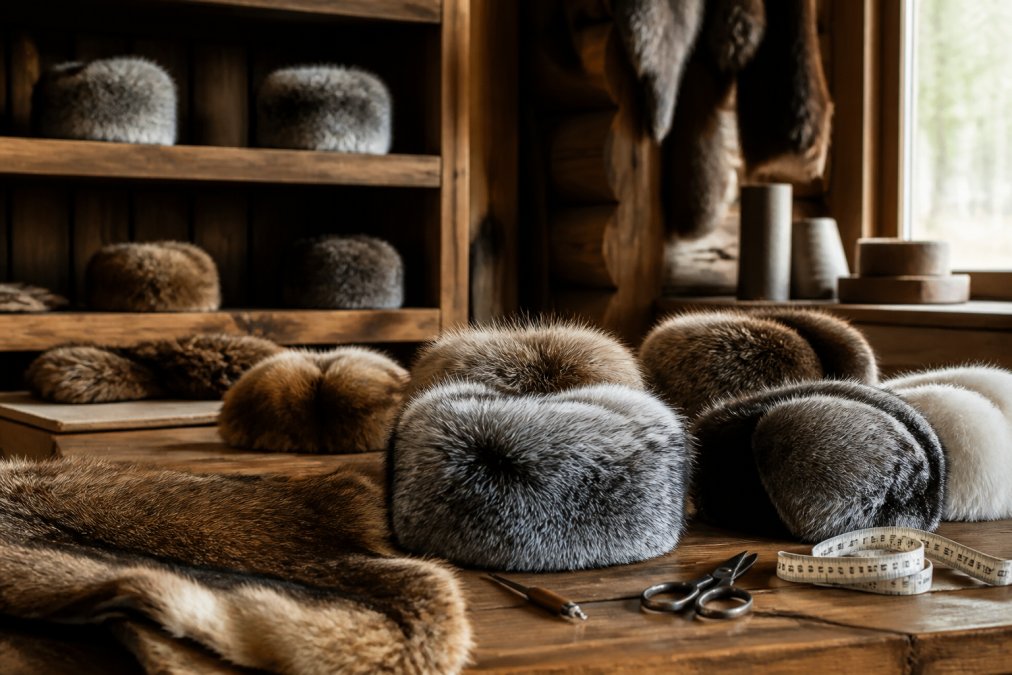
Measure around your head at the widest point, typically just above your ears and across your forehead. Use a soft measuring tape snug but not tight, you should fit one finger between tape and head. Most hat sizes correspond to head circumference: 22 inches is small, 22.5-23 inches is medium, 23.5-24 inches is large, and 24.5+ inches is extra large. Custom hats allow you to specify exact circumference rather than rounding to standard sizes. Take multiple measurements on different days if possible. If measurements vary, use the larger number to ensure the hat doesn't fit too tightly.
When ordering, also provide depth measurement from the center of your forehead to the back of your head. This determines how far back the crown extends.
Fit and Comfort Considerations
The front brim should rest about an inch above your eyebrows, leaving clearance to see without tilting your head back. The back should rest on the base of your skull without pressing uncomfortably. Ear flaps should cover your ears completely without pinching.
Weight distribution matters more than total weight. A slightly heavier hat balanced evenly feels more comfortable than a lighter hat with concentrated weight. Ventilation is critical for comfort. A hat that doesn't allow air circulation causes heavy sweating during active hunting, reducing insulation. Some custom designs include small ventilation holes in the crown or slightly loose fit in specific areas to allow air movement while maintaining warmth.
How to Clean and Maintain Fur Hats
The difference between a fur hat lasting three seasons and one lasting ten comes down to maintenance. Proper care preserves fur structure and prevents matting and deterioration.
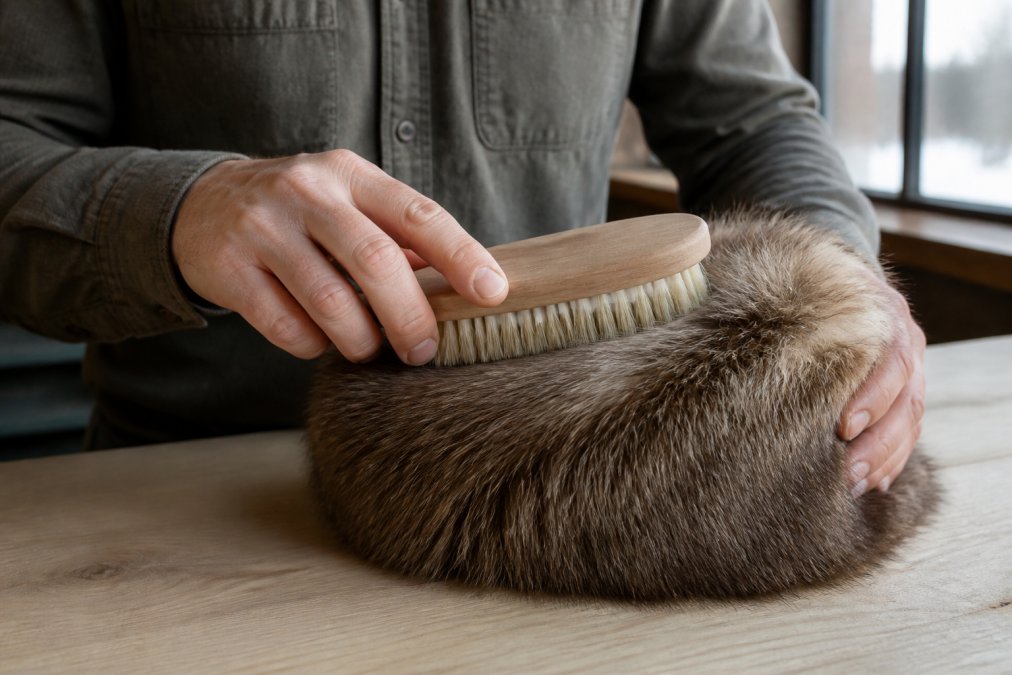
Regular Brushing and Storage
Brush your fur hat weekly during hunting season using a soft natural bristle brush. Brush in the direction the fur grows with gentle strokes that don't pull or tug. This removes dirt, dust, and debris that can cause matting. After each hunt, hang your hat in a cool, dry place to air out. Don't store it in damp basements or humid closets, moisture promotes mold and deterioration.
Store your hat in a breathable cotton bag rather than plastic. Plastic traps moisture and promotes mold growth. Avoid storing your hat in direct sunlight for extended periods, as UV exposure fades fur color over time.
Waterproofing and Weather Protection
Many custom hunting fur hats come with or can be treated with a waterproof shell layer, typically a water-resistant fabric bonded to the exterior fur. The shell sheds light rain and snow while allowing the fur underneath to breathe and maintain insulation.
If your hat lacks a waterproof shell, apply a fur-specific waterproofing product before the hunting season. For heavy rain or wet snow, use a hat cover, a simple waterproof fabric that slips over your hat. Clean off salt and mineral deposits if hunting in salted areas, as salt damages fur fibers and causes discoloration.
Customization Checklist for Your Hunting Hat
When ordering a custom hunting fur hat from Campbell Fine Furs, work through this checklist to ensure you get exactly what you need.
Bespoke Design Options
Select your base style: trapper, ushanka, or bomber. Specify dimensions: exact head circumference, depth measurement, and preferred ear flap length. Describe your hunting use, stationary in a blind, active stalking, or mixed conditions, because this affects design recommendations.
Choose your primary fur type. Coyote offers best all-around performance. Fox provides lighter weight. Rabbit prioritizes comfort. You can mix furs, coyote for ear flaps and rabbit for the crown, to balance weight, warmth, and durability. Select lining material and chin strap material based on your preferences.
Performance Features You Can Request
Ask about a waterproof shell layer. This adds minimal weight and significantly extends the hat's lifespan by protecting fur from moisture damage. Request ventilation options if you'll be active during hunts. Specify whether you want the hat reversible or convertible for temperature adjustments. Ask about reinforced stress points at ear flap attachment areas, which experience the most wear. Consider adding a leather or synthetic sweatband inside the crown to protect fur from sweat and oils.
Ethical Sourcing and Sustainability
Ethical sourcing means fur comes from animals harvested as part of regulated wildlife management, not from animals raised in captivity specifically for their fur. Campbell Fine Furs sources fur from regulated trappers and hunters who harvest animals as part of established wildlife management programs. These programs control animal populations and maintain ecosystem balance. Using fur from these sources means nothing goes to waste, the animal is harvested for meat and fur, both used.
This differs from fur farming operations where animals are raised in captivity solely for pelts. When you purchase a custom hat from Campbell Fine Furs, you support trappers and hunters who depend on these harvests as livelihood. The economic value of fur creates incentive to maintain healthy wildlife populations, benefiting entire ecosystems. Fur is also biodegradable, unlike synthetic alternatives that persist in landfills for decades.
Temperature-Specific Performance and Use Cases
Different hunting situations demand different hat performance. Understanding how your hat performs across temperature ranges helps you choose the right style and material.
Arctic and Extreme Cold Conditions
When temperatures drop below negative 10 degrees Fahrenheit, you need a hat specifically designed for extreme cold. An ushanka-style hat with coyote or fox fur provides the coverage and insulation required. The tall crown creates an air pocket maintaining warmth, and extended ear flaps protect more facial area.
Pair your extreme-cold hat with a balaclava or neck gaiter worn underneath for additional insulation and facial protection. At these temperatures, moisture management becomes critical. Your breath will freeze on the inside of your hat, creating ice buildup. A hat with good ventilation and moisture-wicking lining helps manage this. Test your hat in cold conditions before relying on it for a serious hunt.
Moderate Cold and Transitional Weather
For temperatures between 10 and 30 degrees Fahrenheit, a trapper hat with coyote fur provides excellent performance. This range covers most hunting seasons in moderate climates. The trapper design offers flexibility, fold ear flaps up when moving and generating body heat, fold them down when you stop and cool off.
In transitional weather where temperatures might swing 20 degrees between morning and afternoon, a bomber-style hat works well. Consider a hat with removable or reversible components for moderate cold. Waterproofing becomes important in moderate cold because precipitation is more likely. A hat with a waterproof shell layer sheds rain and wet snow while the fur underneath maintains insulation even when damp.
Choosing a custom hunting fur hat means investing in gear that performs reliably for years. The right hat keeps you warm, stays secure in challenging conditions, and requires minimal maintenance when properly cared for. Campbell Fine Furs creates bespoke hunting hats using genuine fur and handcrafted construction, ensuring each hat matches your specific needs and hunting style. Quality fur hats from Campbell Fine Furs deliver the warmth and durability that hunters depend on when conditions get serious. View All Products to explore customization options for your next hunting season.
Frequently Asked Questions
What are the benefits of wearing a real fur hat while hunting?
Genuine fur provides superior insulation and thermal efficiency compared to synthetic alternatives. Real fur naturally regulates temperature, keeping you warm in extreme cold while allowing moisture to escape. The dense fur structure blocks wind effectively, and genuine materials like coyote and fox fur are durable and maintain their properties longer. Hunters in arctic conditions particularly benefit from the superior performance of authentic fur hats in harsh weather.
How do I choose the right fur type for extreme cold weather hunting?
For extreme cold, prioritize density and thermal properties. Coyote fur offers excellent insulation and durability for arctic conditions. Fox fur provides similar warmth with a lighter weight option. Rabbit fur is softer but less durable in heavy use. Consider your specific climate: arctic hunting demands maximum insulation, while moderate cold allows more flexibility. Check the waterproof shell quality and lining thickness alongside the fur type for complete cold-weather performance.
Can I customize a fur hat to fit my specific head size?
Yes. Custom trapper hat options allow you to specify exact head circumference measurements for a perfect fit. Measure your head with a soft tape measure around the widest point above your ears. Bespoke designs accommodate various head shapes and sizes, ensuring comfort during extended wear in the field. Proper fit is essential for maintaining warmth and preventing heat loss around the edges, so custom sizing is a valuable consideration for serious hunters.
How should I care for and maintain a custom fur hunting hat?
Regular brushing with a soft brush prevents matting and maintains the fur's natural water-repellent properties. Store your hat in a cool, dry place away from direct heat or sunlight. For waterproofing, apply a fur-specific protectant before each season. If your hat gets wet, let it air dry naturally at room temperature. Avoid washing or dry cleaning unless absolutely necessary, as this can damage the fur and leather components. Proper maintenance extends the life of your hat significantly.
What is the difference between a trapper hat and an ushanka for hunting?
Trapper hats feature ear flaps that fold down for maximum coverage in extreme cold and are designed for practical field use. Ushankas have a similar ear flap design but traditionally feature a front visor and a distinctive silhouette. Both offer excellent warmth and protection, but trappers are often considered more versatile for hunting applications across various conditions. Ushankas can work well for both hunting and everyday wear. Choose based on your specific use case and personal preference for fit and style.
Are there ethical considerations when choosing custom fur hunting accessories?
Yes. Look for suppliers who source fur from regulated, sustainable sources and can provide documentation of ethical practices. Reputable manufacturers work with licensed trappers and follow wildlife management standards. Ask about sourcing practices and certifications before purchasing. Ethical sourcing ensures that fur comes from populations managed for sustainability, supporting traditional hunting practices while maintaining ecological balance. This matters both for your conscience and for the long-term viability of hunting traditions.
Will a heavy fur hat actually work for hunting in warmer climates?
Heavy fur hats are designed for extreme cold and arctic conditions. If you hunt in moderate or transitional climates, consider lighter-weight fur options like rabbit fur or thinner linings. Many hunters in warmer regions prefer lighter accessories they can remove easily. Custom options allow you to specify lighter insulation and linings suited to your specific climate. The key is matching the hat's thermal properties to your actual hunting environment rather than assuming one design works everywhere.
This article was written using GrandRanker