 ultimate-guide
Why Artisanal Fur Is Sustainable: A Data-Backed Guide
Table of Contents
- What Makes Artisanal Fur Sustainable
- Environmental Impact of Faux Fur vs. Natural Fur
- Fur as a Renewable Resource and By-Product
- Longevity of Natural Fur Accessories and Slow Fashion
- How to Care for Artisanal Fur for Maximum Lifespan
- Upcycling and Circular Economy Benefits
- Certification and Traceability in Ethical Sourcing
- Frequently Asked Questions
Last Updated: September 3, 2026
What Makes Artisanal Fur Sustainable
Artisanal fur is sustainable because it represents a fundamentally different approach to material sourcing compared to synthetic alternatives. Natural fur functions as a renewable resource and by-product of food production systems, animals are raised primarily for meat and proteins, with fur becoming a secondary use that maximizes resource efficiency. This contrasts sharply with petroleum-based synthetic fibers, which require continuous fossil fuel extraction and processing.
The sustainability argument centers on longevity and circular economy principles. A well-maintained fur garment lasts decades, sometimes generations, whereas synthetic alternatives typically degrade within 2-5 years of regular use. This durability means fewer replacements, less frequent manufacturing, and ultimately lower cumulative environmental impact over the garment's lifespan. When artisanal fur finally reaches the end of its usable life, it biodegrades naturally, returning organic matter to soil, rather than persisting in landfills for centuries like polymer-based textiles.
Campbell Fine Furs sources high-quality artisanal fur accessories designed specifically for longevity. Our approach emphasizes slow fashion principles: fewer items, higher quality, longer wear cycles. This philosophy directly addresses textile waste, one of the industry's most pressing environmental challenges.
The key distinction lies in understanding what "sustainable" actually means in this context. It's not about eliminating environmental impact, no manufacturing process is impact-free. Rather, it's about comparing total lifecycle environmental burden: extraction, processing, manufacturing, use, and disposal. Artisanal fur competes favorably on this comprehensive measure, particularly when garments are maintained properly and worn for extended periods.
Environmental Impact of Faux Fur vs. Natural Fur
Synthetic fur production depends entirely on petroleum-based polymer chemistry. Creating faux fur requires extracting crude oil, refining it into chemical feedstocks, and polymerizing those materials into fibers. Once manufactured, synthetic fibers shed microplastics with every wash, wear, and handling, releasing tiny polymer particles into waterways and soil that persist indefinitely.
Natural fur comes from animals already raised within food-production systems. The environmental cost of raising livestock for meat is already factored into that system; fur becomes an additional output that increases overall resource efficiency. The carbon footprint of producing a fur coat doesn't start from zero, it's distributed across meat, hide, bone, and other co-products.
Microplastic shedding represents a critical environmental difference. Synthetic fibers fragment during normal use and laundering, releasing particles that enter aquatic ecosystems and accumulate in soil. These microplastics don't biodegrade and represent persistent pollution. Natural fur sheds hair, yes, but that organic matter decomposes completely. Hair contains proteins and other compounds that soil microorganisms break down into nutrients. There's no persistent polymer contamination.
The textile waste problem underscores another advantage of natural materials. Faux fur garments typically become unusable within 2-5 years as synthetic fibers mat, pill, and lose structural integrity. Natural fur, when properly cared for, remains functional for 20-30+ years. Some vintage fur pieces from the mid-20th century remain in excellent condition today. This longevity directly reduces landfill waste and manufacturing demand.
Fur as a Renewable Resource and By-Product
Understanding fur as a by-product fundamentally changes the sustainability calculation. Animals are not raised primarily for fur; they're raised for meat, dairy, and other proteins. Fur represents additional value extracted from an animal that would be processed regardless. Using the fur would actually be wasteful from a resource perspective, it represents unutilized potential.
This by-product framework distinguishes artisanal fur from hypothetical alternatives where animals were bred exclusively for pelts. But that's not how modern fur production works. Fur comes from established livestock systems where the primary purpose is food production. The fur becomes a secondary harvest that increases overall economic and ecological efficiency.
Renewable resource status means the supply regenerates naturally. Livestock herds reproduce continuously, creating annual populations available for processing. Unlike fossil fuels, which represent finite ancient deposits, animal populations can be maintained indefinitely through managed breeding. This renewable quality contrasts with synthetic fibers, which depend on depleting petroleum reserves.
When consumers choose fur accessories from Campbell Fine Furs, they're not creating additional demand for animal farming, that demand already exists for meat and dairy. They're simply increasing the value extracted from existing operations. Rejecting fur while consuming meat represents an internal logical inconsistency: accepting the environmental cost of livestock farming while refusing to use all available outputs.
Certification and traceability in ethical sourcing verify that fur comes from established, regulated farming operations rather than wild trapping or illegal sources. These certifications provide transparency that the fur genuinely represents a by-product of food systems rather than primary-purpose hunting.
Longevity of Natural Fur Accessories and Slow Fashion
The durability of natural fur accessories represents their strongest sustainability advantage. A quality fur hat, scarf, or coat can remain functional and attractive for 30-50 years with proper care. Some vintage fur pieces from the 1950s-1970s are still worn today in excellent condition. This longevity contrasts sharply with synthetic alternatives, which typically show significant degradation within 2-5 years.
Slow fashion principles prioritize fewer, higher-quality items worn for extended periods over frequent replacements. A single fur coat purchased at age 25 and worn through age 75 generates far less environmental impact than purchasing five synthetic coats across that same period. The math becomes compelling when you factor in manufacturing emissions, transportation, packaging, and landfill impact.
Natural fur maintains structural integrity across decades because hair fibers are fundamentally stable. Protein-based fibers don't degrade or polymerize the way synthetic polymers do. Hair doesn't pill, shed excessively, or lose shape through normal wear. Vintage fur often commands premium prices because collectors recognize its durability and timeless appeal.
Garment longevity reduces the frequency of purchasing decisions. Someone wearing a Campbell Fine Furs fur hat for 20 years makes that purchase decision once. Someone replacing a synthetic hat every 3-4 years makes that decision six or seven times. Each replacement involves manufacturing, shipping, packaging waste, and disposal. The cumulative environmental impact of repeated purchasing cycles vastly exceeds the impact of a single high-quality item worn for decades.
How to Care for Artisanal Fur for Maximum Lifespan
Proper maintenance transforms artisanal fur from a long-lasting material into a multi-generational heirloom. Most deterioration happens not from normal wear but from improper storage, excessive moisture, or neglect of basic cleaning protocols.
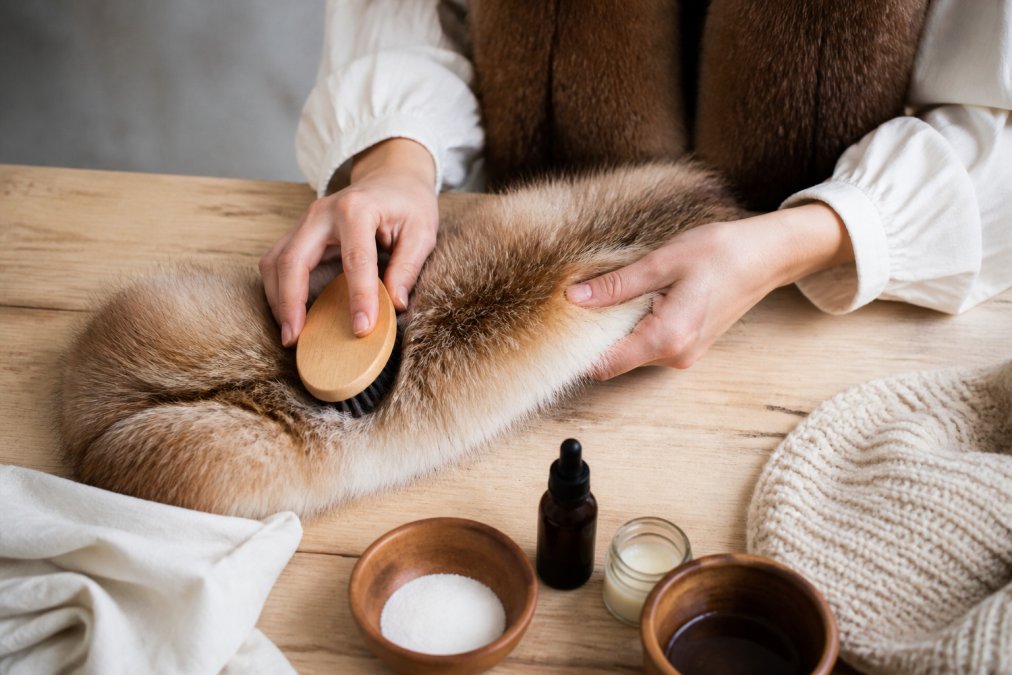
Start with regular brushing using a soft-bristled brush or comb designed for fur. Brush gently in the direction of hair growth to remove dust, debris, and matting. This simple step takes five minutes and prevents buildup that can trap moisture or cause fibers to tangle. Brush your fur hat or scarf monthly during regular use.
Storage conditions determine long-term durability more than almost any other factor. Store fur accessories in cool, dry locations away from direct sunlight. UV exposure gradually fades natural coloring and can weaken hair fibers. Humidity promotes mold growth and odor development. Keep fur items in breathable storage containers, never plastic bags, which trap moisture. Cedar blocks or lavender sachets provide natural moth deterrent. Proper storage means a fur coat stored for five years emerges in the same condition it was packed.
Moisture management is critical. If your fur gets wet, allow it to air dry naturally at room temperature. Never use heat sources like hair dryers or radiators, which can damage the leather base and cause fibers to become brittle. Shake out excess water gently and lay the item flat or hang it loosely.
Cleaning should be minimal and professional. Most dust and dirt comes off with regular brushing. For deeper cleaning, consult a professional furrier rather than attempting home washing or dry cleaning. Professional cleaning uses specialized processes that don't damage the delicate leather backing or hair structure. Annual professional cleaning for heavily worn items maintains appearance and extends lifespan significantly.
Avoid contact with perfume, hairspray, and other chemicals. These substances can damage hair fibers and create staining. Perfume should be applied before putting on fur accessories, not after.
Repair damage promptly rather than ignoring small issues. A small tear in the leather backing can expand rapidly if left unattended. Professional furriers can repair these issues quickly and affordably when caught early.
Upcycling and Circular Economy Benefits
Upcycling and repurposing represent the final stage of artisanal fur's sustainability advantage. Because fur remains structurally sound for decades, pieces that no longer suit an owner's style or needs can be transformed rather than discarded. A vintage fur coat becomes a throw blanket, pillow covering, or trim for a new garment.
The circular economy framework values materials that can be recirculated repeatedly without degradation. Natural fur fits this model perfectly. Unlike synthetic fibers, which fragment and degrade each time they're processed, fur can be reworked multiple times without losing quality.
Vintage and secondhand fur markets thrive because of this durability and adaptability. Thrift stores, consignment shops, and online marketplaces offer fur pieces from previous decades at fraction of original prices. This secondhand market extends the useful life of existing fur items, preventing them from entering landfills.
Professional furriers specialize in upcycling services. They can shorten sleeves, add linings, repair damage, or completely reconstruct pieces into new designs. This service industry exists because fur's durability and workability make such transformation economically viable. Synthetic materials rarely justify the labor cost of reconstruction.
The broader circular economy principle suggests that the most sustainable product is one already in existence. A 30-year-old fur coat already exists; its environmental impact is historical fact. Wearing it, maintaining it, and eventually upcycling it represents the most sustainable choice possible. Extending the life of existing fur pieces through care, repair, and upcycling maximizes the return on past environmental investment.
Certification and Traceability in Ethical Sourcing
Ethical sourcing certification provides transparency and assurance that fur comes from legitimate, regulated operations rather than illegal or inhumane sources. Multiple certification systems exist to verify animal welfare, environmental practices, and supply chain integrity.
The International Fur Trade Federation (IFTF) and similar organizations establish standards for humane animal treatment and environmental responsibility. Certified operations must meet specific welfare requirements, including housing standards, veterinary care, and humane processing methods. These standards are regularly audited and enforced.
Traceability systems track fur from farm through processing to finished product. This documentation ensures that fur comes from declared sources and hasn't been mixed with illegally obtained pelts. Consumers purchasing from Campbell Fine Furs can request documentation verifying the origin and certification status of specific pieces.
Certification standards address environmental practices beyond animal welfare. Certified operations must manage waste responsibly, treat water discharge appropriately, and maintain environmental compliance. These standards prevent the kind of pollution and habitat damage that can occur in unregulated operations.
Some certifications specifically address the by-product argument. They verify that fur comes from animals raised primarily for meat and other products, not primarily for fur. This documentation proves that purchasing fur doesn't create additional demand for animal farming, it represents value extraction from existing livestock systems.
Reputable retailers like Campbell Fine Furs prioritize certified sources and maintain detailed documentation. When purchasing artisanal fur accessories, asking about certification and traceability provides assurance that the product meets established ethical and environmental standards.
The sustainability case for artisanal fur rests on comparing complete lifecycle environmental impact: extraction through disposal. Natural fur's renewable resource status, exceptional durability, biodegradability, and circular economy potential create a compelling advantage over synthetic alternatives that shed microplastics, require petroleum extraction, and degrade rapidly in landfills.
Campbell Fine Furs offers artisanal fur accessories designed specifically for longevity and proper care. Our Western-inspired hats, scarves, and home décor pieces combine traditional craftsmanship with sustainable material choices. By selecting high-quality, certified fur products and maintaining them properly, you're making an environmentally responsible decision that aligns with slow fashion principles and circular economy values. View All Products and discover artisanal fur accessories built to last generations.
Frequently Asked Questions
How does artisanal fur compare to synthetic faux fur in terms of environmental impact?
Artisanal fur biodegrades naturally within years, while synthetic faux fur sheds microplastics that persist in landfills and waterways for decades. Natural fur comes from renewable sources tied to food production, eliminating waste, whereas petroleum-based synthetic fibers require energy-intensive manufacturing and never fully decompose. Proper care extends natural fur's lifespan to 20+ years, reducing replacement frequency and overall carbon footprint compared to cheaper alternatives that degrade within a season.
What makes natural fur a renewable resource compared to plastic-based alternatives?
Artisanal fur is sourced as a by-product of the food-production system, meaning no additional animals are raised solely for pelts. This maximizes resource efficiency by utilizing materials that would otherwise become waste. Synthetic faux fur relies on petroleum extraction and polymer-based manufacturing, both non-renewable processes. Natural fur's biodegradability ensures it returns to organic matter in soil, completing a circular economy cycle that plastic-based fibers cannot match.
How does the longevity of natural fur accessories contribute to sustainability?
Artisanal fur garments last 20-30 years with proper care, versus synthetic alternatives lasting 1-3 seasons. This durability dramatically reduces textile waste and the need for frequent replacement. Fewer purchases mean lower cumulative carbon footprints, less landfill burden, and reduced microplastic shedding. Garment longevity is a cornerstone of slow fashion principles and directly addresses the fashion industry's waste management crisis by keeping quality pieces in circulation longer.
Can artisanal fur be ethically sourced, and how do I verify it?
Yes, ethical artisanal fur comes from regulated trappers and suppliers who follow humane practices and obtain proper certifications. Look for transparency about sourcing origin, trapper credentials, and third-party certifications from recognized standards bodies. Reputable artisanal producers provide documentation proving their fur is a food-production by-product, not from animals raised solely for pelts. Ask your supplier directly about their sourcing chain and certification, legitimate craftspeople welcome these questions.
This article was written using GrandRanker