 blog
10 Best Winter Accessories for Mountain Living (2026)
Table of Contents
- Why Mountain Living Demands Better Winter Accessories
- Quick Comparison: Top Winter Accessories at a Glance
- 1. Warm Fur Hats: The Foundation of Cold-Weather Comfort
- 2. Fur Mittens: Why They Outperform Synthetic Gloves
- 3. Scarves and Neck Gaiters: Protecting Your Core Heat
- 4. Ear Warmers, Earmuffs, and Balaclavas for Wind Chill
- 5. Winter Hiking Essentials: Layering for the Trail
- 6. Winter Camping Accessories: Overnight Warmth and Safety
- 7. Building a Coordinated Layering System for Mountain Conditions
- 8. Material and Performance: Fur Versus Synthetic
- 9. Budget, Durability, and Value Over Time
- 10. Fit, Sizing, and Accessibility for Different Needs
- What to Buy First
- Frequently Asked Questions
Last Updated: October 12, 2026
Why Mountain Living Demands Better Winter Accessories
Mountain winters punish gear in ways flatland cold never does.
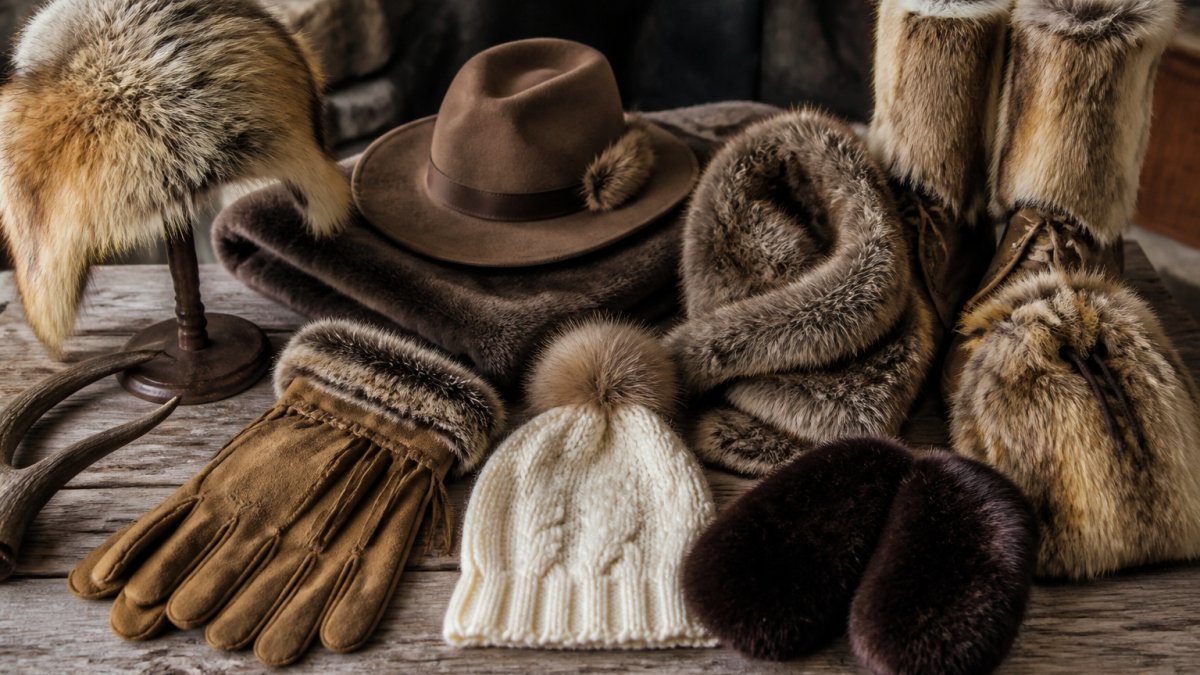
This guide from Campbell Fine Furs covers the ten accessories we would actually build a mountain winter around, from warm fur hats and fur mittens to neck gaiters, ear warmers, and layering pieces for winter hiking and winter camping.
The single biggest mistake newcomers make is buying one heavy item instead of a system. A thick coat over a cotton t-shirt and bare hands still leaves you cold.
Quick Comparison: Top Winter Accessories at a Glance
| Accessory | Primary Job | Best Conditions | Key Material Consideration |
|---|---|---|---|
| Fur hat | Traps heat at the head and ears | Deep cold, wind, daily wear | Natural fur for warmth and wind resistance |
| Fur mittens | Keeps fingers together for shared warmth | Deep cold, low dexterity tasks | Fur or wool over a liner |
| Scarf or neck gaiter | Seals the gap at the collar | Windy days, active movement | Wool, fleece, or fur |
| Ear warmers or balaclava | Covers ears and face | Wind chill, exposed ridgelines | Fleece band or full face coverage |
| Layering base and mid | Manages moisture and insulation | Winter hiking, active days | Wool base, fleece mid |
| Insulated vest | Core warmth without bulk | Shoulder seasons, active days | Down or synthetic fill |
| Warm socks and footwear | Keeps feet dry and warm | Snow, slush, long days out | Wool blend, waterproof shell |
| Waterproof shell | Blocks wind, snow, and sleet | Storms, wet snow | Weather-resistant outer layer |
That table is the short version. The rest of this article explains how each piece works and how to combine them.
1. Warm Fur Hats: The Foundation of Cold-Weather Comfort
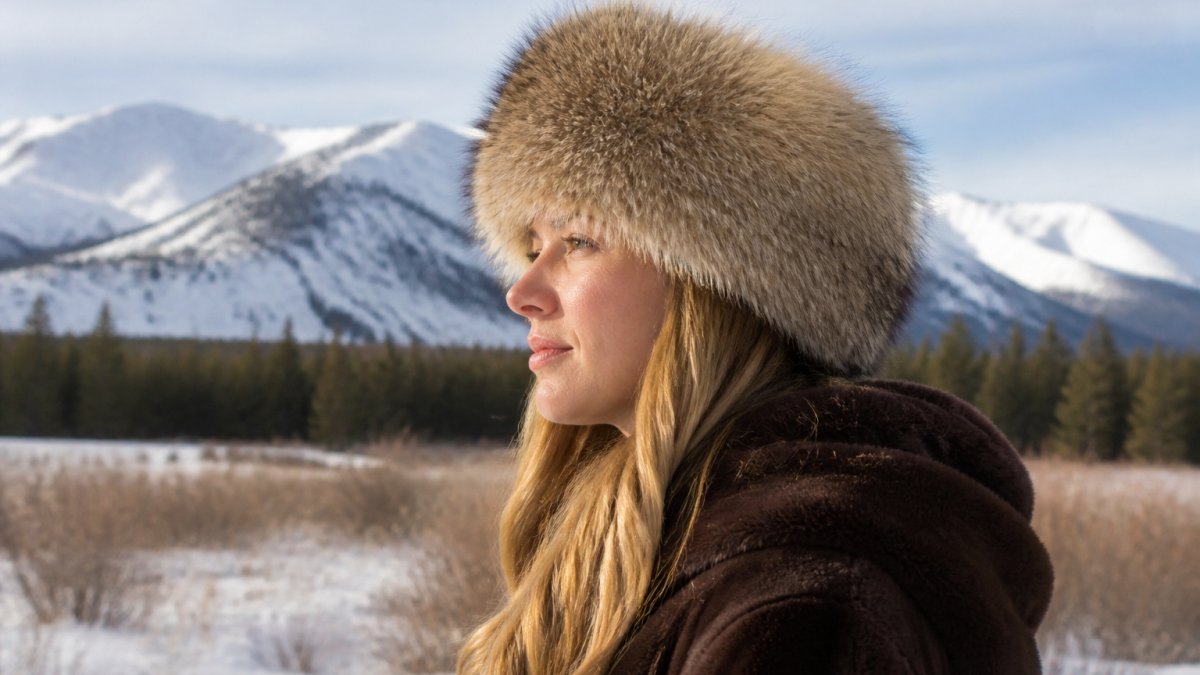
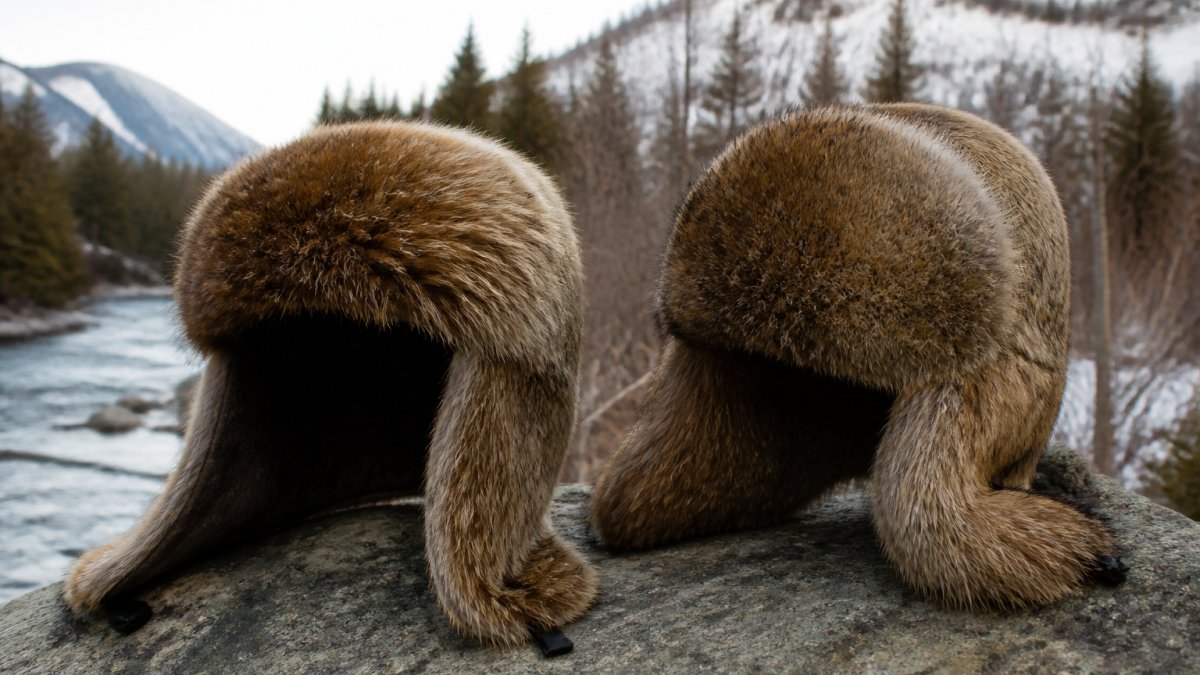
Warm fur hats are the single highest-value accessory in a mountain wardrobe because the head and neck radiate a large share of body heat when uncovered. A hat that blocks wind and holds warmth changes how the entire rest of your outfit feels.
Natural fur has a structural advantage here. Individual hairs trap air and shed wind, and the dense underfur insulates even when the surface is damp. That combination is hard to replicate in a thin knit.
What to Look for in a Fur Hat
- Coverage: It should come down over the ears and sit low on the forehead.
- Wind resistance: Dense fur blocks wind that cuts straight through loose acrylic knits.
- Lining: A smooth interior lining reduces friction and helps the hat hold its shape.
- Fit: Snug but not tight. A hat that lifts when you turn your head will let cold air in at the ears.
- Durability: Quality fur should not shed heavily with normal wear. Cheap fur trim often does.
A common complaint we hear is that a hat shed badly after one or two seasons. That usually traces back to how the pelt was handled, not to fur as a material. Ask how the fur was sourced and finished before you buy.
2. Fur Mittens: Why They Outperform Synthetic Gloves
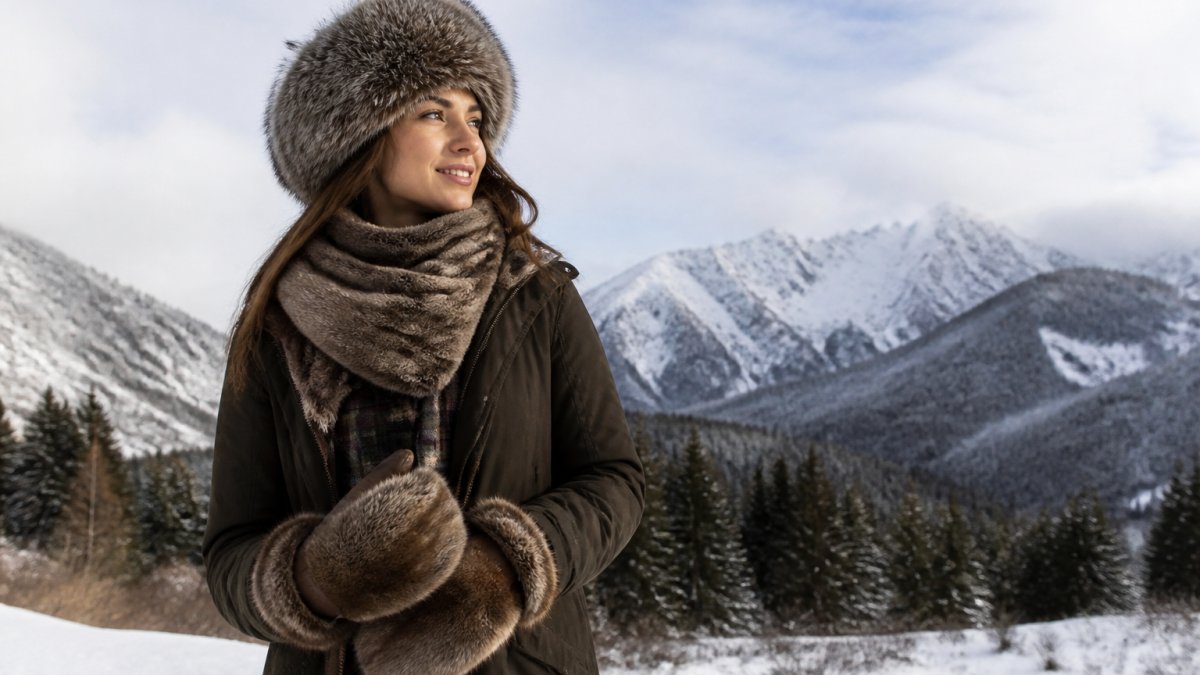
Fur mittens keep hands warmer than gloves of similar weight because the fingers share one heated space instead of being separated into five thin compartments. If you spend long stretches standing still, mittens are the better call.
The trade-off is dexterity. You cannot easily work a zipper, tie a knot, or handle a small buckle in mittens. Our advice: carry a thin liner glove underneath so you can slip a mitten off for a minute without exposing bare skin.
Mittens vs. Gloves: Which Keeps Hands Warmer?
Mittens win on warmth. Gloves win on control. For winter hiking where you are moving and generating heat, gloves or a glove-and-mitten combo works well. For winter camping, ice fishing, or standing watch in the cold, mittens are the clear choice.
Cold stress guidance from the National Institute for Occupational Safety and Health explains how quickly unprotected skin loses heat in wind, which is why the mitten-versus-glove choice matters more than most people expect.
- Mittens: Warmest, best for stationary cold, less dexterity.
- Gloves: Better grip and control, colder fingers in deep cold.
- Convertible mittens: Flip-back finger covers give you both, at a small warmth cost.
3. Scarves and Neck Gaiters: Protecting Your Core Heat
A scarf or neck gaiter seals the gap between your coat collar and your chin, and that gap is where a surprising amount of heat escapes. Covering the neck also protects skin that is otherwise fully exposed to wind.
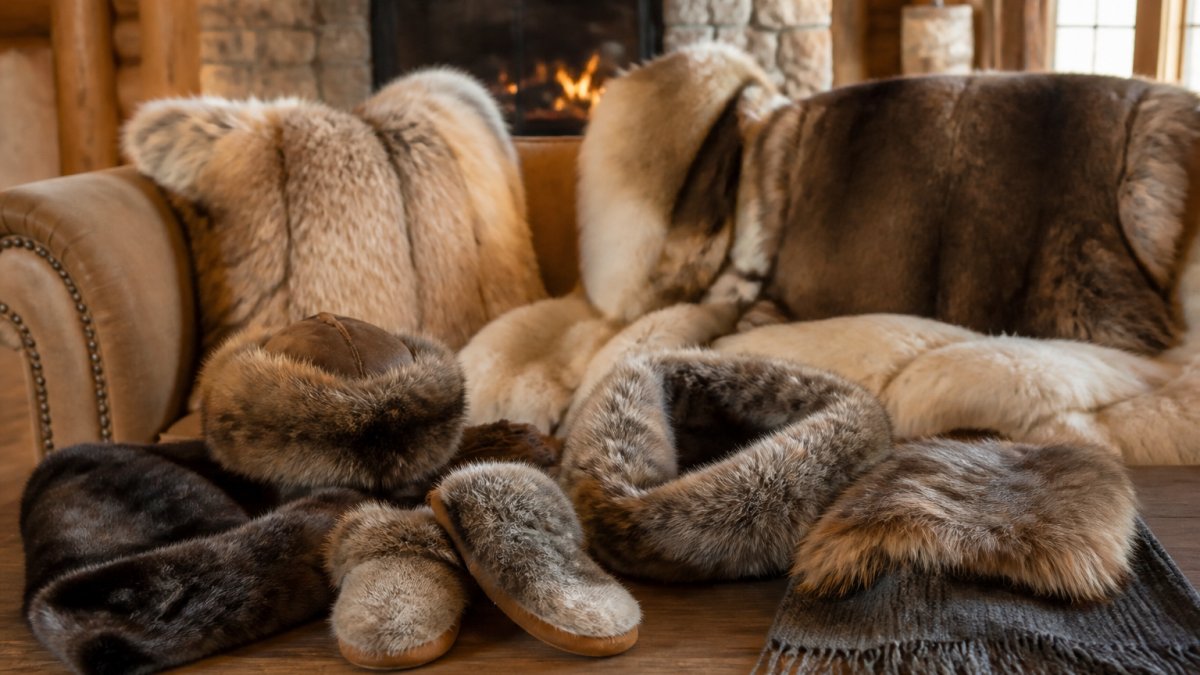
Wool and fleece gaiters work well for active days because they stay put and breathe. A fur scarf or fur collar adds warmth and wind resistance for slower days and everyday wear around town.
The practical rule: if you can feel cold air moving down your collar, you have a gap to close. Fix that before you add another layer to your torso.
4. Ear Warmers, Earmuffs, and Balaclavas for Wind Chill
Ear warmers and earmuffs cover the ears without adding a full hat, which suits mild days or times when you want to wear a cap for style. A balaclava covers ears, neck, and face at once, and it is the piece to reach for when wind chill is the real threat.
Fit matters more than material here. A balaclava that gaps at the nose will fog your glasses and still leave skin exposed. Look for one that sits close to the face and tucks cleanly under a collar.
- Ear warmers: Best for mild cold and short trips.
- Earmuffs: Good for daily errands and commuting on foot.
- Balaclava: Best for exposed ridgelines, wind, and deep cold.
5. Winter Hiking Essentials: Layering for the Trail
Winter hiking essentials start with a base layer that moves moisture away from your skin. Cotton holds sweat against your body and then chills you the moment you slow down, so leave it at home.
Build the trail system in three parts: a wool or synthetic base layer, a fleece or wool mid layer for insulation, and a weather-resistant shell for wind and snow.
Winter hiking safety guidance from the National Park Service stresses checking conditions and daylight before you go, which matters more in the mountains than almost anywhere else.
6. Winter Camping Accessories: Overnight Warmth and Safety
Winter camping accessories are a different category from day-trip gear because you are not generating heat while you sleep. Warm socks, a dry hat, and mittens you keep inside the sleeping bag matter as much as your bag rating.
Moisture management becomes critical overnight. Change out of the base layer you hiked in, even if it only feels slightly damp, and keep a dedicated dry hat for sleeping. A fur hat works well here because it stays warm even when the air is still and damp.
- Dry sleep hat: Keep one hat that never leaves the tent.
- Warm socks: Wool blends, plus a spare dry pair.
- Insulated vest: Adds core warmth without restricting your arms.
- Waterproof shell: Protects against wet snow and overnight wind.
7. Building a Coordinated Layering System for Mountain Conditions
A coordinated layering system beats a pile of mismatched pieces every time.
Start with the pieces you wear every day, then add specialist items for hiking and camping. Most people find that three or four well-chosen accessories cover the majority of mountain winter conditions, and the rest is fine-tuning.
For sizing and compatibility, check how each piece fits with what you already own. A gaiter that bunches under a tight collar is worse than no gaiter at all.
8. Material and Performance: Fur Versus Synthetic
Fur and synthetics solve different problems. Fur is dense, wind-resistant, and warm, and it holds up over many seasons when it is properly made and cared for.
Neither is universally better. For high-output activities where you sweat heavily, synthetic and wool layers manage moisture better. For low-output cold, daily wear, and the pieces you want to keep for years, fur is hard to beat.
Material and insulation explainer from the U.S. Department of Energy is a useful primer on how insulation traps air, which is the principle behind both fur and synthetic fill.
9. Budget, Durability, and Value Over Time
Value in winter accessories is about cost per season, not sticker price. A cheap hat that sheds and loses shape after a year costs more over five years than a well-made one you keep wearing.
Pricing for fur accessories depends on the fur type, size, and construction, so we recommend checking current pricing on the product page rather than relying on a general range. If you are comparing options, weigh durability and warmth against how often you will actually wear the piece.
- Wear frequency: Everyday pieces justify higher quality.
- Repairability: Simple construction is easier to maintain.
- Care: Proper storage and cleaning extend life significantly.
10. Fit, Sizing, and Accessibility for Different Needs
Fit is where most winter accessory purchases go wrong. A hat that is slightly too large lets cold air circulate; mittens that are too tight restrict circulation and make hands colder, not warmer.
If you have limited hand strength or dexterity, look for mittens with wide openings and simple closures. If you wear glasses, a balaclava with a shaped nose panel reduces fogging. If you wear a helmet regularly, prioritize low-profile pieces that fit underneath.
When you are between sizes, size up for mittens and down for hats. That single rule prevents most of the fit problems we hear about.
What to Buy First
If you are building a mountain winter wardrobe from scratch, buy in this order: a warm fur hat, a neck gaiter or scarf, and a pair of fur mittens with liners.
Add ear warmers or a balaclava for wind, then layer in hiking and camping pieces as your activities demand. The system matters more than any single item.
Mountain winters do not reward guesswork. Browse our fur accessories to find a hat or pair of mittens that fits your conditions, or view all products to see the full collection.
Frequently Asked Questions
What are some must-have accessories for winter?
A warm hat, scarf or neck gaiter, gloves or mittens, and ear warmers form the core of any winter accessory kit. For mountain living, add a balaclava for wind protection and insulated socks. Natural materials like fur and wool regulate temperature better than synthetics in extreme cold. Prioritize items that cover your head, neck, and hands, since those areas lose heat fastest. A coordinated layering system keeps you comfortable whether you are hiking, commuting, or running errands.
What materials are best for warm winter hats and mittens?
Fur and wool outperform synthetics for warmth and durability. Fur naturally repels moisture and traps heat, while wool wicks sweat and stays warm even when damp. Sherpa lining adds extra insulation without bulk. For winter hiking essentials, choose mittens over gloves because fingers share heat more efficiently. Look for tight stitching and quality pelts to avoid shedding. Well-made fur accessories can last many seasons with proper care, unlike cheap alternatives that break down after one or two winters.
How should I choose winter accessories for changing mountain conditions?
Match your accessories to the specific conditions you face. Windy ridgelines call for a balaclava and a tight-weave scarf. Wet snow demands weather-resistant outer layers and fur that sheds moisture. For active winter hiking, choose breathable base layers under insulated vests and lighter mittens you can swap. For winter camping accessories, prioritize warmth and packability. A coordinated system with interchangeable pieces handles temperature swings better than one heavy item.
Are fur accessories practical for milder winters or everyday wear?
Yes. Fur adapts to body temperature, so it works in milder cold without overheating the way heavy synthetics can. A lighter fur hat or fur mittens pair well with everyday coats for errands, commuting, or walking the dog. For mountain living, fur accessories double as style pieces and functional gear. They also resist odor and moisture better than fleece, making them a practical choice beyond deep winter or extreme conditions.