 blog
Beaver Fur Trapper Hat: Full-Fur vs Lined Guide
Table of Contents
- Why a Beaver Fur Trapper Hat Beats Synthetic Winter Hats
- Full Fur Beaver Hat vs Fur-Lined vs Fur-Trimmed: Side-by-Side
- Beaver Fur vs Other Fur Types: What the Difference Means in the Cold
- Leather Trapper Hat With Beaver Fur Lining: When the Hybrid Wins
- Beaver Fur Hat Sizing: Getting the Fit Right the First Time
- Beaver Fur Hat Care: Storage, Cleaning, and Repair That Extend Its Life
- How to Spot Genuine Beaver Fur and Judge Quality Before You Buy
- Conclusion
- Frequently Asked Questions
Last Updated: October 21, 2026
Why a Beaver Fur Trapper Hat Beats Synthetic Winter Hats
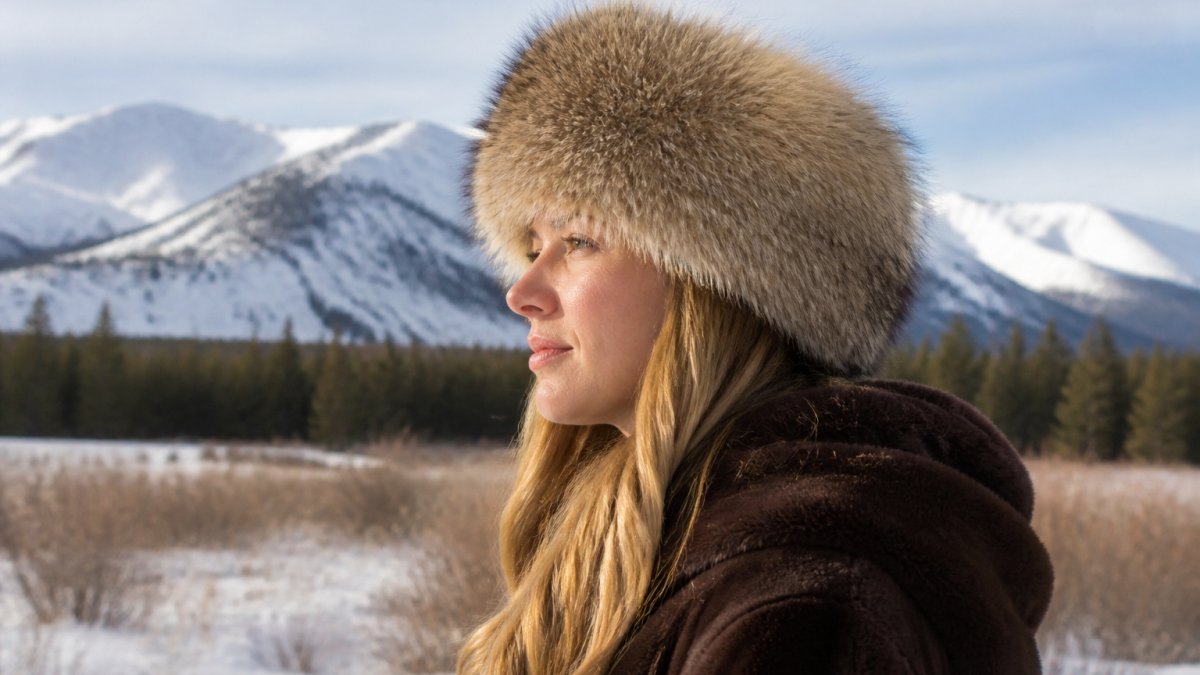
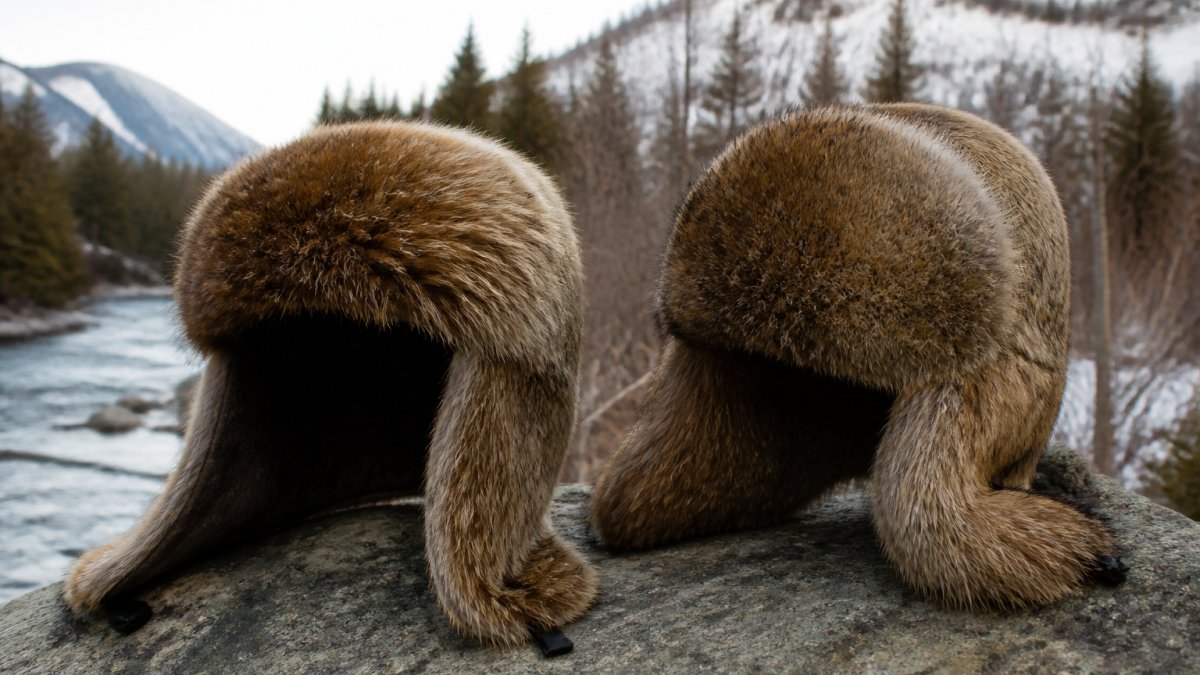
A beaver fur trapper hat is a winter hat built from genuine beaver pelt, usually with ear flaps that fold down over the ears and a leather bill at the front.
At Campbell Fine Furs, we build and sell fur accessories for people who spend real time outdoors, and the question we hear most is some version of: why pay for fur when a modern synthetic hat costs less? Here is the honest answer.
There is a durability story here too. A well-made fur hat can be repaired, re-lined, and handed down. A synthetic hat with a broken zipper or a flattened fill usually goes in the trash.
Full Fur Beaver Hat vs Fur-Lined vs Fur-Trimmed: Side-by-Side
The three main construction styles are a full fur beaver hat, a fur-lined hat, and a fur-trimmed hat.
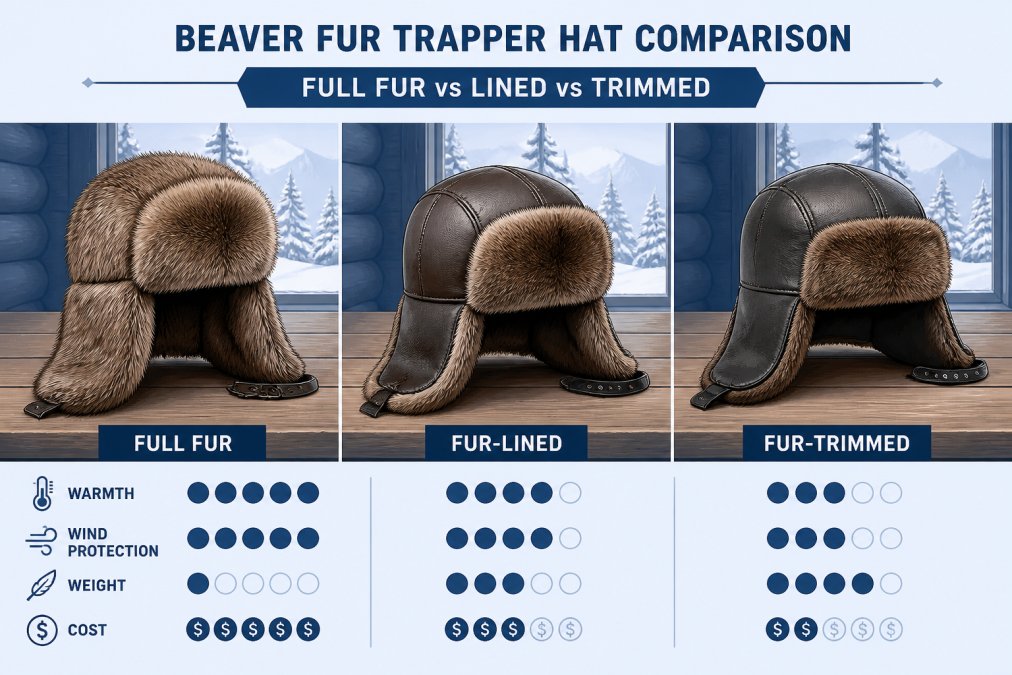
A full fur beaver hat is fur on the crown, sides, and ear flaps. It offers the most warmth and the most wind protection.
A leather trapper hat with beaver fur lining uses leather on the outside and fur against your head. You get weather resistance from the leather and warmth from the fur where it touches you.
A fur-trimmed hat uses fur only as an accent band or flap edge. It is the dressiest option and the least warm. Treat it as a style piece, not a cold-weather tool.
| Style | Warmth | Wind Protection | Weight | Best For |
|---|---|---|---|---|
| Full fur beaver hat | Highest | Highest | Heaviest | Deep cold, extended outdoor time |
| Leather with fur lining | High | High | Moderate | Everyday wear, mixed conditions |
| Fur-trimmed hat | Low | Low | Lightest | Style, mild winter days |
Beaver Fur vs Other Fur Types: What the Difference Means in the Cold
Beaver fur is the benchmark for winter fur hats because of how its two layers work together. The dense underfur traps a layer of still air against your head, and the longer, glossier guard hairs on top shed snow and deflect wind. That combination is why beaver stays warm in damp cold where a synthetic fill matures into a soggy, non-insulating pad.
The alternatives you will see in trapper-style hats are not inferior so much as differently built. Here is how they actually compare on the things that matter in the cold:
| Fur type | Warmth for weight | Abrasion resistance | Feel | Typical trade-off |
|---|---|---|---|---|
| Beaver | High | High | Dense, smooth | Heavier and pricier than lighter furs |
| Muskrat | Moderate | Moderate | Softer, lighter | Less dense underfur; edges wear faster |
| Raccoon | High | Moderate | Long, fluffy guard hair | Bulk can feel heavy over the ears |
| Opossum | Moderate | Low | Very soft, light | Better for mild cold than deep cold |
| Mink | Moderate-high | Low | Sleek, dressy | Warm for its weight but not built for abrasion |
| Fur felt | Low-moderate | High | Firm, structured | Processed material, not a natural pelt; not a cold-weather match for beaver |
A few practical distinctions worth knowing before you choose:
- Underfur density is the warmth lever. Beaver packs more underfur per square inch than muskrat or opossum, which is why it holds warmth longer in wind and damp. If you part the fur and see mostly guard hair with a thin base, you are looking at a lighter, less insulating pelt.
- Guard hair length is the weather lever. Raccoon's long guard hair blocks wind well but adds bulk; beaver's shorter, denser guard hair sheds snow without the same volume.
- Abrasion shows up at the edges first. The bill, the flap folds, and the crown where you handle the hat are where cheaper furs wear thin. Beaver's tight structure holds up there; mink and opossum do not.
- Fur felt is a different category. It is a processed material used in dress and cowboy hats. It can be weather-resistant, but it does not deliver the loft-and-air-layer warmth of a natural beaver pelt.
The practical takeaway: if warmth per ounce and long-term durability matter most, beaver wins. If you want a lighter hat for moderate cold or a dressier look, muskrat, opossum, or mink can make sense, just match the fur to your coldest realistic day, not your average one.
Leather Trapper Hat With Beaver Fur Lining: When the Hybrid Wins
A leather trapper hat with beaver fur lining is the right pick when you want fur warmth without a full fur exterior.
This hybrid style wins in three situations. First, everyday wear: it looks less rustic than a full fur hat and pairs with a normal winter coat. Second, mixed weather: leather handles wet snow better than exposed fur on the outside.
What most guides miss is the lining material. A beaver-lined hat with a quilted satin lining over the fur slides on and off easily and protects the fur from your hair oils. A polyester lining is cheaper but traps moisture.
Beaver Fur Hat Sizing: Getting the Fit Right the First Time
Beaver fur hat sizing comes down to one measurement: the circumference of your head just above the ears and across the forehead, taken with a soft tape held snug but not tight.
Fit matters more with fur than with synthetic hats because fur has little stretch. A hat that is too tight will feel uncomfortable within an hour, and a hat that is too loose lets cold air circulate and defeats the purpose. Here is a measurement method that removes most of the guesswork:
- Measure twice, at different times of day. Head size shifts slightly; use the larger number.
- Measure over the hair you plan to wear under the hat. If you wear a bun or thick hair, measure with it in place or add a little allowance.
- Check the ear flaps folded down. They should reach below your earlobes; if they stop at the lobe, the hat is too small or the flaps are cut short.
- Confirm the bill sits at your brow. A bill that rides too high or presses too low signals a crown-depth mismatch, not just a circumference mismatch.
If you are between sizes, size up. You can wear a thin liner; you cannot stretch beaver.
Unisex sizing is common in trapper styles, so check the size chart rather than assuming a men's or women's cut. When a chart lists a range, aim for the middle of your measured range rather than the edge.
A final fit check before you commit: put the hat on, fold the flaps down, and turn your head side to side. The hat should stay put without pressing at the temples. If it shifts or pinches, try the next size up.
Beaver Fur Hat Care: Storage, Cleaning, and Repair That Extend Its Life
Beaver fur hat care is mostly about three things: keeping it dry, storing it properly in the off-season, and repairing small problems before they spread.
For daily care, shake off snow and brush the fur in the direction it lies with a soft brush.
For seasonal storage, clean the hat, place it in a breathable cotton bag, and store it somewhere cool and dry. Avoid plastic bags, which trap moisture. Cedar blocks help deter insects.
For repairs, deal with a loose stitch or a worn lining early. A lining can be replaced, and a good furrier can repair seams that a cheap hat would lose to the trash.
How to Spot Genuine Beaver Fur and Judge Quality Before You Buy
Genuine beaver fur has a dense, soft underfur you can part with your fingers and long, glossy guard hairs on top. If the fur feels wiry all the way through, or the base is thin and flat, it is not quality beaver.
Use this checklist before you buy:
- Part the fur. Dense underfur should be visible right down to the leather.
- Check the leather. It should be supple, not stiff or cracked.
- Look at the seams. Even, tight stitching signals real craftsmanship.
- Confirm the lining. Quilted satin over fur is a good sign; glued-in polyester is not.
- Ask about sourcing. Reputable sellers can explain where the fur comes from and whether recycled fur is used.
- Check the ear flaps and bill. Leather should be thick and evenly finished.
Recycled fur is worth asking about. It gives a traditional hat a second life and is a responsible option for buyers who care about sourcing. A seller who can answer sourcing questions clearly is a seller worth trusting.
Conclusion
The hard part of buying a beaver fur trapper hat is not finding one. It is telling a well-built hat from a cheap imitation before you spend your money.
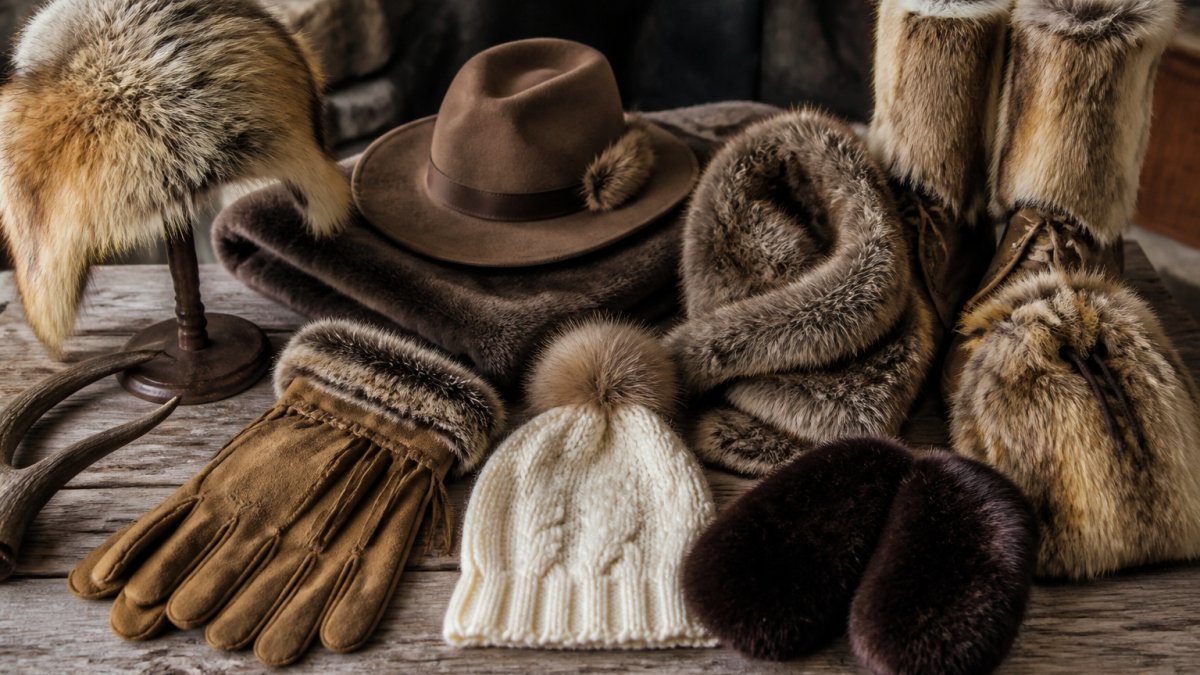
At Campbell Fine Furs, we make high-quality, artisanal fur hats, scarves, and mittens with the same traditional craftsmanship we bring to everything we sell. If you want a hat built to handle real winter and last for years, browse our fur accessories and find the style that fits how you actually spend your time outdoors.
Frequently Asked Questions
How warm is a beaver fur trapper hat?
Beaver fur is dense and naturally water-resistant, which makes a beaver fur trapper hat one of the warmest options for cold weather. The ear flaps cover the sides of the head and neck, and the fur traps body heat while blocking wind. A full-fur hat with a quilted satin or polyester lining holds warmth better than a leather shell alone. For deep winter, full fur or a thick beaver fur lining gives the most coverage; for milder cold, a fur-trimmed leather trapper hat is usually enough.
How should a beaver fur trapper hat fit?
It should sit snug but not tight. Measure your head circumference with a soft tape just above the ears, then check the maker's sizing chart for beaver fur hat sizing. You want the hat to stay put in wind without pressing on your forehead, and the ear flaps should fold down to cover your ears completely without pulling. If you're between sizes, size up slightly, since fur can be adjusted and a hat that's too small will feel uncomfortable on long cold days.
What is the difference between a full-fur hat and a fur-lined trapper hat?
A full fur beaver hat is built with fur on the outside as well as the inside, so you get maximum warmth and wind protection. A fur-lined trapper hat uses leather or another outer shell with beaver fur inside, often with fur-trimmed ear flaps. Full fur is warmer and more traditional in mountain man and Russian trooper styles; the leather version is lighter, more abrasion-resistant, and easier to wear for everyday use. Both keep you warm, but they suit different conditions.
How do you care for a beaver fur hat?
Shake it out after wear and brush the fur in its natural direction with a soft brush. Keep it dry: if it gets wet, shake off the moisture and let it air dry away from direct heat. Store it in a breathable cloth bag, not plastic, and keep it away from moths. For deeper cleaning or repairs, take it to a fur specialist rather than washing it yourself. Proper beaver fur hat care keeps the fur soft and the shape intact for years.
Winter does not wait for a hat that cannot keep up. Campbell Fine Furs offers handcrafted fur hats, scarves, and mittens made for genuine cold, with the quality and traditional design that synthetic gear cannot match. Explore our fur accessories and choose a hat built to last.