 blog
Coyote Fur Hat Guide: Styles, Fit, and Care
Last Updated: October 22, 2026
Quick Summary
A coyote fur hat is made from genuine coyote pelt, whose dense underfur traps warmth while longer guard hairs shed wind and let moisture escape. Choose a trapper style with full ear flaps for deep cold, and size up if you're between sizes because fur does not stretch.
- Coyote fur's two-layer coat holds warmth and blocks wind better than knit caps.
- Trapper hats with full ear and neck flaps suit hunting, trapping, and long cold exposure.
- Hinged ear-flap hats work best for commuting and variable indoor-outdoor days.
- Measure around the widest part of your head, about one inch above the eyebrows.
- Never machine wash or dry fur; shake, brush, and air dry away from direct heat.
Table of Contents
- Why a Coyote Fur Hat Beats Synthetic Winter Headwear
- Coyote Fur Hat Styles: Trapper, Mountain Man, and Beyond
- Coyote Fur Hat With Ear Flaps: Coverage That Matters
- What Goes Into a Handmade Coyote Fur Hat
- Sizing and Fit: Getting Your Head Size Right
- Coyote Fur Hat Care: Storage, Cleaning, and Repair
- Sourcing, Value, and What to Ask Before You Buy
- Frequently Asked Questions
Why a Coyote Fur Hat Beats Synthetic Winter Headwear
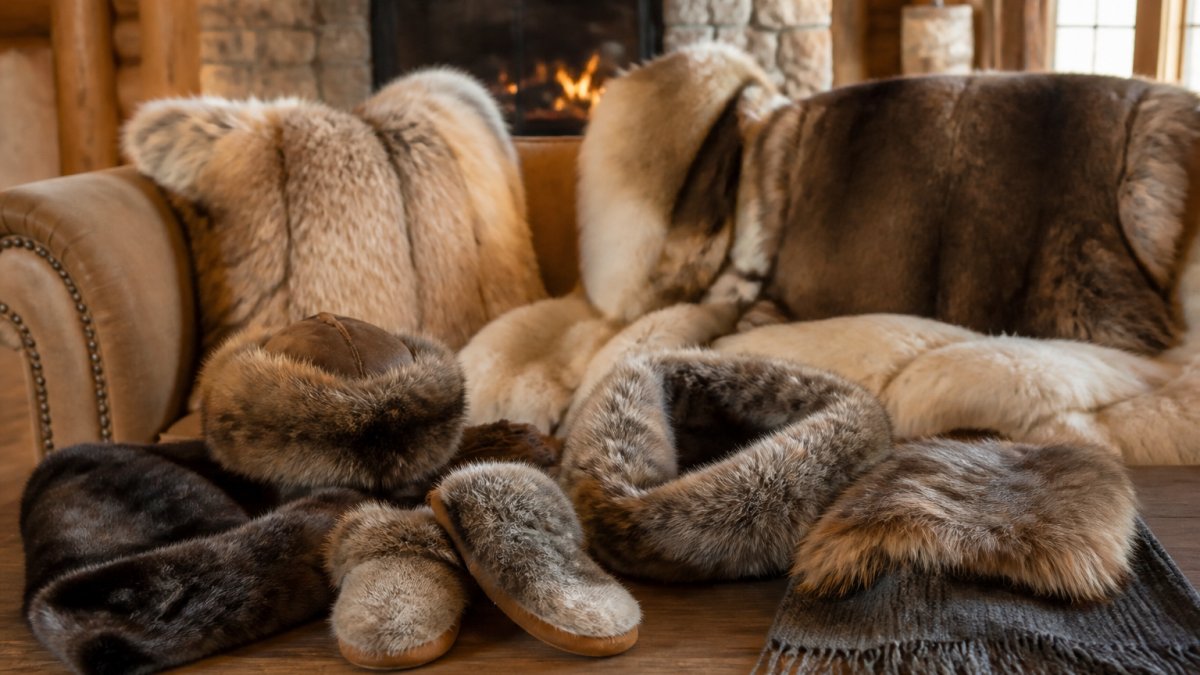
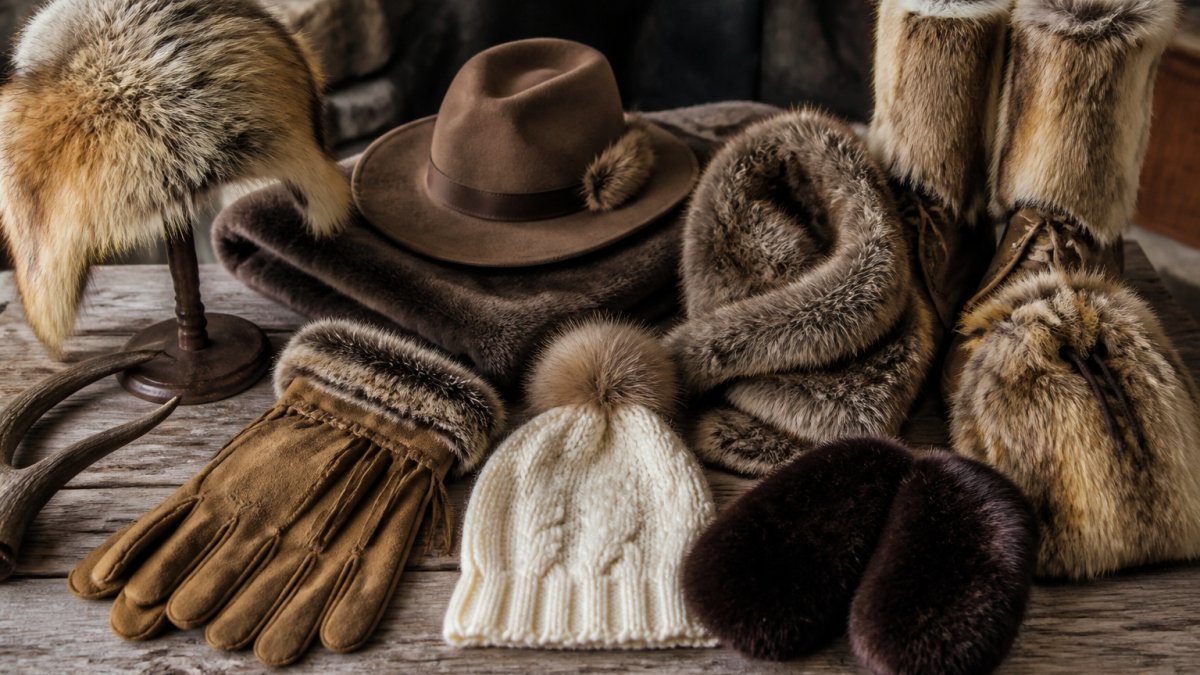
A coyote fur hat is built from genuine coyote pelt and outperforms synthetic headwear where it matters most: wind, deep cold, and long exposure. At Campbell Fine Furs, we handcraft fur hats, scarves, and mittens.
Synthetic hats trap heat but block airflow, so moisture builds against your scalp. Once damp, they stop insulating and start chilling you.
That difference is why trappers, hunters, and cold-climate residents keep coming back to fur. Below, we cover styles, fit, construction, and care so you choose right the first time.
How Coyote Fur Handles Cold and Wind
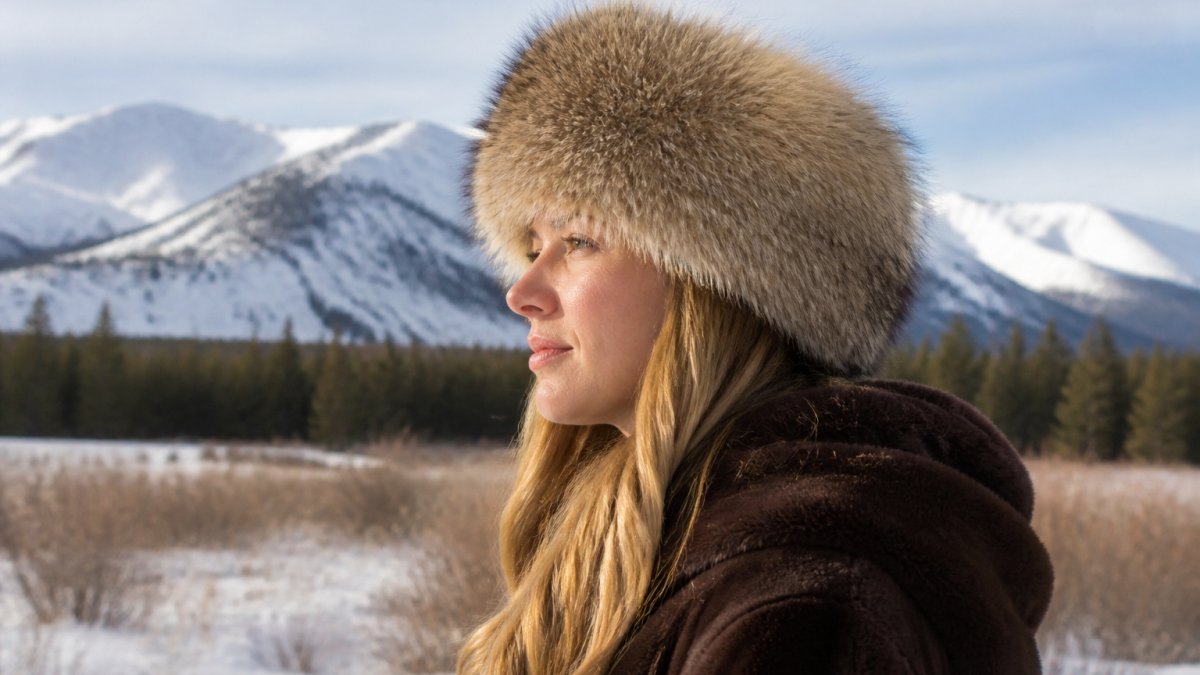
Coyote fur is a two-layer system: short, dense underfur traps body heat, while longer guard hairs form a wind-resistant shell. That is why a coyote fur hat holds warmth a knit cap cannot match.
Wind is the real test. A wool beanie lets gusts cut through; guard hairs on a coyote pelt deflect moving air before it reaches the insulating layer.
The trade-off: fur is heavier than foam or synthetic fill and does not pack into a pocket.
Coyote Fur Hat Styles: Trapper, Mountain Man, and Beyond
Style comes down to coverage and character. These four families cover nearly every buyer, from practical trapper to historical reenactor.
| Style | Coverage | Warmth profile | Best for | Character |
|---|---|---|---|---|
| Coyote fur trapper hat | Full ear and neck flaps | Highest; seals ears and nape | Hunting, trapping, deep cold, long exposure | Practical, rugged |
| Mountain man hat | Tall crown, wide fur band | High; extra crown volume holds heat | Reenactment, rustic wear, statement | Bold, traditional |
| Coonskin-inspired cap | Snug skull cap with tail | Moderate; less ear coverage unless flaps added | Casual winter wear, gifts | Playful, historical |
| Ear-flap coyote hat | Hinged or fixed flaps | High with flaps down; moderate up | Everyday cold-weather commuting | Versatile, understated |
The Coyote Fur Trapper Hat Explained
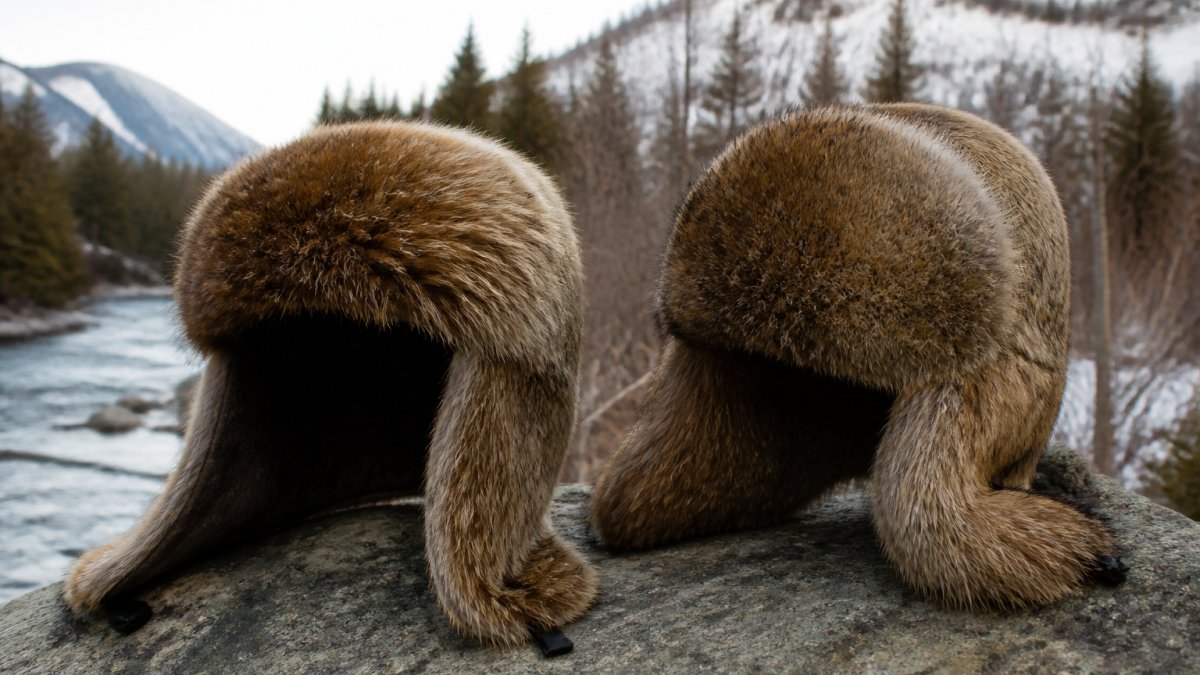
A coyote fur trapper hat is the workhorse of the category: a fur crown with ear flaps that fold down over the ears and often extend to the neck. The design traces back to northern trappers who needed their ears intact after hours in the cold.
The flap geometry makes the trapper shape useful. Folded up, it looks like a standard winter hat; folded down, it seals the ears and the back of the neck, where a lot of heat escapes when you stand still.
Mountain Man and Coonskin-Inspired Designs
Mountain man hats lean into history: tall crowns, wide fur bands, sometimes a full animal face worked into the front. They are statement pieces as much as cold-weather gear.
Coonskin-inspired caps take the same spirit in a smaller package: a snug fur cap with a tail at the back. Coyote fur gives that silhouette a denser, more durable finish than the raccoon versions most people picture, and it makes a gift with character.
Ear-Flap Coyote Hats: The Everyday Compromise
Ear-flap hats sit between the trapper and simpler caps. Fixed flaps stay down permanently for maximum coverage with no fuss; hinged flaps tie up over the crown indoors and drop down outside. Hinged is more versatile, fixed is warmer and simpler. For commuting and variable indoor-outdoor days, hinged flaps are usually the better call.
How to Choose Between Them
Match the style to your actual winter, not to a marketing photo:
- Long hours outdoors in deep cold or wind: trapper with full flaps.
- Variable days, in and out of buildings: ear-flap hat with hinged flaps.
- Reenactment, photos, or a gift with character: mountain man or coonskin-inspired.
- Milder winters or short outings: coonskin-inspired or a lighter ear-flap style.
Coyote Fur Hat With Ear Flaps: Coverage That Matters
A coyote fur hat with ear flaps solves the biggest heat-loss problem in winter headwear. Your ears have very little insulating tissue, so they chill fast and hurt when they do; proper flaps change the entire experience of a cold day.
Fit around the flaps matters as much as the flaps. A loose flap lets wind sneak underneath, so look for flaps that sit close to the jawline and stay put when you turn your head.
What Goes Into a Handmade Coyote Fur Hat
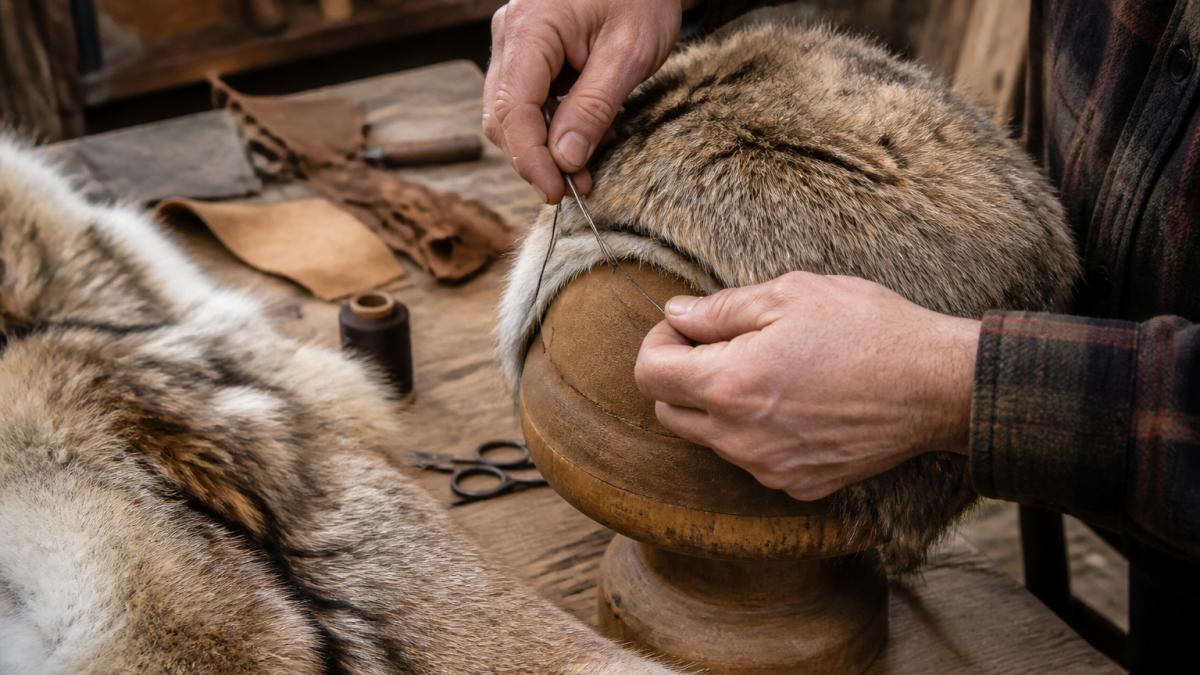
A handmade coyote fur hat is built from tanned pelts, cut and sewn by hand around a hat form so the shape holds.
Construction starts with the pelt: tanned, then cut so the fur runs in a consistent direction.
Fur Type, Pelts, and Interior Lining
Coyote is the star. Each fur type changes warmth, weight, and appearance.
The interior lining is where quality often hides. Ask what lines the hat before you buy, because a rough or thin interior is the first thing to wear out.
Sizing and Fit: Getting Your Head Size Right
Fit is the most common reason a fur hat gets returned or left in a closet. Most listings give a single size number and nothing else, so buyers guess. Here is the measurement process and the fit criteria that matter.
How to Measure Your Head
Use a soft tailor's tape, not a rigid ruler. Wrap it around the widest part of your head, about one inch above the eyebrows and just above the ears, keeping it level. Pull snug enough not to slip, not tight enough to compress your hair.
No soft tape? Use string, mark it, and lay it against a ruler. Do not measure across the ears themselves; that adds length and pushes you into a hat that is too large.
Turning Head Circumference Into a Hat Size
Most fur makers build to standard head sizes keyed to circumference. A common pattern is:
| Head circumference | Typical hat size |
|---|---|
| 21 in | Small |
| 22 in | Medium |
| 23 in | Large |
| 24 in | X-Large |
Treat that as a starting point, not gospel. Makers vary and fur has less stretch than a knit cap, so confirm the maker's own chart. If you land between two rows, size up and use the adjustable fit to take up the slack.
How a Fur Hat Should Actually Fit
A fur hat should feel snug but not tight: it should not slide when you turn your head or press hard enough to leave marks. Three checks tell you whether the fit is right:
- The shake test. Turn your head side to side and nod. The hat should stay put without you holding it.
- The ear-flap check. With flaps down, they should sit close to the jawline and stay there when you turn. Loose flaps let wind sneak underneath.
- The brow check. The front edge should sit just above the eyebrows. Too high and you lose forehead coverage; too low and it presses on your brow.
Fur has some give but will not stretch like a knit cap. A hat that is tight out of the box stays tight, so sizing up and adjusting down is safer than sizing down and hoping.
Adjustable Fit Features to Look For
Some fur hats include adjustment. Common features:
- Drawstring or chin strap. Lets you cinch the hat down in wind and loosen it indoors.
- Adjustable interior band. A leather or webbing band with a buckle or hook-and-loop closure takes up slack without changing the exterior shape.
- Hinged ear flaps. Not a fit feature exactly, but hinged flaps let you regulate temperature and keep the hat seated when flaps are up.
Ask the maker which features the hat has. A fixed-size hat with no adjustment is unforgiving if your measurement is off by even a little.
If You Are Between Sizes
Size up. A slightly loose fur hat with an adjustable band is comfortable and warm; a tight one is neither and will not break in like leather boots. Fur holds the shape it was built around.
Coyote Fur Hat Care: Storage, Cleaning, and Repair
Proper coyote fur hat care comes down to three habits: keep it dry, store it clean, and never crush it.
For routine cleaning, shake the hat out and brush the fur in its natural direction with a soft brush.
Store the hat in a breathable bag, not plastic, away from moths, and stuff the crown lightly so it holds shape. Small seam fixes and lining replacements are straightforward for a skilled maker.
Sourcing, Value, and What to Ask Before You Buy
Value in a fur hat is about how many winters it delivers, not the lowest number on the tag.
Sourcing is the question we hear most. Ask where the pelts come from and how they are obtained.
Before you buy, run through these questions:
- What fur type and lining does the hat use?
- Are the seams hand-sewn?
- How does the maker describe their sourcing?
- What is the return or exchange policy on fit?
- Can the hat be repaired or relined later?
One more note: a fur hat is not only for the far north. In milder climates, a lighter style or fold-up flaps give you the look and warmth without overheating.
At Campbell Fine Furs, we handcraft fur hats, scarves, and mittens with the same attention we give every piece.
Frequently Asked Questions
Are coyote fur hats warm enough for winter?
Yes. Coyote fur has a dense undercoat and long guard hairs that trap body heat and block wind, which is why it performs well in cold, dry conditions. A coyote fur hat with ear flaps covers the ears and neck, the areas where heat loss is fastest. For deep cold, pair it with a fur-lined interior. In wet, heavy snow, brush off moisture promptly and let the hat air dry, since fur insulates best when it stays dry.
How should a coyote fur hat fit?
Measure your head circumference just above the ears and across the forehead, then compare it to the maker's size chart. A proper coyote fur hat sits snug but not tight, with room to slide a finger under the band. Ear flaps should fold down without pulling the crown.
How do you care for a coyote fur hat?
Shake out loose debris after wear and brush the fur in its natural direction with a soft brush. Store the hat in a breathable cotton bag away from sunlight, heat, and moths, never in a sealed plastic bag. Spot-clean leather trim with a damp cloth and mild soap, and avoid soaking the fur. For deeper cleaning or repairs, send the hat to a furrier. Proper coyote fur hat care keeps the pelt supple and the guard hairs intact for years.
What is the difference between a coyote fur hat and a trapper hat?
A trapper hat is a style, while coyote fur describes the material. Trapper hats have front and rear ear flaps, a leather or fur bill, and a rounded crown. A coyote fur trapper hat combines that shape with coyote pelt panels. You can also find trapper hats in fox, rabbit, or synthetic materials.
Cold weather does not compromise, and your headwear should not either. If you want a hat built to handle wind, deep cold, and years of use, Campbell Fine Furs offers handcrafted fur hats, scarves, and mittens made with genuine pelts and careful construction. Explore our selection, check the fit guidance, and choose a piece made to last. Get started with Campbell Fine Furs and find the hat that keeps you warm all season.