 how-to
How Long Do Real Fur Hats Last? A 2026 Care Guide
Table of Contents
- How Long Do Real Fur Hats Last? A Realistic Lifespan by Fur Type
- Signs Your Fur Hat Is Wearing Out (And What to Do About It)
- How to Prevent Fur Shedding Before It Starts
- How to Clean a Real Fur Hat Without Damaging the Pelt
- How to Store a Fur Hat for Seasonal and Long-Term Protection
- How Long Does a Fur Coat Last Compared to a Hat?
- Repair, Restoration, or Replacement: How to Decide
- Conclusion: Getting Decades of Wear From Your Fur Hat
- Frequently Asked Questions
Last Updated: October 7, 2026
How Long Do Real Fur Hats Last? A Realistic Lifespan by Fur Type
A well-made real fur hat can last 20 to 40 years with proper care, and some beaver felt hats pass down through two generations. That number surprises people who have watched a cheap fur accessory shed its way through a single winter.
At Campbell Fine Furs, we field this question constantly from customers in cold climates.
Below, we break down realistic lifespans by fur type, the warning signs of a hat on its way out, and the care routine that keeps fur fibers intact for decades.
Rabbit Fur vs. Beaver Felt vs. Other Fur Materials
Rabbit fur hats sit at the entry level. Expect 5 to 10 years of regular winter wear. Rabbit fur is soft and warm, but the fibers are finer and more fragile than denser pelts.
Beaver felt hats are the workhorses. A dense beaver felt hat holds its shape, resists moisture, and can last 20 to 40 years or more.
Here is a quick comparison:
| Fur Type | Typical Lifespan | Best For | Key Trait |
|---|---|---|---|
| Rabbit fur | 5-10 years | Light daily wear | Soft, warm, fine fibers |
| Beaver felt | 20-40 years | Heavy outdoor use | Dense, water-resistant |
| Shearling | 8-15 years | Casual winter wear | Wool-backed, cozy |
| Faux fur | 2-5 years | Fashion, mild winters | Synthetic, sheds easily |
The gap between rabbit and beaver is not marketing. It is fiber density. Denser pelts shed less, hold shape longer, and handle moisture better.
How Wear Frequency and Climate Change the Equation
Daily wear cuts a fur hat's life roughly in half compared with occasional use.
Climate matters just as much. Dry cold is gentle on fur. Wet, heavy snow and freeze-thaw cycles are not. Repeated soaking and drying weakens the hide and dulls the fur fibers.
So a beaver hat worn a few times a month in a dry climate could easily reach 40 years. The same hat worn daily in wet coastal winters might last 15 to 20. Neither hat is defective.
Signs Your Fur Hat Is Wearing Out (And What to Do About It)
Fur hats rarely fail overnight. They give you warnings first. Learning to read them lets you act before small problems become permanent damage.
Watch for these signs:
- Excessive shedding when you shake the hat or run a hand through the fur
- Bare patches where the hide shows through the fibers
- A stiff or cracking pelt, especially along the crown and brim
- Loss of shape, with the crown sagging or the brim losing its curve
- A musty smell that returns after cleaning
- Fraying lining that pulls away from the hat body
Shedding is the most common complaint. A little loose fiber in the first season is normal. Heavy shedding after two or three seasons usually points to a dry pelt or a hat that has been stored badly.
If you spot bare patches or a cracking pelt, stop wearing the hat and get it assessed. Small repairs are cheap. Full restoration is not.
How to Prevent Fur Shedding Before It Starts
Shedding is a storage and handling problem more often than a fur quality problem. Fix the habits and the fibers stay put.
Shake your hat out after every wear.
Keep fur away from heat. Radiators, car heaters, and direct sunlight all dry out the hide.
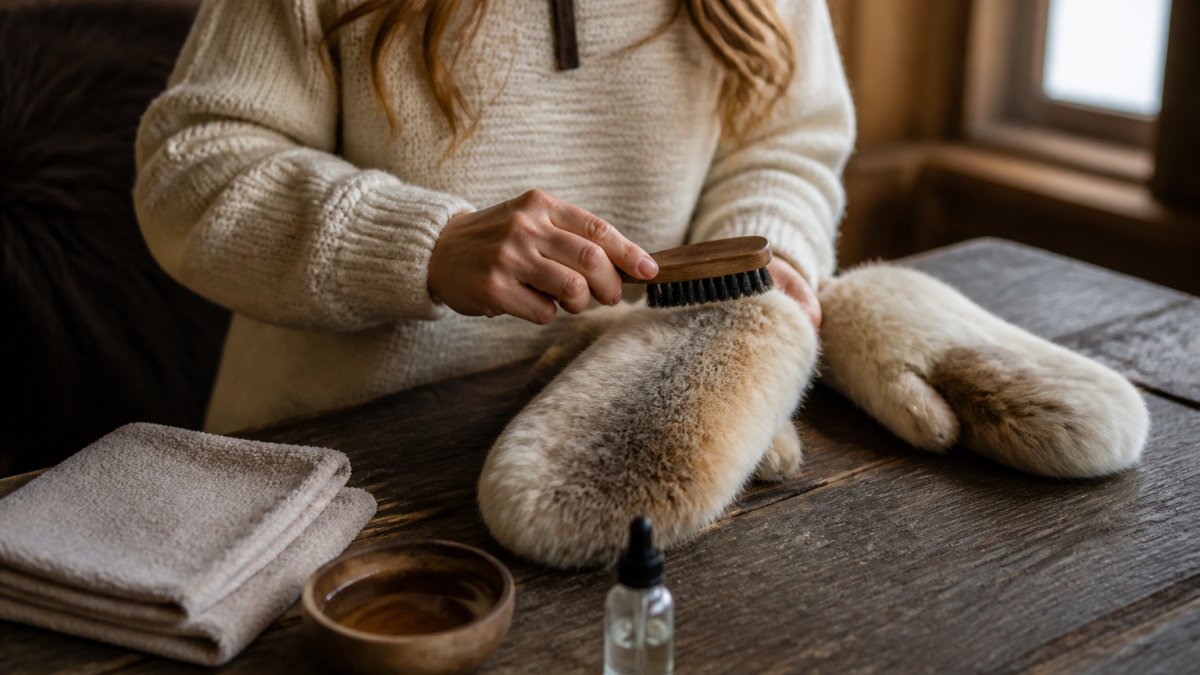
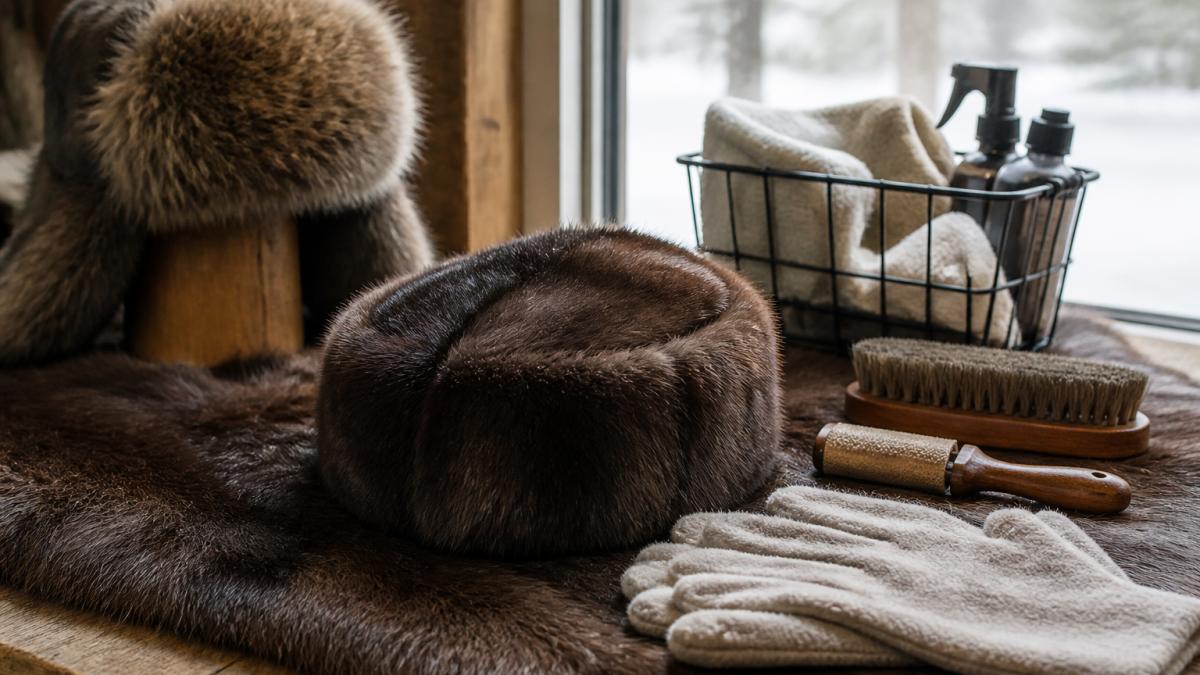
Brush the fur occasionally with a soft-bristled brush, working in the direction the fur naturally lies. This lifts dust and keeps the fibers from matting.
- Shake after every wear
- Keep away from heat sources
- Brush gently with the nap
- Never wet-comb or pull at tangles
- Rotate between two hats if you wear one daily
Rotating hats is an underrated trick. It gives each hat time to air out and recover between wears.
How to Clean a Real Fur Hat Without Damaging the Pelt
Most fur hats do not need deep cleaning. Spot cleaning and airing handle the vast majority of problems. Over-cleaning does more harm than under-cleaning.
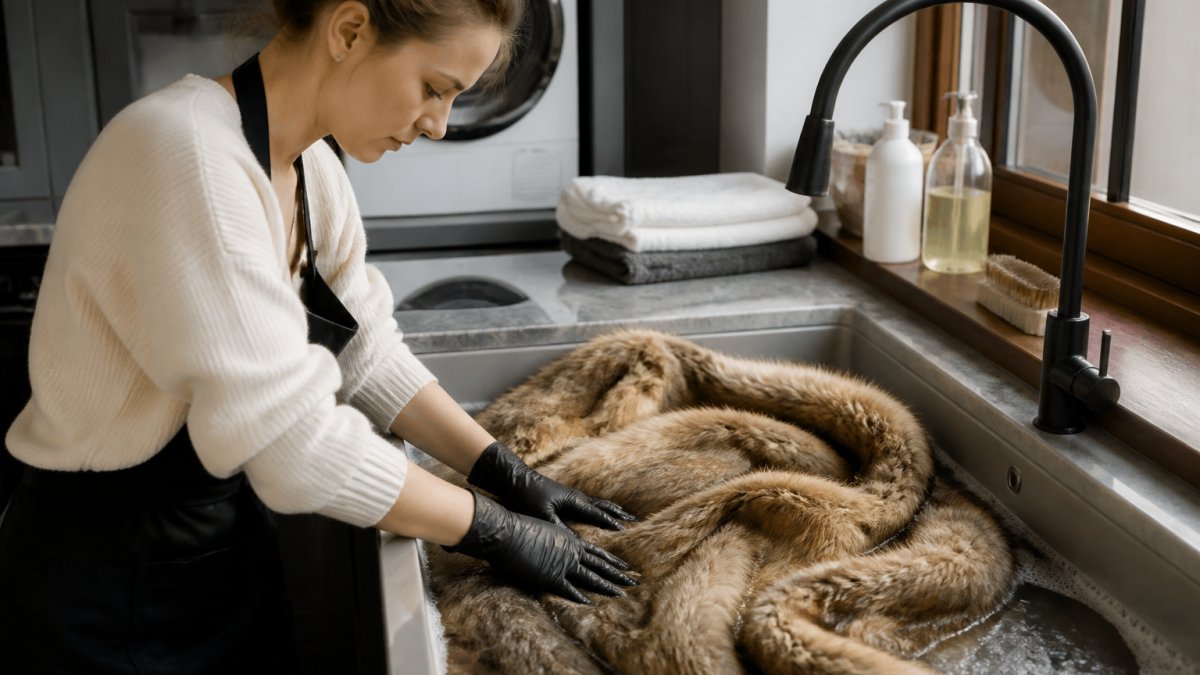
For light soil, wipe the fur with a damp cloth in the direction of the nap.
For deeper grime, take the hat to a fur specialist. Fur cleaning uses specific solvents and equipment that home methods cannot match.
If your hat gets caught in rain or snow, shake off the moisture and let it air-dry at room temperature.
How to Store a Fur Hat for Seasonal and Long-Term Protection
Good storage is the single biggest factor in how long a fur hat lasts. Most competitors stop at 'cool, dark, dry, breathable bag.' That is the floor, not the ceiling.
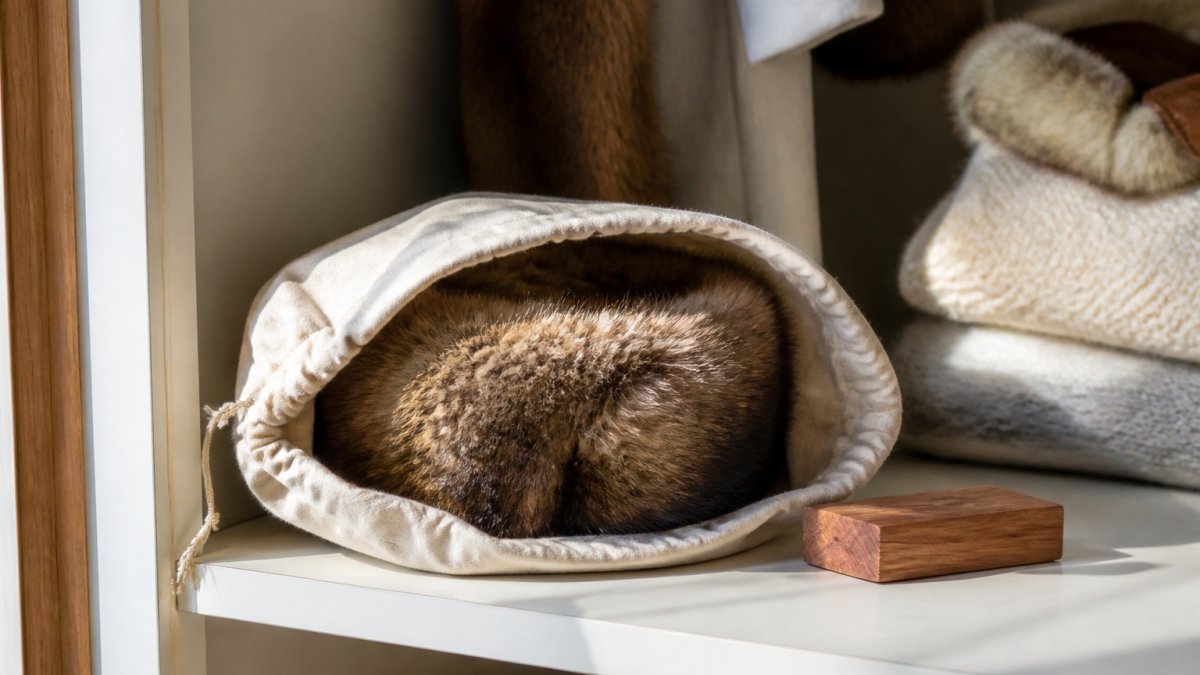
The Off-Season Routine, Step by Step
Do this once a year, at the end of the cold season, before the hat goes into storage. Doing it in the wrong order is why so many hats come out of the closet in fall already damaged.
- Clean before you store, not after. Any soil, skin oil, or perspiration left on the hat becomes a food source for pests and a breeding ground for mildew over the summer. Spot-clean the fur and wipe the inner band with a damp cloth, then let the hat air-dry completely.
- Let it dry for a full day. Never bag a hat that is even slightly damp. Trapped moisture is the fastest route to a stiff pelt and a musty smell.
- Shake out loose fibers. Hold the hat by the crown and shake firmly to release dust and any shedding fibers before storage.
- Place it in a breathable cotton bag. Never plastic. Fur needs airflow, and a sealed bag traps condensation against the hide.
- Add a natural pest repellent. Cedar blocks or cedar chips work well. Refresh or replace them each season, since cedar loses potency over time.
- Store flat or on a padded form. A hat stuffed into a tight space will take a crease that may never come out. A padded form or a clean, soft towel inside the crown holds the shape.
- Choose the right location. A cool, dark, dry closet shelf is ideal. Attics and basements are not, because both swing in temperature and humidity.
Pest Prevention: The Part Most Guides Skip
Moths and carpet beetles are the real threat to natural fur, and they do their damage quietly over the summer. A hat that looks fine in April can come out of storage in October with bald patches along the crown.
A few habits keep them away without harsh chemicals:
- Inspect the hat once a season, even in storage. Look inside the crown and along the inner band, where larvae prefer to feed.
- Keep cedar near the hat, but do not let it touch the fur directly. Direct contact can leave oils on the fibers.
- Store fur hats away from woolens and other natural-fiber items, which are common pest hosts.
- If you see fine webbing, small pellets, or a gritty residue, treat the hat as infested and get it assessed before wearing it again.
The Pre-Wear Inspection
Before the hat goes back into rotation in the fall, give it a two-minute check. Run a hand against the nap to feel for stiffness or bare spots. Look at the inner band for cracking. Smell the crown for any musty odor. Check the lining for loose stitching.
Get this routine right and you can add years to a hat's life. Get it wrong and even a well-made beaver hat can fail in a fraction of its potential lifespan.
How Long Does a Fur Coat Last Compared to a Hat?
A fur coat generally lasts longer than a hat, often 30 to 50 years with proper care.
Hats sit against skin and hair all day. They absorb oils, get pulled on and off, and take the brunt of weather. Coats hang on your shoulders and see far less handling.
That said, the care rules are identical. Clean before storage, store in a breathable bag in a cool dark place, and keep both away from heat and plastic. A coat stored badly will fail faster than a hat stored well.
Repair, Restoration, or Replacement: How to Decide
Not every worn fur hat needs replacing. Many problems are fixable, and repair is almost always cheaper than a new hat.
Use this framework:
| Problem | Best Move | Why |
|---|---|---|
| Loose stitching or lining | Repair | Cheap fix, extends life |
| Minor shedding | Improve care | Usually a storage issue |
| Small bald patch | Restoration | A specialist can blend fur |
| Cracked or stiff pelt | Assess first | May not be worth restoring |
| Widespread fiber loss | Replace | Restoration cost outweighs value |
For a beaver felt hat with decades of life left, restoration is almost always worth it. For a rabbit hat with a failing pelt across the whole crown, replacement usually makes more sense.
The deciding question is simple: how much life does the hat have left after the repair? If the answer is years, fix it. If it is months, replace it.
Conclusion: Getting Decades of Wear From Your Fur Hat
The gap between a hat that lasts five years and one that lasts forty is not the price tag. It is the care routine. Shake it out, keep it away from heat, store it in a breathable bag, and clean it sparingly.
At Campbell Fine Furs, we build fur hats, scarves, and mittens designed to hold up for the long haul. Our pieces use quality pelts and tasteful, traditional designs made for real cold-weather use.
Frequently Asked Questions
How long do real fur hats last with regular winter wear?
A well-made real fur hat worn daily through winter typically lasts 10 to 15 years before showing noticeable wear. Rabbit fur, being softer and finer, may last 5 to 8 years with heavy use, while beaver felt and denser pelts can hold their shape and warmth for 20 years or more. Rotating between two hats and storing them properly between seasons extends that range considerably.
What factors affect how long a fur hat lasts?
Four factors matter most: fur type, wear frequency, climate, and care routine. Dense pelts like beaver resist moisture and matting better than rabbit. Daily wear in wet, snowy conditions breaks down fur fibers faster than occasional wear in dry cold. Storing the hat in a breathable bag away from heat and direct sunlight prevents drying and cracking. Handling the hat by the brim rather than the fur also reduces shedding and oil transfer.
Can a real fur hat get wet, and does that shorten its life?
A real fur hat can handle light snow and brief rain, but saturation is the real problem. When fur gets soaked, the hide underneath can stiffen as it dries, and fur fibers mat together. If your hat gets wet, shake out the moisture and let it air-dry at room temperature, away from radiators, hair dryers, or direct sunlight. Never wring or brush wet fur. Drying naturally preserves the pelt and keeps the hat wearable for years longer.
How do you prevent a fur hat from shedding?
Shedding usually comes from dry fur fibers, rough handling, or storing the hat in plastic where condensation builds up. Brush the fur gently with the nap after each wear, keep the hide conditioned by storing it in a cool, dark place with some airflow, and avoid hanging the hat on a peg by the fur itself. If shedding is heavy and the pelt feels brittle, a professional furrier can recondition the hide before the damage becomes permanent.
A fur hat is an investment, and like any investment it rewards good stewardship. Whether you need a beaver felt hat for hard outdoor use or a rabbit fur piece for lighter wear, Campbell Fine Furs offers artisanal fur accessories built to last. Browse our hats, scarves, and mittens, and get a piece that brings the mountains to your wardrobe for years to come.