 How-to
7 Ways to Avoid Non-Target Catches With Lures
Last Updated: November 21, 2026
Quick Summary
The most effective way to avoid non-target catches is to choose lures that match your target species' diet, behavior and habitat, and to use the smallest hook that will reliably hold that species. Species-specific scents draw in the animal you want and fewer others, while broad-appeal scents pull in whatever is nearby.
- Start by listing your target species, then match each lure to one of them.
- Choose the smallest hook that will reliably hold your target species.
- Avoid general-purpose attractants, since they pull in whatever happens to be nearby.
- Fish the outside edge of cover and cast parallel to it to reduce snags and unintended hookups.
- Log each outing's lure, location and catch to see which setups reduce bycatch.
Table of Contents
- Understanding What Counts as a Non-Target Catch
- Choosing Lures for Target Species
- Selecting Lure Hook Size and Type
- Step-by-Step: Fishing Cover Without Constant Snags
- Troubleshooting Common Non-Target Catch Scenarios
- Handling and Releasing Non-Target Fish Safely
- Planning Your Next Outing to Reduce Bycatch
- Frequently Asked Questions
Trapping is about precision, and a lot of wasted effort comes from catching animals you never meant to catch, which is why keeping non-target catches to a minimum matters so much. Most of that comes down to lure choice, hook setup and where you put the lure. This guide walks through seven practical ways to keep non-target catches to a minimum.
Understanding What Counts as a Non-Target Catch
A non-target catch is any animal that a lure or set pulls in that you did not plan to take. In trapping, that can mean a neighborhood pet, a protected species or a smaller animal drawn in by a strong scent. In recreational lure fishing, it can mean a fish that takes a lure meant for a different species.
The term covers more than one situation, so it helps to be clear about which one you face. Ask yourself two questions: which animal am I after, and which animals share this habitat? The answers shape every decision that follows.
Common non-target situations include:
- Smaller animals triggered by a scent meant for a larger target
- Animals that find a set after the target has already been caught
- Fish that strike a lure outside their normal feeding pattern
Knowing the risks before you set up is the first step. Everything else in this guide builds on it.
Choosing Lures for Target Species
Lure choice is the most direct way to control what you catch. A lure that matches your target's diet, behavior and habitat draws in the right animal and fewer others.
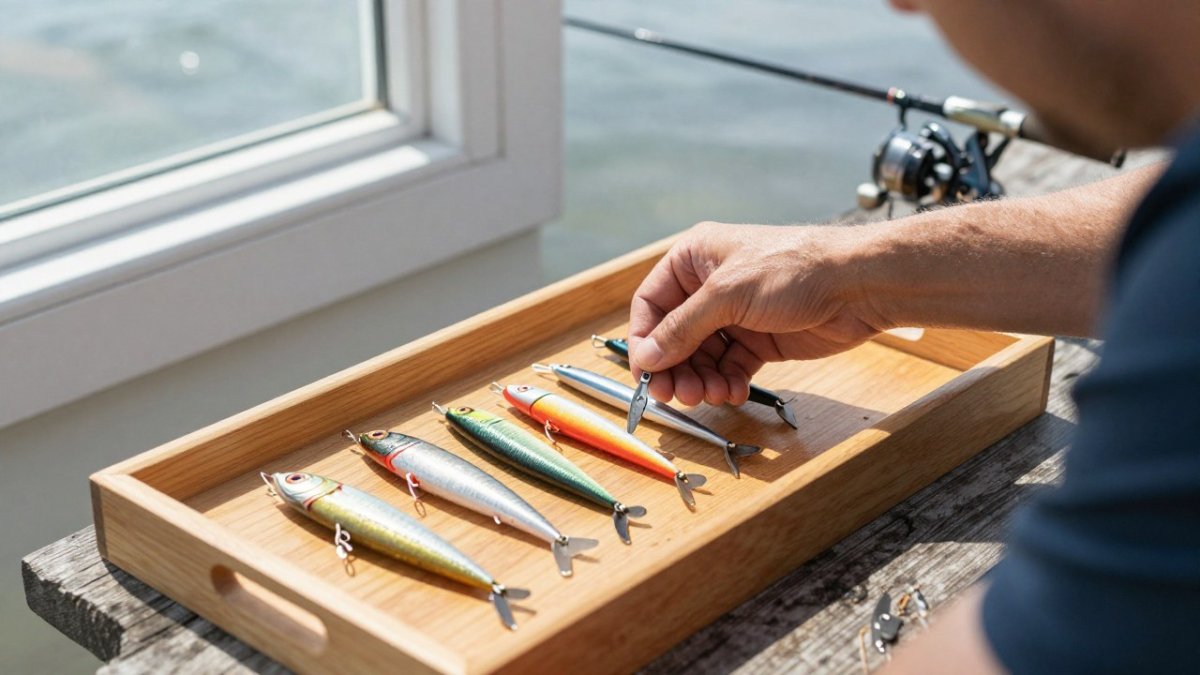
Start with a short list of target species. Then match each lure to one of them. Avoid general-purpose attractants, since they pull in whatever happens to be nearby. You can browse western predator lure options matched to specific animals to compare choices for your target species.
Matching Lure Action to Target Behavior
Different animals respond to different movement and presentation. A slow, subtle action suits cautious, pressured animals. A faster or more erratic action works for species that hunt actively. For coyote-specific guidance, see the coyote lure guide to narrow down which lures fit that animal's behavior. When you match the action to how your target actually behaves, you reduce the chance that other animals will commit to the lure. A beginner guide to lure effectiveness explains how these choices connect to target behavior.
A common mistake is choosing a lure because it looks good on the shelf. Instead, watch how your target moves through its habitat and choose the action that fits.
Avoiding Broad-Appeal Scents and Baits
Strong, generic scents attract many animals. Species-specific scents work better because they call in the animal you want.
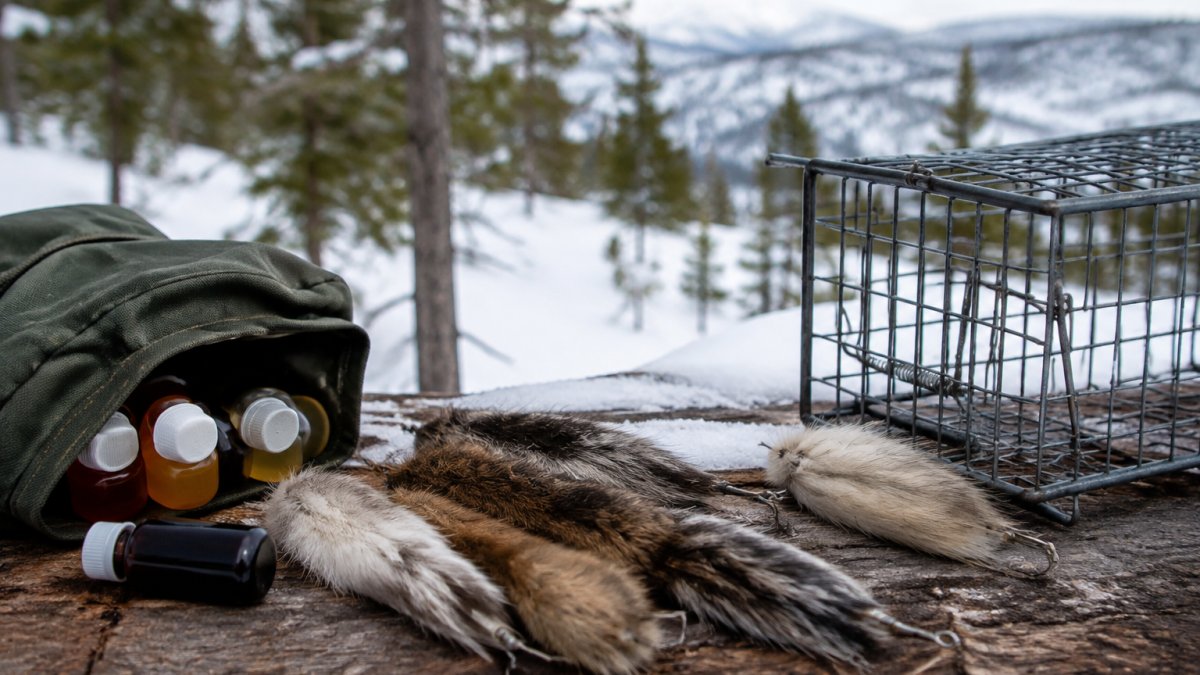
Campbell Fine Furs offers Western lures made with Andy Weiser's formulas.
Selecting Lure Hook Size and Type
Hook size and style control which animals can get hooked and how deeply. A hook that is too large can injure a small animal you did not intend to catch. A hook that is too small may fail to hold your target.
Choose the smallest hook that will reliably hold your target species. Check the hook's point, barb and gap against the size of the animal you expect. The field guide to western hunting lures covers scent-specific details to pair with your hook and setup choices. Replace dull or bent hooks, because they can cause longer, more painful holds for any animal that takes them.
Use this quick checklist before each outing:
- Hook size matches the target species
- Hook point is sharp and undamaged
- Hook type suits the presentation (single, treble or circle)
- Hold strength matches the expected weight of the target
Step-by-Step: Fishing Cover Without Constant Snags
Cover such as weed edges, laydowns, dock pilings and rock piles holds fish, but it also snags lures and pulls in species you did not plan to catch. The goal is not to avoid cover, it is to present a lure that your target can find and a non-target cannot easily commit to.
- Scout the cover before you cast. Note where the thickest weeds, the shallowest wood and the open-water seam sit. Fish the seam first. Predators that relate to cover usually hold on the outside edge, and casting the edge keeps your lure out of the thickest snag zone where panfish, turtles and frogs are most likely to intercept it.
- Match lure type to cover, not to the shelf. A weedless soft plastic rigged Texas-style or on a weighted swimbait hook slides through grass and wood with far fewer snags than an open treble-hook crankbait. A single-hook spinnerbait or chatterbait rolls over wood and deflects off rock. Reserve treble-hook baits for open water or sparse cover. Fewer exposed points means fewer non-target hookups, including turtles and birds that strike shiny moving baits near the surface.
- Cast parallel to the cover edge. A cast straight into the thick stuff buries the lure and forces you to drag it out, which is when most snags and most unintended catches happen. A parallel cast keeps the lure in the strike zone longer and lets you steer it along the seam.
- Keep the rod tip up and the line tight. A high rod tip lifts the lure over submerged wood and lets you feel the difference between a tick on structure and a take. A tight line also lets you set the hook quickly on your target instead of letting a smaller fish swallow the lure while you are still reeling up slack.
- Vary the retrieve instead of cranking. Short pauses, gentle twitches and a lift-and-drop cadence keep the lure in contact with cover without plowing into it. A steady fast retrieve is the most common cause of both snags and reaction strikes from non-target species that chase moving baits.
- Pull free gently. If you snag, slacken the line, let the lure settle, and work it out from a different angle before you yank. Yanking drives hooks deeper into wood and can send a freed lure flying back at you or into a fish.
- Move when unwanted catches stack up. Two or three non-target fish in a row from the same piece of cover is a signal, not bad luck. Change lure size, change color, or slide to the next edge. Repeated exposure also teaches fish in pressured cover to avoid the lure, so rotating spots protects the bite for later in the day.
Watch out: Fishing surface lures over weed mats in warm months is one of the most common ways to hook turtles and waterfowl. If birds or turtles are working the same mat, switch to a subsurface presentation or move on.
Troubleshooting Common Non-Target Catch Scenarios
Even with careful planning, unwanted catches happen. The table below summarizes common problems and fixes.
| Problem | Likely Cause | Fix |
|---|---|---|
| Frequent small-animal catches | Scent too broad | Switch to a species-specific lure |
| Fish take lures repeatedly | Fish are conditioned or pressured | Change action and lure color |
| Constant snags in cover | Retrieve too fast | Slow down and lift the rod tip |
| Hooks hold poorly | Hook too small | Use a stronger, correctly sized hook |
If you keep seeing the same unwanted result, change one variable at a time. That way you learn which change made the difference.
Handling and Releasing Non-Target Fish Safely
Sometimes an unwanted fish still ends up on the line, and how you handle those next thirty seconds decides whether it swims away.
Keep the fish in the water. Unhook fish in the water whenever you can, using a pair of long-nose pliers or forceps.
Wet your hands and your net. Dry hands and dry net mesh strip the slime coat that protects a fish from infection.
Match the removal method to the hook.
- Single hook in the lip or jaw: back the hook out the way it went in with pliers, keeping the fish upright.
- Treble hooks: work one point at a time and keep the other points away from your hand and the fish's gills. A hook file or side cutters in your bag makes short work of a stubborn treble.
- Deep or gut hooks: do not pull. Cut the line as close to the hook as you can reach and release the fish with the hook in place. Hooks left in the mouth or throat generally work free or rust out, and pulling a deep hook tears tissue and organs.
- Circle hooks: usually catch in the corner of the mouth, so a simple twist with pliers frees them with minimal damage.
Support the fish correctly. Hold larger fish horizontally with one hand under the belly and one at the wrist of the tail.
Revive before release. Hold the fish upright in the water with its head into the current until it holds itself level and kicks away on its own.
Planning Your Next Outing to Reduce Bycatch
Good planning cuts unwanted catches before you leave home. Think through your target, the habitat and the season before you pack.
Before you go, check:
- Which species are active in your area this season
- Which lures and scents match those species
- Which hook sizes and types you will bring
- Local regulations on the species you may encounter
Keep a simple log after each outing. Record the lure, location, weather and what you caught. Over time, the log shows which setups reduce bycatch and which ones do not. Small adjustments based on real results will do more for you than any single rule of thumb.
If you have questions about our Western lures or fur accessories, our team can help you choose the right product for your needs. Visit Campbell Fine Furs to browse the full range and find the right setup for your next outing.
Frequently Asked Questions
What is one way you can avoid capturing pets and other non-target animals?
Set lures and traps where pets and wildlife are unlikely to walk, and check your set often so nothing stays caught for long. Choosing a lure with a scent and profile suited to your target species, rather than a broad-appeal bait, also reduces the chance that a dog, raccoon or other animal will be drawn in. Keep unused bait sealed and stored away from areas pets can reach, and never leave a set unattended in a place where a non-target animal could be injured. Checking traps frequently is one of the simplest habits for limiting accidental captures.
How can I choose a lure that targets a specific fish species?
Start by matching the lure's size, color and action to what your target fish eats in the water you are fishing. Smaller, subtle lures suit selective species, while larger, louder lures tend to attract more general-appeal fish. Pay attention to depth and cover: a lure that works well in open water may pull in unwanted species when fished near structure. Testing a few presentations and noting which ones consistently produce your target species will help you build a reliable selection for your favorite spots.
How do hook size and style affect non-target catches?
A larger hook is less likely to be swallowed by small, non-target fish, which helps reduce incidental catches of species you do not want. Hook style also matters: a single hook with a barb you can easily remove is generally easier to release from a non-target fish than a treble hook with multiple points. Choose the smallest hook that still holds your target species reliably, and check it regularly for sharpness so you can unhook fish quickly and with less injury.
How should I handle a non-target fish I catch?
Handle the fish with wet hands or a wet rubberized net, keeping it in the water as much as possible to protect its slime coat. Support the body horizontally, avoid squeezing it, and remove the hook gently, backing it out the way it entered when possible. If the fish is deeply hooked, cut the line close to the hook rather than pulling hard. Return the fish to the water quickly and gently, holding it upright until it swims away on its own. Keep handling time short to limit stress and injury.