 listicle
Best Trapping Lures for Coyotes: 2026 Field Guide
Table of Contents
- Why Lure Choice Determines Your Coyote Trapping Success
- Top 5 Trapping Lures for Coyotes That Work in the Field
- Gland Lures vs. Food-Based Lures: Which to Use First
- How to Choose Hunting Trapping Bait for Scent Posts
- How to Apply Coyote Lure the Right Way
- Best Coyote Trapping Set Locations for Maximum Exposure
- Common Lure Mistakes to Avoid and Safety Tips
- Final Verdict: Building Your Coyote Lure Kit
- Frequently Asked Questions
Last Updated: September 5, 2026
Why Lure Choice Determines Your Coyote Trapping Success
The best trapping lures for coyotes are the ones that trigger a specific biological response rather than just smelling strong to a human nose. A coyote's survival hinges on its olfactory senses, and a quality lure speaks to either its stomach or its territorial instincts. Get this distinction wrong, and you will spend a season educating coyotes instead of catching them.
Most new trappers assume any pungent bait will work. In practice, the difference between a productive line and an empty one often comes down to matching the lure to the set type, the season, and the local pressure.
Top 5 Trapping Lures for Coyotes That Work in the Field
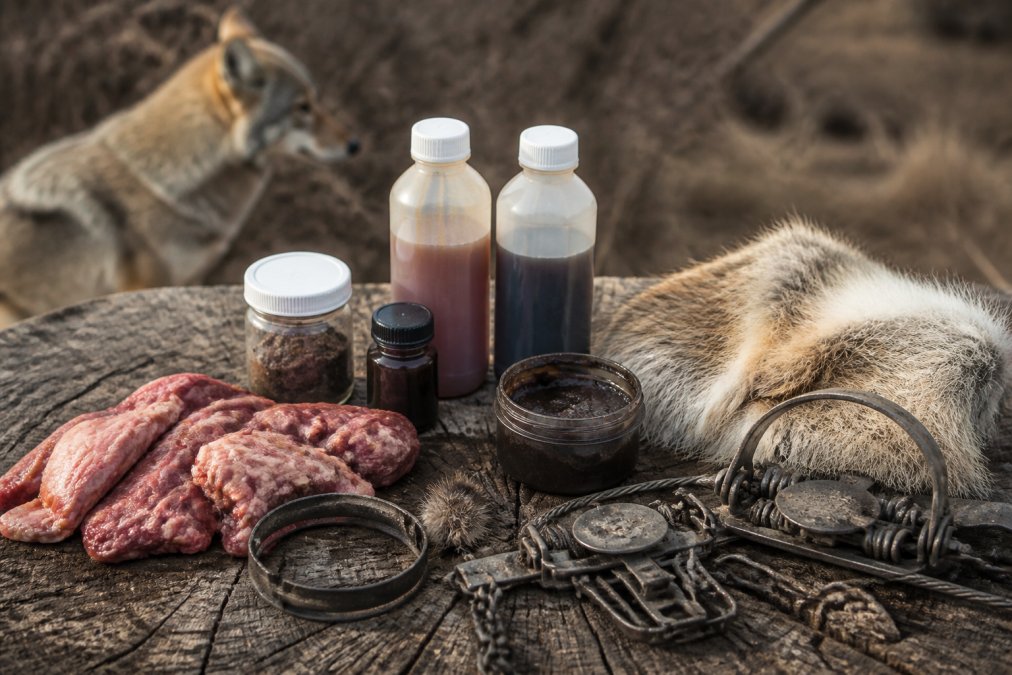
The most reliable trapping lures for coyotes fall into distinct categories based on their primary attractant.
- Pure gland lures, These use aged glands from beaver, muskrat, or coyote itself. They trigger a territorial or investigative response and hold up well in cold weather.
- Food-based lures, Made from rendered meats, fish oils, or tainted bait. These appeal to the hunger response and work best when coyotes are actively searching for easy meals.
- Urine-based lures, Canine urine signals presence and can work as a curiosity attractant or a territorial challenge depending on the source.
- Combination lures, A blend of gland and food attractants. These cast a wider net and are often the first choice for trappers running multiple sets.
- Synthetic lures, Lab-created scent compounds designed to mimic natural glands without the sourcing issues. These offer consistent scent dispersal and a long shelf life.
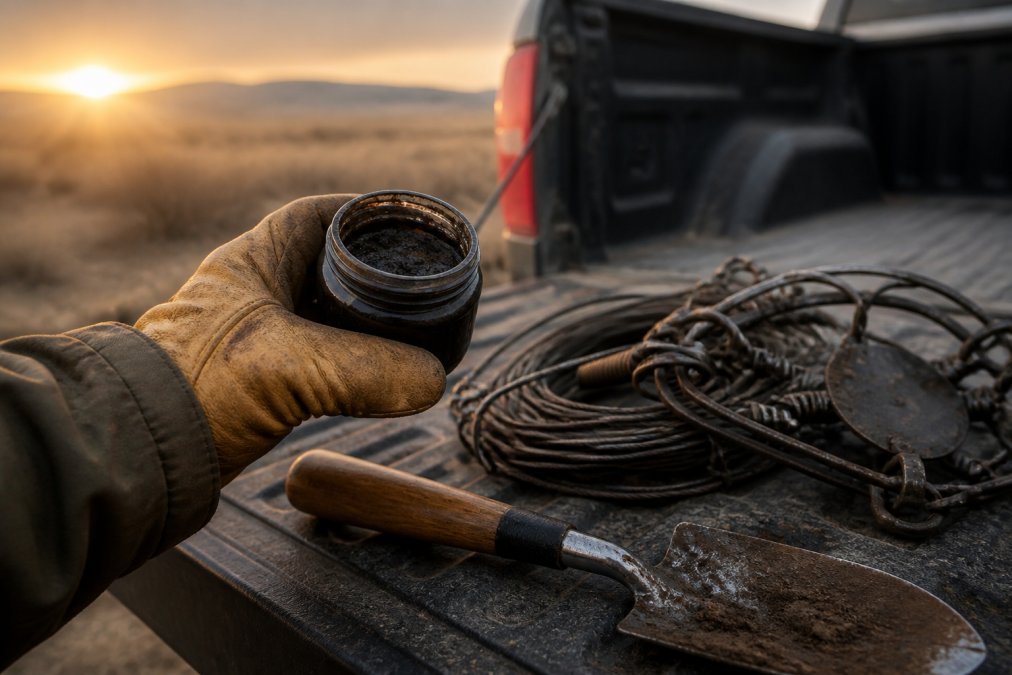
Gland Lures vs. Food-Based Lures: Which to Use First
Gland lures are your primary tool for a dirthole set because they trigger curiosity and territorial instinct rather than immediate hunger. A coyote investigating a strange scent post is more likely to commit to the set and step into the trap bed. Food-based lures appeal to the hunger response but often lead to more cautious, circling approaches.
Start with a gland lure early in the season when coyotes are establishing territories. Switch to food-based lures as winter deepens and food becomes scarcer. Many experienced trappers carry both and let the set location decide.
How to Choose Hunting Trapping Bait for Scent Posts
Choosing hunting trapping bait for a scent post requires matching the bait's persistence to your check schedule and the local scavenger pressure. A scent post is a visual and olfactory marker designed to pull a coyote off its travel path.
Consider these factors when selecting bait:
- Weather resistance: In wet conditions, water-soluble baits wash out fast. Thick, oil-based lures hold their scent longer.
- Non-target pressure: In areas with skunks, raccoons, or birds, a strong gland lure is less likely to be consumed or destroyed than a food-based bait.
- Seasonal diet: Early fall coyotes may ignore a bait that mimics a food source they are not yet relying on.
Regional adjustments matter more than most guides admit. A lure recipe that crushes coyotes in the mountain West may underperform in the humid Southeast because scent dispersal behaves differently in warm, wet air.
How to Apply Coyote Lure the Right Way
Applying coyote lure correctly is about restraint, placement, and understanding how scent disperses. More lure does not equal more catches; overscenting is one of the fastest ways to alarm a wary coyote.
The Mechanics of Scent Dispersal
Scent travels in a cone downwind from the lure source. A coyote that hits the edge of that cone will turn its head into the wind and begin to trace the source. Your job is to make that path lead directly to your trap bed.
For a dirthole set, place the lure on a small clump of vegetation, a dirt cup, or a stick positioned 12 to 18 inches behind the trap bed, slightly upwind. This forces the coyote to put its nose near the ground and its feet on the pan. If you place the lure directly over the trap, the coyote may stop short and avoid the pan entirely.
The Application Process
- Set the trap and bed it level. The pan should be firm but not so tight that a coyote's paw won't depress it. Use a trap setting tool to avoid leaving human scent on the mechanism.
- Sift dry dirt over the pan to conceal it completely. The goal is to make the trap bed look like the surrounding ground, not a freshly dug hole.
- Use a clean, dedicated stick to place the lure. Never use your fingers, a gloved hand that has touched other gear, or a stick that has been on the ground. The stick should be kept in a sealed plastic bag between uses to prevent contamination.
- Apply a pea-sized amount of gland lure to the scent post. For food-based lures, place a slightly larger amount inside the dirthole itself, behind the trap. The food scent should come from inside the hole, not from the surface.
- Step away from the set on a different path than the one you walked in on. This prevents you from leaving a human scent trail that leads directly to the trap.
The Role of Wind and Weather
Wind direction is the single most important factor in lure placement. A set that works on a south wind will be useless on a north wind if the lure is not repositioned. Position the scent post so the wind carries the scent across the coyote's likely approach path.
In cold weather, scent molecules travel less efficiently, so you may need slightly more lure or a higher placement. In warm, humid conditions, scent hangs lower and travels farther, so a smaller amount is often more effective.
Avoiding Contamination
Human scent is the biggest contamination risk at any set. Coyotes are not just avoiding the smell of humans; they are avoiding the smell of human activity. Use surgical gloves when handling traps and lures, and store all equipment in a dedicated tote that never comes into contact with household chemicals or gasoline.
Lure Applicators and Tools
A dedicated lure applicator is a worthwhile investment. These are typically wooden dowels or metal rods with a small, flat tip that allows you to place a precise amount of lure without waste. The key is to have a tool that can be cleaned or discarded between sets to prevent cross-contamination.
Best Coyote Trapping Set Locations for Maximum Exposure
The best coyote trapping set locations put your lure where a coyote is already looking. Coyotes follow predictable travel patterns: fence lines, creek crossings, ridgelines, and the edges of open meadows. Find the sign first, then build the set.
A dirthole set works best when placed on a slight angle to the travel path so the coyote approaches the scent post head-on into the wind. Position the trap bed in the approach path, not directly in front of the hole.
For a flat set or a scent post without a hole, place the lure on a natural object like a rock, stump, or clump of grass. The coyote will pause to investigate, giving you the opportunity for a clean catch. Check your local regulations on trap placement and trapping season dates before you dig.
Common Lure Mistakes to Avoid and Safety Tips
The most common mistake new trappers make is handling lures without regard for scent contamination. Human scent on a lure jar, a trap, or the surrounding ground will override the attractant. Wear gloves, use dedicated tools, and wash your gear between sets.
Beyond contamination, the most overlooked aspect of lure selection is non-target species avoidance. Domestic dogs, livestock guardians, and protected furbearers can all be attracted to the wrong lure, creating dangerous situations for the animals and legal problems for you.
Understanding Non-Target Attraction
Coyote lures are designed to trigger a canine response, but they are not species-specific. A food-based lure made from rendered meat or fish oil will appeal to raccoons, skunks, opossums, and domestic dogs. Gland lures from beaver or muskrat are more selective for canines, but they can still attract foxes and, in some regions, protected species like gray wolves or red wolves.
Before you set a line, research the non-target species in your area. If you are trapping near a suburban edge or a property with free-roaming dogs, a strong food-based lure is a liability. Switch to a pure gland lure. If you are in an area with livestock guardian dogs, consider avoiding lure entirely and relying on a blind set.
Legal and Ethical Considerations
Every state has specific regulations regarding trap placement, lure use, and the protection of non-target species. Some states require specific trap types or set configurations to minimize the risk of catching domestic animals. Check your state's trapping regulations before you set a single trap.
A common pattern among experienced trappers is to run a "test set" in a new area before committing to a full line. Place a single set with a gland lure and observe what it attracts over the course of a week. If you catch or see sign of non-target species, adjust your lure or move the set.
Lure Storage and Safety
Lure storage matters for both safety and longevity. Keep lures in sealed glass jars, stored in a cool, dark place. Heat degrades scent compounds quickly. Label every jar with the date and the source, and never mix lures in the field.
Some lures contain natural enzymes and bacteria that can cause skin irritation or infection if they come into contact with open wounds. Always wash your hands thoroughly after handling lures. A lure containing animal byproducts can spoil if exposed to air for extended periods, and a spoiled lure can actually repel coyotes.
The Unique Angle: Scent Chemistry and Non-Target Selectivity
What most guides fail to explain is why certain lures are more selective than others. Gland lures contain fatty acids and pheromones specific to canids, such as valeric acid and various methyl esters, which signal a territorial presence meaningful to a coyote but largely ignored by raccoons or skunks. Food-based lures contain volatile organic compounds like skatole and butyric acid that signal a protein-rich meal to any omnivore or carnivore.
This has practical implications. If you are trapping in an area with high non-target pressure, choose a lure that relies on canid-specific pheromones rather than general food scents. A pure coyote gland lure or a synthetic lure designed to mimic coyote territorial markings will be far more selective than a fish-oil-based bait.
Final Verdict: Building Your Coyote Lure Kit
A well-rounded coyote lure kit carries one strong gland lure, one food-based lure, and one combination formula. That is enough to handle early-season territorial sets, mid-winter food-driven sets, and everything in between. Start with quality over quantity, and add regional variations as you learn what works on your line.
For trappers who value traditional craftsmanship and field-tested formulas, Campbell Fine Furs carries Western lures made with Andy Weiser's original recipes. These are the same types of aged gland and food-based lures that have anchored traplines for generations. When you are ready to build your kit, check the current selection and set yourself up for a productive season.
Frequently Asked Questions
What is the difference between coyote bait and lure?
Bait is a food source, like a carcass or tainted meat, placed to feed a coyote or pull it into a specific spot. Lure is a scent attractant, often made from gland or food-based ingredients, applied to a set to trigger a coyote's curiosity or territorial instinct. While bait satisfies hunger, a quality gland lure speaks to a coyote's urge to mark territory and investigate. Most trappers use both: bait at the back of a dirthole set and lure at the entrance to create a strong curiosity gap.
How do you properly apply coyote lure at a set?
Apply lure sparingly; a dab the size of a pea is often enough. Use a clean stick, weed stem, or applicator to place the lure, avoiding human scent contamination on the ground or trap. For a dirthole set, place a small amount of gland lure on a clump of dirt or grass just above the hole's edge, not directly in the hole. Food-based lures can be placed near the bait. Always store your lures away from your traps and handling gear to prevent scent transfer that coyotes will detect.
Do weather conditions affect the effectiveness of coyote lures?
Yes, weather plays a major role in lure effectiveness. Cold temperatures slow down scent dispersal, meaning molecules travel less, so lures may need to be placed closer to where a coyote's nose will pass. Rain can wash away lures, so re-application is often necessary after heavy downpours. High winds can disperse scent too quickly, confusing the trail. Many trappers prefer sets on calm, slightly humid days, as moisture helps scent travel and linger, making a fresh lure application more potent during those windows.
What attracts coyotes to a trap?
Curiosity and territorial instinct are the primary drivers. A coyote investigates a set because a strange scent, like a gland lure, signals an intruder in its territory. Food-based lures and baits appeal to hunger, but a lone coyote is often more cautious. A well-placed set with a strong gland lure plays on their urge to scent-mark over a competitor. The visual disturbance of a fresh dirthole combined with the right lure creates a powerful draw that compels a coyote to step in for a closer look, leading to a catch.
Choosing the right trapping lures for coyotes comes down to understanding scent, season, and set location. Start with a proven gland lure, apply it with restraint, and place it where coyotes already travel. Campbell Fine Furs offers specialized Western lures and baits built on time-tested formulas, so you can run your trapline with confidence. View all products and find the scents that will work for your territory.
This article was written using GrandRanker