 how-to
Western Hunting Lures: A Field Guide to Scents
Table of Contents
- Why Western Hunting Lures Are Not Whitetail Scents
- Predator Lures and Coyote Lure: Calling In the Hunters
- Trapping Bait vs. Lure: What Each One Does
- A Step-by-Step Field Application Guide
- Wind, Thermals, and Scent Placement in Open Country
- Hunting Lure Storage: Keeping Scents Fresh and Contamination-Free
- Regulations, Ethics, and Realistic Expectations
- Conclusion
- Frequently Asked Questions
Last Updated: October 19, 2026
Why Western Hunting Lures Are Not Whitetail Scents
Western hunting lures work on different animals in different country, and treating them like whitetail scents is the fastest way to waste a season. Most lure advice online was written for treestand hunters chasing whitetail deer in timber. Out here, you're often calling coyotes across sage flats, setting traps in rimrock, or trying to pull a buck out of a brush-choked canyon. That changes what you carry and how you use it.
At Campbell Fine Furs, we sell Western lures built on Andy Weiser's formulas, and we've learned the difference matters. A scent that pulls a whitetail into a shooting lane won't do much for a coyote working a crosswind. Species, terrain, and wind decide everything.
Here's the short version:
- Whitetail scents rely on curiosity and rut-driven behavior in cover.
- Western lures lean on food, gland, and curiosity triggers across open ground.
- Predator lures target a hunter's instinct, not a deer's nose.
Below, we'll walk through what actually draws animals in, how to apply it, and how to keep your scents working.
Species, Terrain, and What Actually Draws Animals In
A hunting lure is a scent or attractant meant to pull an animal toward a specific spot. It works by triggering curiosity, hunger, or territorial instinct. In the West, that means matching the lure to the species and the ground you're hunting.
Whitetail scents like doe estrus and gland scents are built around the rut. They exploit breeding behavior in thick cover where deer feel safe. Western terrain is more open, and the animals behave differently.
- Mule deer are curious and often respond to mild food or curiosity scents.
- Coyotes respond to gland and curiosity lures, not sweet smells.
- Bears and cats respond to strong food-based attractants.
The key is scent placement and wind direction. In open country, a scent has to travel on a clean wind to reach the animal without spooking it. That's the whole game.
Predator Lures and Coyote Lure: Calling In the Hunters
Predator lures are scents designed to trigger a coyote's hunting and territorial instincts. A good coyote lure makes the animal curious enough to investigate, which brings it into range. Unlike deer scents, these target a predator's drive to check a smell, mark territory, or find food.
Before you set a lure, read the coyote's behavior. Coyotes are cautious and smart. They circle downwind before committing. That means your scent application has to account for how they approach.
What to watch for:
- Tracks and scat tell you where they travel.
- Howling at dusk shows active territory.
- Wind and thermals decide where they'll catch your scent.
Set your coyote lure where the animal will approach from upwind, so it catches the scent and follows it in. Place it on a low branch, a rock, or a stake at nose height. Don't overapply. A little goes a long way with predators.
Trapping Bait vs. Lure: What Each One Does
Trapping bait is meant to be eaten. It draws an animal in to feed and holds it at the set. A lure is meant to be smelled from a distance and pulls the animal toward the location. They do different jobs, and good trappers use both together.
Here's how they compare:
| Feature | Trapping Bait | Lure |
|---|---|---|
| Purpose | Draws animal in to feed | Pulls animal from a distance by smell |
| Placement | At or near the set | Up high or off to the side |
| Strength | Strong, food-based | Lighter, curiosity-based |
| Best for | Holding an animal at the trap | Bringing it into the area |
| Formats | Paste, chunk, liquid | Gel, stick, liquid |
A common mistake is using bait as a lure. Bait is heavy and food-focused, so it works close. A lure reaches out and creates the scent trail that leads an animal to your set. Combine them: lure to pull the animal in, bait to hold it.
A Step-by-Step Field Application Guide
Applying a Western hunting lure correctly comes down to wind, placement, and restraint. Here's how we'd do it in the field.
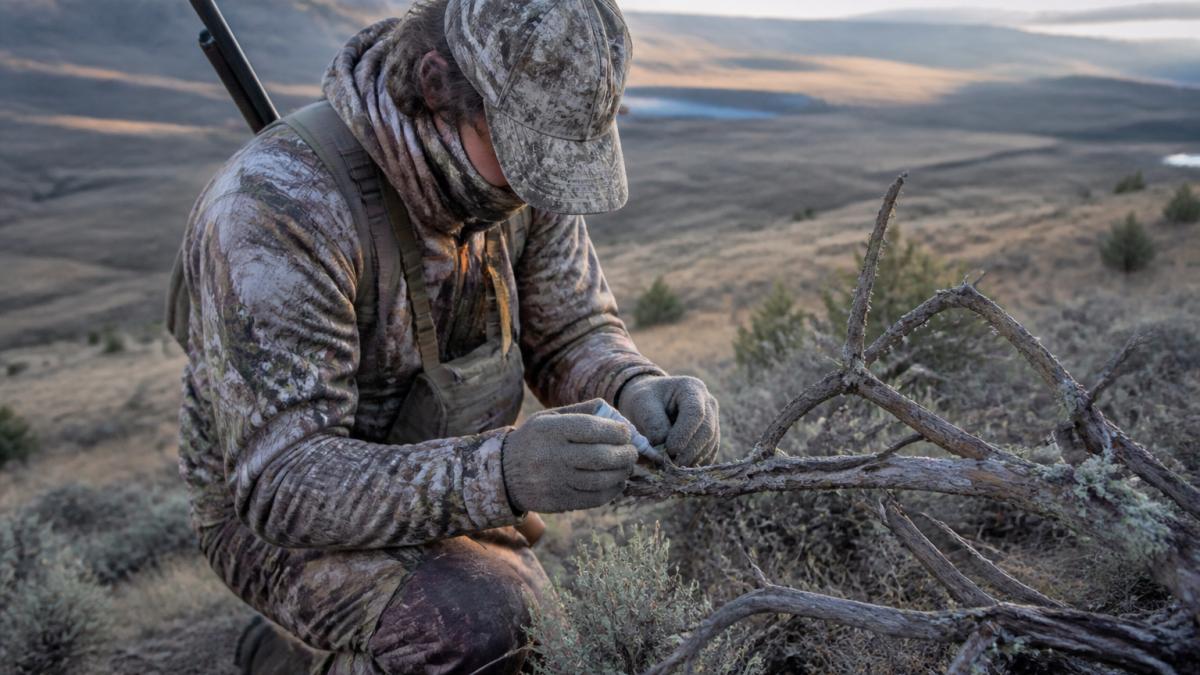
Step 1: Check the wind. Use a wind checker or a pinch of dry dirt. Confirm the wind carries your scent away from where you expect the animal.
Step 2: Match the lure to the species and the ground. Before you open a bottle, decide what you're trying to pull and from how far:
- Mule deer in open sage: a mild curiosity or food-based gel, placed at nose height on a fence post or low branch. Strong rut scents carry too far and put them on alert.
- Coyotes in rimrock or broken country: a gland or curiosity lure on a stake or rock at nose height, set so the animal circles downwind into range.
- Bears and cats in timber edges: a stronger food-based attractant, but only where legal and only during the season that allows it.
- Trapping sets: a light lure up high or off to the side to pull the animal in, with bait at the set to hold it.
Step 3: Choose your format. Pick the lure type for the job:
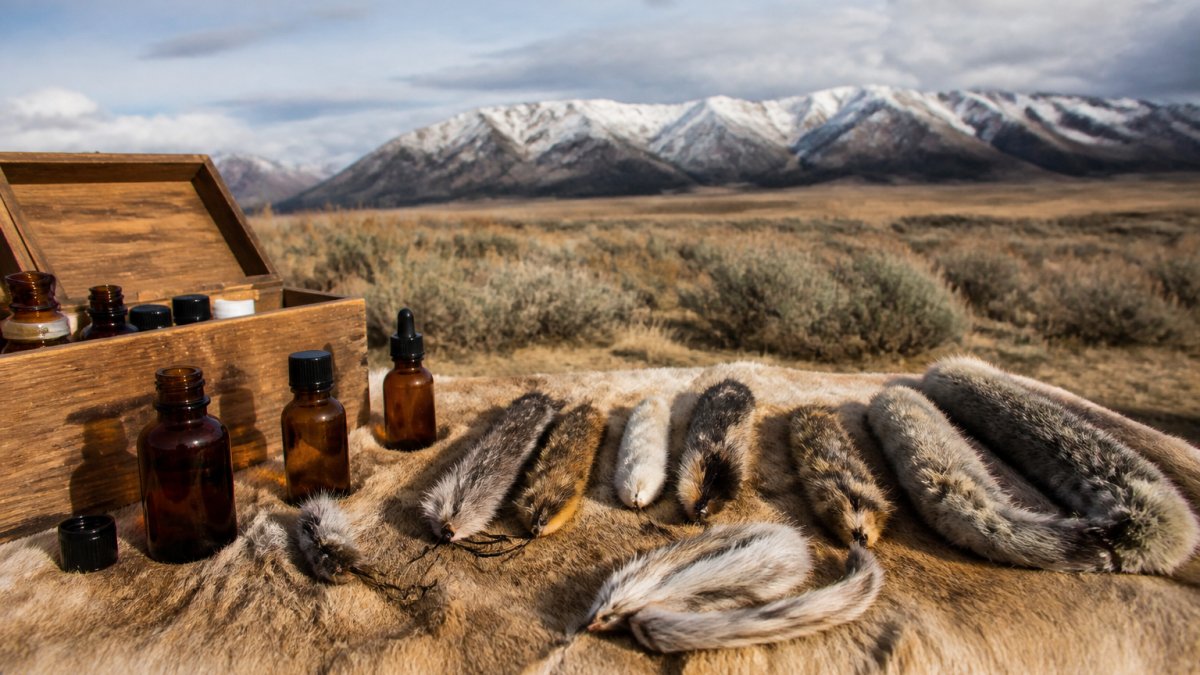
- Gel lure for hanging on branches and holding up in weather.
- Stick lure for a slow release over time.
- Liquid lure for scent trails and drags.
Step 4: Set placement. Hang gel or stick lures at nose height on a branch or stake. For liquid, create a short drag trail leading to your set.
Step 5: Apply lightly. A few drops or a small dab is enough. More scent doesn't mean more animals.
Step 6: Back out clean. Leave the area without touching the set. Let the wind do the work. Wear gloves and avoid leaving human scent on the branch, stake, or rock.
Step 7: Monitor and adjust. Check the set from a distance with binoculars so you don't contaminate it.
Expected result: An animal catches the scent downwind and follows it in. Give it time.
Wind, Thermals, and Scent Placement in Open Country
Wind and thermals control where your scent goes, so they control whether a lure works. In open country, thermals rise in the morning and fall in the evening. That shift changes where an animal will catch your scent.
Plan around it:
- Morning: Thermals rise, so place lures where scent lifts toward bedding areas.
- Evening: Thermals fall, so scent settles into draws and low ground.
- Steady wind: Set up so the animal approaches from upwind.
- Rain and snow: Damp air can mute scent, so apply a bit more and refresh often.
Downwind is where you want the animal to be. If your set puts the scent behind you, you've wasted the trip. Wind conditions decide placement more than any product choice.
Hunting Lure Storage: Keeping Scents Fresh and Contamination-Free
Hunting lure storage decides whether your scent stays fresh or turns into a useless, contaminated mess. Heat, sunlight, and cross-contamination ruin lures fast. Store them right and they'll keep working season after season.
Our rules for storage:
- Keep it cool and dark. Heat breaks down scent compounds.
- Use glass storage. Glass doesn't hold odors the way plastic does.
- Seal each lure separately. Never let a predator lure mix with a deer scent.
- Label everything. You won't remember what's in an unmarked bottle.
- Keep sediment out. Store upright so solids settle and stay out of your applicator.
A fresh scent matters more than a strong one. Contaminated lures smell wrong to animals and can spook them.
Regulations, Ethics, and Realistic Expectations
Lure and bait rules vary by state and sometimes by hunting unit, and they change. Some places restrict baiting or certain attractants entirely. Others limit what you can use during specific seasons. Always check your state wildlife agency's current rules before you buy or set anything.
What to check before every season:
- Bait vs. lure definitions. Many agencies define bait as a consumable attractant and treat it differently from a scent lure. Using bait where it isn't legal, or using it as a long-range attractant, can get you cited.
- Season and unit restrictions. Some units prohibit attractants during certain seasons, and rules can differ between general and limited-entry hunts.
- Species-specific rules. What's legal for coyotes may not be legal for deer or bears. Read the rules for the species you're actually hunting.
- Public-land rules. Federal and state land can carry additional restrictions on attractants and baiting.
A practical habit is to keep a screenshot of the current rule for your unit on your phone and re-check it before every trip. Rules that were fine last season may not be this season.
Ethics matter too. A lure should bring an animal in for a clean, fair shot, not create an unfair advantage. Use scents to draw animals within range, not to hold them against their will.
On lure effectiveness: be realistic. Scents help, but they don't guarantee results. Wind, weather, and animal behavior decide most of the outcome. A proven formula gives you an edge, not a promise. Most practitioners find that a lure is one part of a setup that includes good scent control, a clean approach, and patience.
Conclusion
The hardest part of Western hunting isn't picking a lure. It's matching the scent to the species, the wind, and the ground you're on. Get those right and a good formula does its job.
Campbell Fine Furs carries Western lures made with Andy Weiser's formulas, plus the fur gear that keeps you warm on late-season sets. Browse our selection and find the right lure for your next trip.
Frequently Asked Questions
Do western hunting lures actually work?
They can, but results depend on species, timing, and how you place them. Lures work best when they interrupt an animal's normal travel pattern or trigger curiosity during the rut or territorial seasons. In open western country, wind and thermals scatter scent fast, so placement matters more than the formula itself. Treat lures as one tool in your setup, not a guarantee. Hunters who pair lures with good scouting, fresh sign, and correct wind handling see the most consistent results.
What is the difference between trapping bait and a hunting lure?
Bait is something an animal eats or investigates for food, so it draws animals to a specific spot. A lure is a scent used to trigger curiosity, territorial response, or sexual interest, often placed near a set rather than consumed. Trappers usually run both together: bait holds the animal's attention while a lure pulls it into position. When choosing, match the bait to the species' diet and the lure to its behavior during that season.
How should I store hunting lures to keep them effective?
Keep hunting lure storage simple and strict. Store bottles upright in a cool, dark place away from heat and sunlight, and keep caps tight so volatile compounds don't escape. Never store lures next to fuel, detergent, or strong-smelling gear, because scent contamination ruins a lure fast. Glass containers hold scent integrity better than thin plastic over long periods. Label each bottle with the date you opened it and rotate older stock first.
What should I check in state regulations before using lures?
Rules on scents, attractants, and bait vary widely by state and by species, and some units restrict baiting entirely during certain seasons. Check your state wildlife agency's current regulations for the specific unit and season you plan to hunt, not just the general season summary. Pay attention to whether the rule covers scent lures, food-based attractants, or both, since agencies often treat them differently. When in doubt, call the regional office before you head out.
Western hunting rewards preparation over luck. If you're tired of guessing which scent to carry, Campbell Fine Furs can help. Our Western lures use Andy Weiser's proven formulas, and our artisanal fur accessories keep you warm through cold mornings in the field. View All Products and gear up for your next season.