 blog
blog
Best Fur Hats for Extreme Cold: 2026 Winter Guide
Table of Contents
- What Makes the Best Fur Hats for Extreme Cold
- Fur Types Compared: Mink, Red Fox, Coyote, Rabbit, and Chinchilla
- Benefits of Natural Fur for Cold Weather
- Warmest Fur Hats for Hunting: Aviator, Trapper, and Ushanka Styles
- How to Clean Real Fur Hats and Store Them Off-Season
- Sizing, Fit, and Styling Fur Hats for Modern Men
- Ethical Sourcing and Heritage Craftsmanship: What to Look For
- Conclusion
- Frequently Asked Questions
Last Updated: September 19, 2026
What Makes the Best Fur Hats for Extreme Cold
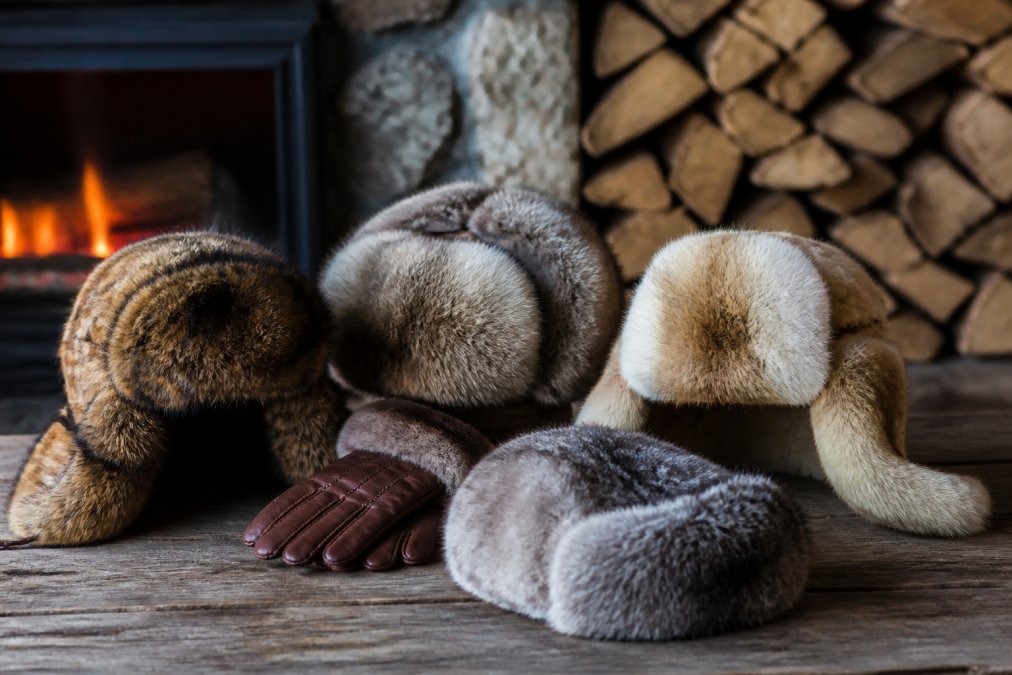
The best fur hats for extreme cold combine dense natural fur, a wind-blocking outer shell, and full ear coverage that traps body heat close to the head. This guide from Campbell Fine Furs covers which fur types perform best, how to size and care for them, and where natural fur beats synthetics.
Natural fur works because each hollow, crimped hair shaft creates millions of tiny air pockets that hold warmth while letting moisture escape, a well-made fur hat can outperform a bulky synthetic beanie at a fraction of the weight.
Most guides rank hats by fur density alone, but fit matters just as much: a loose hat lets warm air escape with every head turn.
How Fur Traps Heat Differently Than Synthetic Insulation
Fur traps heat through structure, not thickness: each hollow hair and the dense underfur layer hold a pocket of still, warm air against your scalp. Synthetic fleece mimics this with lofted fibers, but they mat down with sweat and compression in a single season, while natural fur springs back.
The other difference is breathability. According to the U.S. Occupational Safety and Health Administration's guidance on cold stress, trapping moisture against the skin accelerates heat loss and raises the risk of cold-weather injury. Fur wicks that moisture away from the scalp and releases it, which is why trappers and hunters have relied on it for generations.
Fur Types Compared: Mink, Red Fox, Coyote, Rabbit, and Chinchilla
No single fur wins every category. Mink is softest and most durable for dress wear, red fox and coyote are warmest for field use, rabbit is most affordable, and chinchilla is rarest and most delicate. What separates them in the cold is the ratio of stiff guard hairs to soft underfur.
| Fur Type | Warmth | Durability | Wind Resistance | Best For | Notes |
|---|---|---|---|---|---|
| Mink | Moderate | High | Moderate | Urban style, dress wear | Short, dense guard hairs; soft hand; holds shape for years |
| Red Fox | High | Moderate | High | Hunting, extreme cold | Long guard hairs shed wind and snow; tail fur is the warmest section |
| Coyote | High | High | High | Trapping, outdoor adventure | Rugged, thick underfur; handles brush and rough use well |
| Rabbit | Moderate | Low | Low | Budget winter accessories | Soft but mats quickly; often used as a lining rather than a shell |
| Chinchilla | Moderate | Low | Low | Luxury winter wear | Densest fur by hair count per square inch; delicate and not weatherproof |
| Shearling Sheepskin | High | High | High | Aviator and bomber styles | Wool fleece attached to leather; wind-blocking shell built in |
What Actually Drives Warmth in Each Fur
Red fox wins on raw cold-weather performance because its long guard hairs stand off the underfur, creating a deep, still air layer that wind struggles to penetrate, which is why fox-trimmed parka hoods have been standard on arctic expeditions for generations. The trade-off: long guard hairs snag on brush and look shaggy after a few hard seasons.
Coyote trades a little loft for toughness: dense underfur and shorter, stiffer guard hairs resist abrasion from branches, truck seats, and repeated stuffing into a pack.
Benefits of Natural Fur for Cold Weather
Natural fur outperforms synthetics in three ways that matter in real winter: it regulates temperature, resists moisture, and lasts for decades with proper care.
Temperature Ratings and Real-World Performance
Fur hats don't carry standardized temperature ratings the way sleeping bags do, performance depends on fur density, construction, and fit.
Warmest Fur Hats for Hunting: Aviator, Trapper, and Ushanka Styles
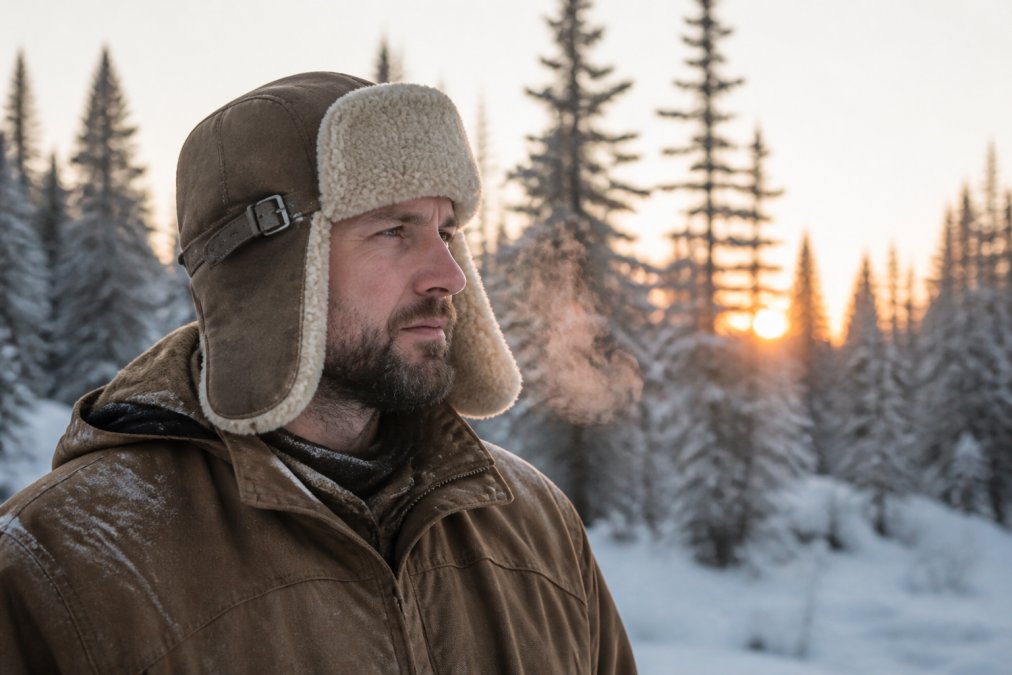
The warmest fur hats for hunting are the aviator bomber hat, the trapper hat, and the ushanka. All three share the same core design: full ear flaps, a wind-resistant shell, and dense fur insulation around the crown and neck.
How to Clean Real Fur Hats and Store Them Off-Season
Real fur hats need gentle, infrequent cleaning and cool, dry, dark storage. Most hats only need a professional cleaning every few years, with spot treatment in between.
Step-by-Step Care for Shearling and Full-Pelt Hats
Follow this routine to keep fur soft, full, and free of shedding:
- Brush weekly during wear season. Use a soft-bristle brush in the direction of the hair to lift dust and prevent matting.
- Spot-clean stains immediately. Blot with a barely damp cloth, never rub, and let the fur air-dry away from direct heat.
- Shake out after each wear. Snow and moisture should be brushed off before the hat goes on the rack.
- Store in a breathable cotton bag. Never seal fur in plastic, which traps moisture and invites pests.
- Keep it cool, dark, and dry. A closet away from sunlight and radiators is ideal.
- Skip home washing. Water and detergent strip natural oils from the leather and fur. A professional furrier should handle deep cleaning.
Sizing, Fit, and Styling Fur Hats for Modern Men
Fur hats are sized by head circumference, measured around the widest part of your head just above the ears. Most brands sell standard sizes, but an adjustable fit or custom order gives a much better result.
A Styling Guide for Modern Men
Most fur hat content stops at "pair it with a coat." The modern approach is to treat the hat as the loudest element in the outfit and build everything else around it.
Three Fit and Styling Mistakes to Avoid
- Buying for the mirror instead of the thermometer. A hat sized to sit high on the crown looks sharp in a fitting room and useless in a wind tunnel. Ear coverage is non-negotiable in extreme cold.
- Mixing fur weights. A heavy full-pelt hat over a lightweight technical jacket creates a top-heavy silhouette. Match the visual weight of the hat to the visual weight of the coat.
- Ignoring hair and glasses. Long guard hairs from fox and coyote catch on glasses frames and can frizz styled hair. If you wear either, a shorter-pile fur like mink or sheared beaver is easier to live with day to day.
Ethical Sourcing and Heritage Craftsmanship: What to Look For
Ethical sourcing and heritage craftsmanship separate a hat you'll keep for twenty years from one you'll replace in two.
Conclusion
Finding the best fur hats for extreme cold comes down to matching fur type, construction, and fit to how you'll actually use the hat. Get those three right and you'll have a piece that outperforms anything synthetic, season after season.
Frequently Asked Questions
What is the warmest type of fur for a winter hat?
Coyote and red fox rank among the warmest natural furs because their dense undercoat traps air close to the head while the longer guard hairs block wind. Shearling sheepskin, which pairs wool fleece with a leather backing, performs similarly in extreme cold. Mink and chinchilla feel softer and look dressier but provide less insulation per unit of thickness. For subzero conditions and long hours outdoors, coyote, fox, and shearling are the practical picks.
How do I clean real fur hats without damaging the pelt?
Shake the hat out after each wear and brush the fur in its natural direction with a soft-bristled brush. For light soil, wipe with a slightly damp cloth and let it air dry away from direct heat. Deeper cleaning should go to a furrier or a dry cleaner trained in fur care, since water and heat can stiffen the leather backing. Store the hat in a breathable cloth bag, never plastic, and keep it away from sunlight and radiators during the off-season.
Are fur hats better than synthetic materials for extreme cold?
Natural fur offers two advantages over most synthetics in deep cold. The dense undercoat creates dead-air insulation that stays effective even when the hat gets damp, and the guard hairs shed snow and block wind without a separate shell. Synthetics dry faster and cost less up front, but many lose loft over repeated seasons. For extended exposure below freezing, fur hats such as trapper and ushanka styles generally hold warmth longer.
What style of fur hat provides the best ear protection?
Trapper hats and ushankas give the most coverage because their ear flaps fold down over the ears and can be tied under the chin. Aviator bomber hats also cover the ears with shearling-lined flaps and often include a chin strap. Look for a hat with a full-pelt construction and a soft lining so the flaps sit flat against the skin. Adjustable chin straps help keep the flaps in place when you turn your head.
Cold weather doesn't compromise, and neither should your gear. Campbell Fine Furs crafts high-quality fur hats, scarves, and mittens designed for genuine warmth and traditional craftsmanship, with tastefully designed pieces that work as well in the field as they do in town. Explore the collection at Campbell Fine Furs and find a hat built to last.