 ultimate-guide
How to Spot High Quality Fur Pelts: 2026 Guide
Table of Contents
- The First Test: A Tactile Sensory Checklist for Fur Pelts
- Reading Fur Density, Guard Hair, and Underfur
- Fur Pelt Grading Standards and Pelt Types Explained
- Signs of Fur Pelt Damage: Bald Patches, Shedding, and Odor
- Proper Fur Pelt Storage Techniques That Protect Your Investment
- Why Leather Quality and Tanning Determine Longevity
- Spotting Counterfeits: Real Fur vs. Synthetic Fibers
- Frequently Asked Questions
Last Updated: September 20, 2026
The First Test: A Tactile Sensory Checklist for Fur Pelts
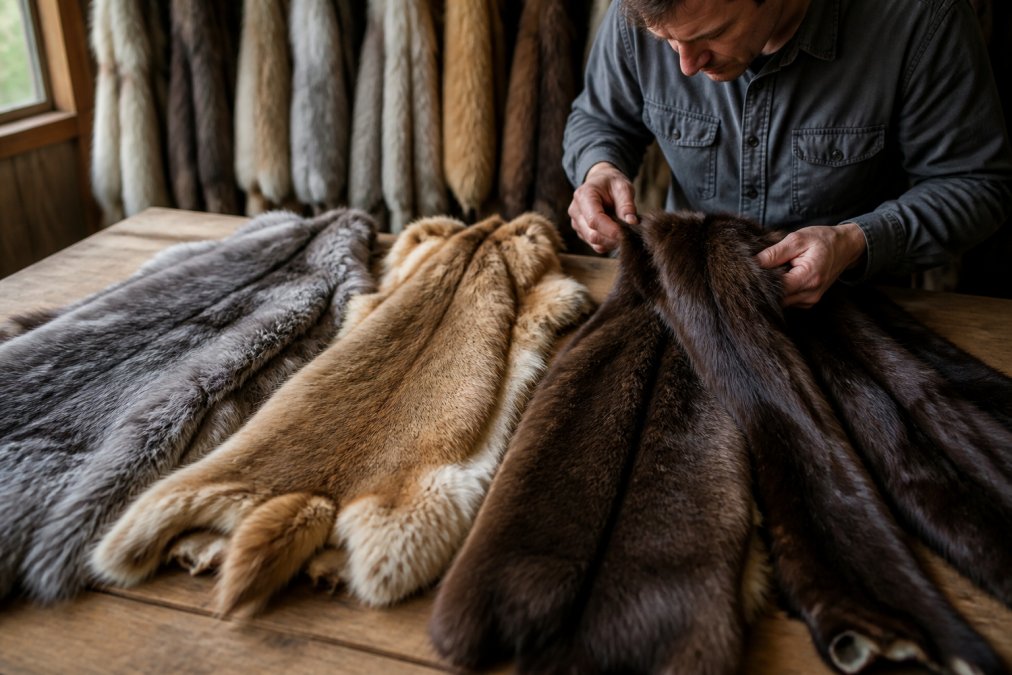
Spotting high quality fur pelts starts with your hands, not your eyes. A tactile check takes under a minute and reveals more about pelt integrity than any tag or listing photo. This guide covers the sensory tests, grading standards, and damage signals that separate premium fur pelts from mediocre ones.
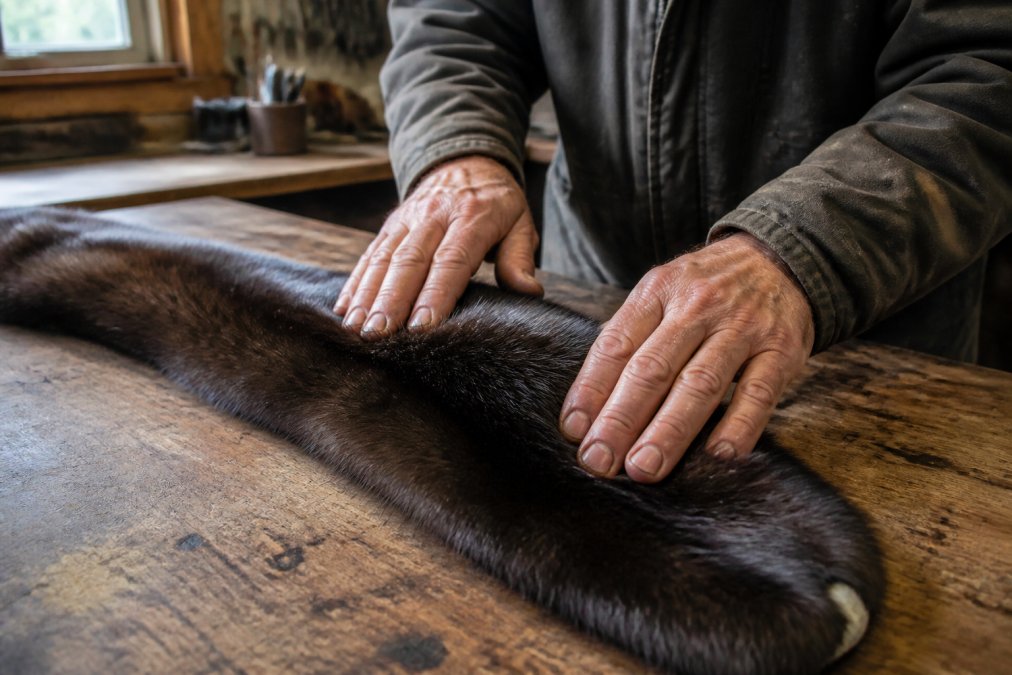
- Stroke with the grain, then against it. Guard hair should glide back into place with light resistance, not flatten or stay parted.
- Press the leather side with your thumb. It should give slightly and spring back, like a well-oiled baseball glove.
- Squeeze a fold of the hide. Listen and feel for a faint crackle, which signals dryness.
- Cup the pelt and breathe on it. A healthy pelt smells like clean leather, never ammonia or mildew.
- Run two fingers along the seams and edges. Shedding fibers that come away in your hand are a red flag.
- Weigh it in one hand. A dense pelt should feel heavier than its size suggests.
How the Pelt Feels in Your Hands
A quality fur pelt feels cool at first contact, then warms quickly against your skin, a sign the underfur is dense and trapping air.
Checking for Oiliness and Cracking
Excess oiliness and cracking sit at opposite ends of the same problem: poor tanning. A greasy pelt leaves residue and attracts dust, matting over time. A pelt that cracks when folded has been over-dried or under-tanned, and the damage is permanent.
Reading Fur Density, Guard Hair, and Underfur
Fur density is the single best predictor of warmth, durability, and price. A dense pelt has two layers: long, glossy guard hair over thick, woolly underfur. Part the fur with two fingers and look at the skin, if you can see hide easily, the pelt is sparse.
Why Fiber Length and Alignment Matter
Fiber length determines how a pelt drapes once it becomes a garment. Long guard hair gives movement and sheen but shows wear faster; short, tightly packed fur holds its shape and resists matting, which is why it often appears in hats and trim.
Fur Pelt Grading Standards and Pelt Types Explained
Pelt grading standards classify fur by density, color consistency, leather quality, and damage. Most auction houses and furriers use a three-tier trade system: prime, good, and damaged or commercial. Prime pelts come from animals taken in peak winter condition, when the underfur is fully grown and the guard hair carries its natural luster.
| Grade | Density | Leather | Color & Luster | Damage | Typical Use |
|---|---|---|---|---|---|
| 5, Exceptional | Hide barely visible when parted; uniform across back, shoulders, and flanks | Supple, springs back instantly, no crease line when folded | Even tone top to bottom, deep natural sheen that shifts with light | None visible under bright light | Full-length garments, statement pieces |
| 4, Premium | Dense on back and shoulders, slight thinning at flanks | Flexible, minor crease that fades | Consistent color, strong sheen | One small, hidden flaw at most | Coats, jackets, stoles |
| 3, Good | Solid but visibly thinner at belly and flanks | Gives under pressure, holds a faint crease | Slight tone variation, moderate sheen | Minor bald spot or light matting in one zone | Trim, hats, mittens, linings |
| 2, Commercial | Hide shows through easily when parted | Stiff at edges, creases persist | Dull or uneven color, flat sheen | Multiple thin spots or patchy shedding | Craft projects, costume, low-cost trim |
| 1, Damaged | Sparse throughout | Cracks when folded, crackles audibly | Faded, blotchy, or chemically masked | Bald patches, heavy shedding, odor | Not suitable for wear |
Cased Pelt vs. Open Pelt
A cased pelt is skinned in a tube, like pulling off a sock, and is standard for most fur trade. An open pelt is slit along the belly and dried flat. Cased pelts generally show fewer skinning cuts and preserve the fur's natural shape, making fiber alignment easier to evaluate.
Signs of Fur Pelt Damage: Bald Patches, Shedding, and Odor
Damage shows up in three main ways, each with a distinct cause. Bald patches come from moths, friction, or uneven fur distribution on the live animal. Shedding means the pelt was harvested outside prime season or the leather was improperly tanned. Odor points to bacterial growth from damp storage or incomplete curing.
| Damage Sign | Likely Cause | Fixable? |
|---|---|---|
| Bald patches | Moths, friction, uneven growth | No |
| Heavy shedding | Off-season harvest, poor tanning | No |
| Odor | Damp storage, incomplete curing | Rarely |
| Matting | Moisture, compression in storage | Sometimes |
| Cracking | Over-drying, under-tanning | No |
Proper Fur Pelt Storage Techniques That Protect Your Investment
Proper storage separates a pelt that lasts decades from one that degrades in two seasons. Fur needs cool temperatures, low humidity, and room to breathe. An interior-wall closet beats a basement or attic, which swing between damp and dry.
Follow this storage routine:
- Store pelts in a breathable cotton or canvas bag, never plastic
- Keep relative humidity moderate and steady
- Maintain cool, consistent temperatures away from radiators and vents
- Hang garments on padded hangers to avoid shoulder creasing
- Inspect every few months for moths, matting, and odor
- Keep cedar or moth repellent nearby, but never touching the fur
Why Leather Quality and Tanning Determine Longevity
Tanning is the chemical process that turns a raw hide into stable, supple leather, and it decides how long a pelt survives. A well-tanned hide stays flexible for decades; a poorly tanned one stiffens within a year, however beautiful the fur looks on day one.
Ask any seller what tanning method was used, and listen for a specific answer. Vague responses like "it's been treated" usually mean the pelt was dressed, not tanned. A furrier who tans their own stock will answer without hesitating.
Spotting Counterfeits: Real Fur vs. Synthetic Fibers
Synthetic fibers have closed much of the visual gap with real fur, so rely on touch and a few simple tests. Real fur has a pointed tip where the guard hair narrows to a fine point; synthetic fibers are cut bluntly, because they are extruded and trimmed rather than grown.
Try these checks:
- The burn test. Pull one or two fibers and burn them. Real fur smells like burning hair and crumbles to ash. Synthetic fibers melt into a hard bead and smell like plastic.
- The base check. Part the fur to the skin. Real fur grows from a hide; synthetics are stitched into a fabric backing you can see and feel.
- The root check. Look closely at where the fiber meets the base. Natural fibers thicken at the root; synthetic ones stay uniform.
Counterfeit Indicators Most Guides Skip
Beyond the basic tests, several signals separate a genuine pelt from one dressed up to look better than it is.
Ethical Sourcing and Traceability Markers
Traceability is your best defense against counterfeits, and the fastest way to confirm a pelt was responsibly sourced. Most guides stop at "ask the seller," but there are concrete markers to look for.
- Written origin documentation. Reputable sellers can provide the country or region of harvest and the name of the farm, trapper, or auction house. Vague answers like "it's from up north" are a red flag.
- Auction house tags or lot numbers. Pelts sold through established auction houses often carry lot tags or stamps on the leather side. These are not a guarantee of quality, but they are a chain-of-custody marker.
- Certification marks. Some pelts carry certification from recognized fur trade programs that verify humane trapping or farming practices. Ask which program and verify the mark independently.
- Processing transparency. A seller who can describe the tanning method, the dressing facility, and the timeline from harvest to finished pelt is almost always working with legitimate stock.
Frequently Asked Questions
What are the primary indicators of a high-quality fur pelt?
Look for dense fur with intact guard hair and thick underfur, supple leather that bends without cracking, and consistent color with natural sheen. The pelt should feel soft and pliable, not stiff or dry. Check for even fiber alignment and no bald patches. A quality fur pelt also has minimal shedding when you run your hand through it. These physical traits indicate proper tanning, good pelt integrity, and prime fur harvested at the right season.
How does the tanning process affect the quality of a pelt?
Tanning preserves the hide and determines how supple the leather stays over time. Poorly tanned pelts become stiff, crack easily, and may develop odor. Quality tanning penetrates the hide evenly, keeping the leather flexible while securing the hair follicles so fur does not slip. When inspecting a pelt, bend the leather gently. It should flex without resistance. If it feels boardy or sounds like paper, the tanning was rushed or incomplete, and the pelt will not hold up to garment construction or long-term storage.
What should you look for when inspecting fur density and guard hair?
Part the fur with your fingers and look at the base. Dense pelts show thick underfur with little visible skin. Guard hair should be long, glossy, and evenly distributed across the entire pelt. Check for thin spots, especially along the edges and belly area. Run your hand against the grain to see how quickly the fur springs back. Pelts with prime fur have a high weight-to-warmth ratio because the underfur traps air efficiently. Sparse guard hair or matted undercoat signals lower quality or seasonal variation.
How can you tell if a pelt has been properly stored?
Properly stored pelts show no signs of matting, odor, or insect damage. The fur should feel dry but not brittle, and the leather should remain supple. Check for yellowing or discoloration, which indicates moisture exposure. Proper fur pelt storage techniques include keeping pelts in a cool, dark place with low humidity, away from direct sunlight and heat sources. If a pelt smells musty or has bald patches near folds, it was likely stored in damp conditions or exposed to pests.
What are the common signs of damage or poor processing in fur pelts?
Watch for bald patches, excessive shedding, and a strong odor. Slipping fur, where hair pulls out in clumps, means the follicles were damaged during processing. Cracking leather indicates insufficient tanning or age. Check seams and skinning cuts for uneven edges or tears. Matting and tangled undercoat suggest the pelt was not properly dried or combed. Discoloration or stiffness points to moisture damage. Any of these signs lower the pelt's value and its suitability for garment construction or long-term use.
Why is the season of harvest important for pelt quality?
Fur quality changes with the seasons. Pelts harvested in late fall and winter, when animals grow their thickest coats, have prime fur with dense underfur and full guard hair. Spring and summer pelts are thinner and may show patchy fur distribution. Seasonal variation affects density, fiber length, and natural luster. A knowledgeable furrier can often tell when a pelt was harvested by examining these traits. Prime fur pelts command higher prices and perform better in cold-weather garments because they trap heat more effectively.
How can you tell real fur from synthetic fibers?
Real fur has tapered tips on each hair, while synthetic fibers are blunt and uniform. Burn a small sample: real fur smells like burnt hair and turns to ash, while synthetic fibers melt into a hard plastic bead. Check the base of the fur. Real pelts show leather or hide, while faux fur attaches to a woven fabric backing. Real fur also feels cooler to the touch and has natural variation in color and texture. Synthetic fibers often look too uniform and lack the natural sheen of a quality pelt.
Spotting a high quality fur pelt comes down to patience and your hands. Density, supple leather, and clean fiber alignment tell the real story, and no listing photo substitutes for a tactile check. When you are ready to invest in fur that holds up for years, Campbell Fine Furs offers artisanal fur hats, scarves, mittens, and home decor, each piece selected for the pelt integrity described here. Browse the collection and see the difference quality grading makes.