 blog
blog
Warmest Fur Hats for Winter: A Complete Guide
Table of Contents
- What Makes Fur Hats the Warmest Winter Choice
- Real vs. Faux Fur Warmth Comparison
- Best Fur Hat Styles for Extreme Cold
- Best Fur Hats for Hunting and Outdoor Activities
- How to Clean Fur Hats and Maintain Warmth
- Sizing and Fit for Maximum Warmth
- Ethical Sourcing and Quality Standards
- Frequently Asked Questions
Last Updated: September 17, 2026
What Makes Fur Hats the Warmest Winter Choice
Fur hats stand apart from synthetic alternatives because of how their structure traps and retains heat. The warmest fur hats for winter work through a combination of dense fiber construction, air pockets, and natural moisture management that synthetic materials struggle to replicate at the same weight and comfort level.
Thermal retention in fur comes from two key properties: loft and density. Loft refers to the space between fibers that traps dead air, the same principle that makes down insulation effective. Natural fur achieves this through its unique structure, where guard hairs create an outer layer and underfur provides the insulation core. This layered design is difficult to engineer synthetically without adding bulk or weight.
Wind resistance matters equally. Fur's tightly packed fibers create a natural barrier that blocks wind penetration, something loose-weave synthetics cannot match. When you're exposed to sub-zero temperatures and wind chill, this distinction becomes critical. A hat that allows wind to pass through loses its insulating value rapidly, no matter how thick it is.
Moisture-wicking properties also set fur apart. Unlike some synthetic materials that absorb sweat and trap moisture against your skin, quality fur naturally sheds moisture while maintaining its insulating properties. This keeps you warmer longer during active outdoor use, particularly important for hunters and trappers who may be stationary for extended periods.
Real vs. Faux Fur Warmth Comparison
Natural fur and synthetic alternatives approach insulation differently, and the gap widens as temperatures drop. This comparison matters because choosing the wrong material can mean the difference between comfort and dangerous heat loss in extreme conditions.
Natural fur density and pelt quality determine how effectively a fur hat insulates. High-quality pelts have consistent, dense underfur with properly proportioned guard hairs. This density creates more air pockets per cubic inch than synthetic fibers can achieve. A premium fur hat from a reputable source uses pelts graded for thickness and uniformity, ensuring predictable performance across the entire hat.
The durability of natural fur also affects warmth retention over time. Quality fur maintains its loft and density through multiple seasons when properly cared for. Synthetic materials often compress with use, losing insulating value after a season or two of regular wear. This compression happens because synthetic fibers lack the natural structure that allows them to spring back after being compressed.
Synthetic fiber performance in sub-zero temperatures has improved significantly, but fundamental limitations remain. Modern acrylic and polyester blends can insulate adequately in moderate cold, typically down to around -10°F. Beyond that threshold, synthetic materials begin to lose effectiveness because they compress more easily under the weight of accumulated frost and ice. Natural fur's structure resists this compression better.
Cost considerations cut both ways. Synthetic hats cost less upfront, making them practical for occasional use or as a backup option. However, the total cost of ownership over several years often favors natural fur because quality fur hats last longer and maintain their performance characteristics. A synthetic hat replaced every 1-2 seasons versus a fur hat lasting 5-7 years changes the economics significantly.
| Characteristic | Natural Fur | Synthetic Fiber |
|---|---|---|
| Extreme cold performance (-20°F and below) | Superior loft retention | Moderate, loses effectiveness |
| Moisture management | Natural shedding | Absorbs and traps moisture |
| Durability (years of use) | 5-7 years with care | 1-2 seasons typical |
| Initial cost | Higher | Lower |
| Maintenance requirement | Regular conditioning | Minimal |
| Wind resistance | Excellent | Good |
Best Fur Hat Styles for Extreme Cold
Different hat styles offer varying levels of coverage and protection, and the best choice depends on your specific exposure and activity level. The warmest fur hats for winter combine full head coverage with ear and face protection.
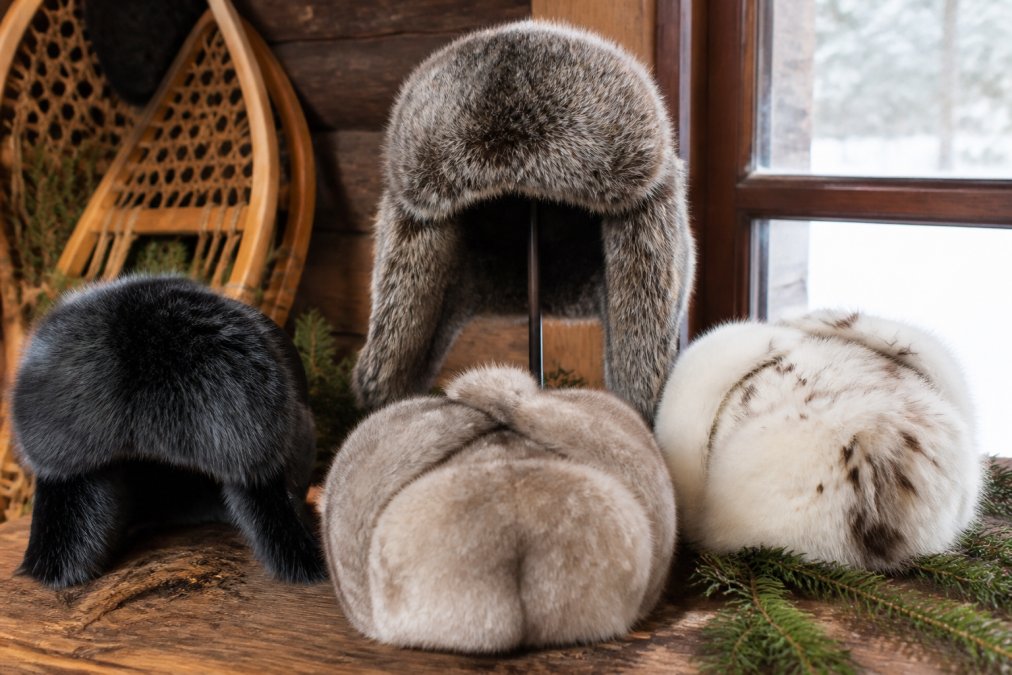
Trapper hats and ushanka designs represent the gold standard for extreme cold protection. Trapper hats feature ear flaps that fold down to cover the ears completely, with a front brim that extends over the forehead. The ushanka, a traditional Russian design, adds a longer back flap that covers the nape of the neck, a critical area for heat retention. Both styles keep the ears, cheeks, and neck protected from wind and direct exposure.
The ushanka's extra coverage makes it superior for stationary activities like hunting or ice fishing, where wind chill compounds the danger. The longer back panel creates a seal that prevents cold air from reaching the neck, where major blood vessels near the skin surface. This design detail alone can mean 10-15 degrees of effective warmth difference compared to styles without neck coverage.

Aviator and bucket styles offer different trade-offs. Aviator hats feature extended ear flaps that wrap around the head with a longer front brim, mimicking vintage aviation designs. Bucket-style fur hats provide 360-degree coverage with a continuous brim all around. Both work well for extreme cold, though they may feel bulkier than trapper designs.
Aviator styles perform well for active pursuits because the wrapped ear design stays secure during movement. Bucket styles excel in wind because the full brim creates a complete barrier. Neither offers quite the neck coverage of an ushanka, but both exceed trapper hat performance in lateral wind protection.
The key consideration is how the hat seals around your head and neck. Any gap where cold air can enter defeats the insulation value of the fur itself. Well-fitted trapper hats and ushankas create better seals than looser bucket styles, which is why they rank highest for extreme cold.
Best Fur Hats for Hunting and Outdoor Activities
Hunting demands specific performance characteristics beyond simple warmth. You need thermal protection that won't impede your ability to hear, see, and move effectively. Warmest fur hats for winter designed for hunting balance maximum insulation with functional design.
Activity-specific temperature ratings help match hat choice to expected conditions. For stationary hunting in extreme cold (below -10°F), an ushanka or trapper hat with full ear coverage and thick fur (typically 2-3 inches) provides the protection you need. For active hunting where you're moving regularly and generating body heat, a slightly lighter trapper hat allows better hearing and vision without sacrificing essential warmth.
Breathability becomes important during active use. Heavy exertion in a thick fur hat can cause sweat accumulation, which then cools rapidly when you stop moving. Quality fur hats manage this better than synthetics because the fur naturally sheds moisture rather than absorbing it. This moisture management prevents the dangerous cooling effect that occurs when sweat-dampened insulation loses effectiveness.
Ear flap design directly affects hunting performance. Fully enclosed ear flaps (like those on an ushanka) provide maximum warmth but reduce hearing range. Some hunters prefer trapper hats where the flaps can be tied up on top of the hat when not needed, allowing better sound detection during stalking. The trade-off is that you're exposed to wind chill on the ears during those periods.
Visibility matters too. A hat brim that extends too far forward can obstruct sight lines when looking through a rifle scope or binoculars. Many hunting-specific fur hats feature slightly shorter brims or design the ear flaps to sit lower, preserving your field of view while maintaining coverage.
How to Clean Fur Hats and Maintain Warmth
Proper maintenance directly determines how long your fur hat retains its insulating properties. Neglected fur compresses, loses loft, and eventually sheds, all of which reduce warmth significantly.
Sizing and Fit for Maximum Warmth
A poorly fitting fur hat loses much of its insulating value because cold air enters around the edges and gaps. Proper sizing ensures the hat creates a complete thermal seal around your head and neck.
Ethical Sourcing and Quality Standards
Understanding where your fur comes from matters both ethically and practically. Quality fur comes from ethical sources, and ethical sourcing correlates with better material quality.
Frequently Asked Questions
Which type of fur is the warmest for winter hats?
Fur types vary in warmth based on density and loft. Beaver, muskrat, and fox fur rank among the warmest options due to their dense underfur and high thermal retention properties. Natural fur's ability to trap air and create insulation makes it superior for extreme cold. Synthetic alternatives with high-quality fibers can match natural fur performance, but genuine fur typically offers longer-lasting warmth and durability in sub-zero temperatures.
Are real fur hats warmer than faux fur for extreme cold?
Real fur hats generally outperform faux fur in extreme cold due to superior thermal retention and natural breathability. Natural fur's pelt density creates better insulation and moisture-wicking, keeping warmth stable even in sub-zero conditions. Faux fur can provide adequate warmth for moderate winters, but real fur's durability and consistent performance make it the preferred choice for trappers and hunters facing harsh climates. Quality matters significantly, premium faux options may rival lower-grade real fur.
How should I care for my fur hat to maintain its warmth?
Regular conditioning keeps fur supple and maintains its thermal properties. Store your hat in a cool, dry place during off-season months to prevent moisture damage. Avoid direct heat and sunlight, which can degrade fibers. Gently brush the fur to prevent matting and shedding. Professional cleaning annually helps restore loft and insulation. Proper storage and conditioning preserve the hat's water-repellent qualities and ensure consistent warmth year after year.
What's the difference between a trapper hat and an ushanka for winter wear?
Both offer excellent ear and neck protection, but differ in design and coverage. Trapper hats typically feature longer ear flaps that tie under the chin and often include a front bill, making them ideal for active outdoor use. Ushanka hats have a more rounded crown with fold-down flaps on the sides and back, providing maximum face protection when flaps are down. For hunting and trappers, the trapper style offers better mobility and visibility, while ushanka excels in stationary, extreme-cold scenarios.