 how-to
Beaver Pelt Price Guide: What Pelts Are Worth in 2026
Table of Contents
- How Beaver Pelt Price Is Set: Size, Grade, and Primeness
- Beaver Pelt Price by Condition: Raw, Green, Dried, and Tanned
- Beaver Pelt Grading: How Buyers Sort and Score Pelts
- How to Prepare a Beaver Pelt for Sale
- Beaver Pelt Sale Results: What Auction and Buyer Reports Show
- Beaver Fur Market Trends and Regional Price Variation
- Net Proceeds: What You Keep After Fees and Shipping
- Conclusion: Selling Your Beaver Pelts With Confidence
- Frequently Asked Questions
Last Updated: October 12, 2026
How Beaver Pelt Price Is Set: Size, Grade, and Primeness
Beaver pelt price is determined by three factors buyers weigh before quoting a number: pelt size, fur grade, and how prime the fur was when the animal was taken. Get all three right and a pelt moves from the bottom of the market to the top; get one wrong and the same animal is worth a fraction of what it should be.
At Campbell Fine Furs, we handle finished fur every week, and the difference between a well-handled pelt and a rushed one is obvious on sight. This guide breaks down what drives value in 2026, from raw and green pelts through dried, tanned, and finished goods.
Pelt size and body shape
Size is the first thing a buyer checks. Pelts are sorted by dimensions and body shape into three trade-wide categories: blanket beaver, large beaver, and small body.
A blanket beaver is the widest, roundest pelt in the lot, from a mature animal in good condition. Large beaver covers solid adult pelts just under blanket grade. Small body pelts come from younger or smaller animals and sit at the bottom of the range.
Round shape matters as much as raw dimensions. A wide, round pelt uses more of the hide and cuts more efficiently for hat and trim work, so it commands more than a long, narrow pelt of the same square footage.
Grade, damage, and prime fur
Grade is where most of the money is won or lost.
Prime fur means the pelt was taken when the underfur was fully developed and guard hairs were densest. Pelts taken outside that window look thin, and buyers discount them heavily no matter how large the animal was.
Damage is the second cut. Holes, skinning cuts, singed fur, and slippage all reduce grade. A pelt with a clean back and intact edges always out-earns a larger pelt with visible damage.
Beaver Pelt Price by Condition: Raw, Green, Dried, and Tanned
Condition changes value more than any other variable.
Raw pelt means the hide has been removed but not fleshed or dried.
Green pelt is a raw pelt that has been fleshed but not dried.
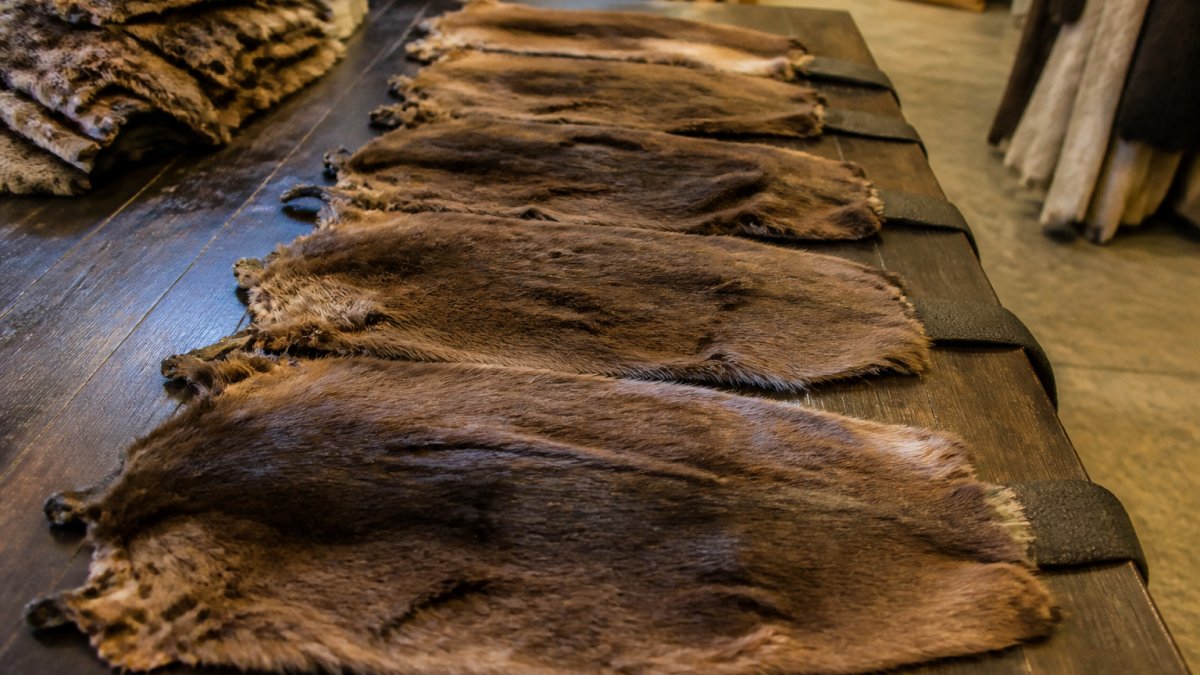
Dried pelt is the standard form for auction and most fur buyers. Fleshed, stretched, and dried properly, it is the benchmark product the market quotes against.
Tanned pelt has been through the full tanning process. Tanned pelts sell into craft, garment, and decor markets rather than the raw fur trade, reaching a different set of buyers.
Finished pelt describes a tanned pelt graded and prepared for retail or manufacturing use. This is the top of the chain and supports the highest per-pelt value.
| Condition | Work Remaining | Typical Buyer | Relative Value |
|---|---|---|---|
| Raw | Fleshing, drying, grading | Local buyer, trader | Lowest |
| Green | Drying, grading | Fur buyer, fur sale | Low to mid |
| Dried | Grading only | Auction, fur buyer | Mid to high |
| Tanned | None | Craft, retail, garment | High |
| Finished | None | Manufacturer, retail | Highest |
The practical takeaway: every step you complete yourself moves the pelt up the table.
Beaver Pelt Grading: How Buyers Sort and Score Pelts
Beaver pelt grading sorts pelts into uniform lots by size, color, density, and damage so buyers can bid on consistent groups rather than individual hides. It turns a pile of pelts into a saleable lot, and it is the step most trappers understand least.
Buyers score on four things:
- Size and shape - overall dimensions and how round the pelt stretches
- Fur density - how thick and full the underfur is across the back
- Color and clarity - even tone, no staining, no singed patches
- Damage - holes, cuts, slippage, and how much of the usable area is affected
Pelts are then grouped into lots. A tight, consistent lot of same-size, same-grade pelts attracts stronger bidding than a mixed lot, because the buyer knows exactly what they are getting.
Common grading defects that cut value
Some defects are obvious. Others are invisible until a buyer runs a hand over the fur.
- Slippage - fur pulling loose from the hide, usually from slow cooling or delayed fleshing. The most damaging defect, and often means the pelt is unsaleable.
- Holes and cuts - from skinning errors or shot damage. Small, clean holes cost less than ragged ones.
- Singed or burned fur - from drying near a heat source. The guard hairs curl and never recover.
- Uneven stretch - a pelt pulled out of shape dries lopsided and grades down.
- Incomplete fleshing - leftover membrane traps moisture and causes spoilage.
How to Prepare a Beaver Pelt for Sale
Preparing a beaver pelt for sale comes down to four steps: skin cleanly, flesh thoroughly, dry under tension, and handle the castor glands correctly.
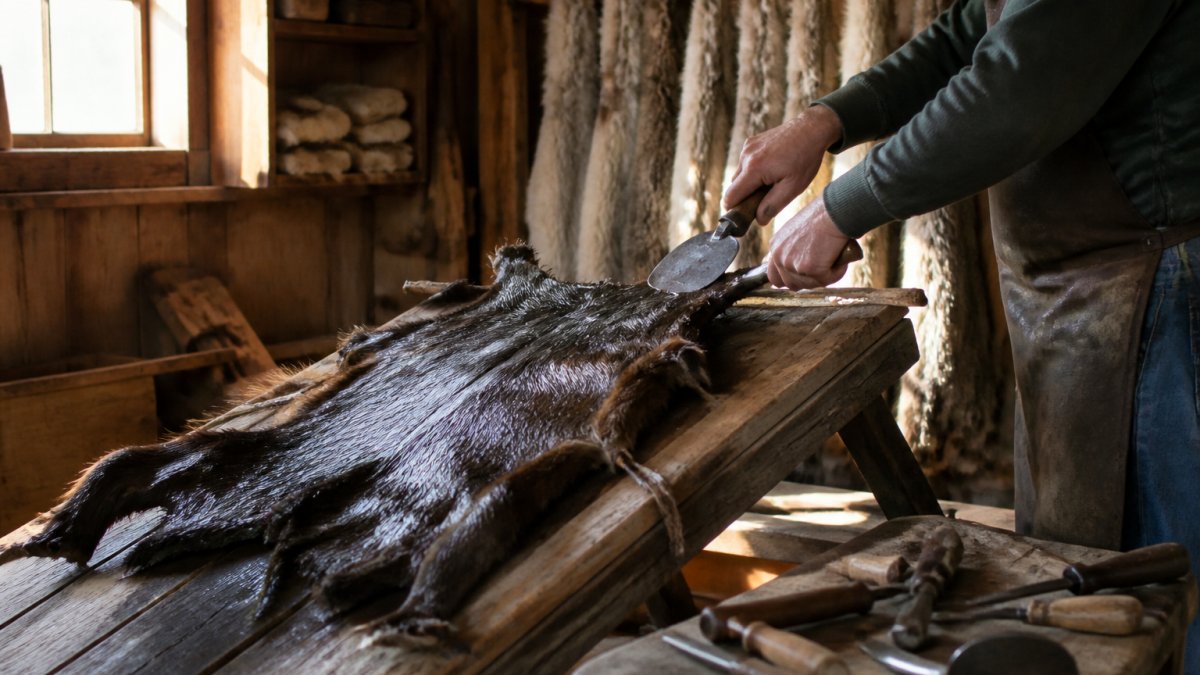
Step 1: Skin cleanly. Work the hide off with steady, shallow cuts.
Step 2: Cool the pelt immediately. Do not stack warm pelts; spread them so air moves around the hide. This step prevents slippage.
Step 3: Flesh the pelt. Use a fleshing beam and sharp knife to remove membrane and fat without cutting into the hide.
Step 5: Grade and bundle. Match pelts by size and grade before you sell. A consistent lot outperforms a mixed one.
Fleshing, drying, and handling castor glands
Fleshing separates a hobby pelt from a saleable one. The goal is a hide with no membrane left, no fat pockets, and no knife marks through the leather.
Dry in shade with airflow, turning the pelt as it sets so it dries evenly and holds its shape.
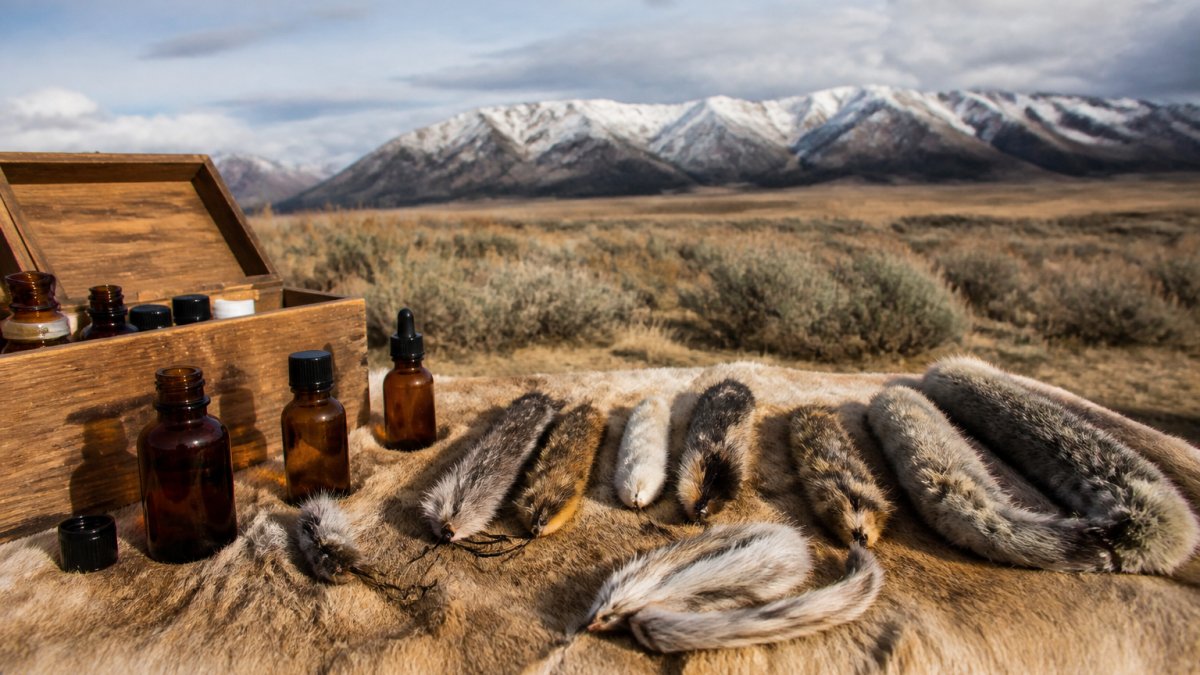
Castor glands deserve their own note. These scent glands near the base of the tail are a separate product from the pelt. Remove them carefully during skinning, keep them clean, and store them separately. Many trappers leave money on the table by discarding glands that have their own buyers.
Beaver Pelt Sale Results: What Auction and Buyer Reports Show
Beaver pelt sale results vary widely by channel, and the same pelt can bring noticeably different numbers depending on where it is sold.
At auction, pelts sell in graded lots to the highest bidder, and results are published after each sale, making auctions the most transparent channel. The trade-off is timing: you sell when the auction runs, not when you want to.
Local fur sales and direct buyer purchases move faster and pay sooner, but the buyer sets the price with no competitive bidding to push it up.
What most sellers miss is that auction averages are reported across all grades in a sale. A strong overall average does not mean every pelt did well. Read results by grade and size, not just the headline number.
Beaver Fur Market Trends and Regional Price Variation
Beaver fur market conditions in 2026 are shaped by demand from the garment and craft sectors, and that demand is not evenly distributed. Market reports show real variation between regions, and buyer-to-buyer differences are just as large.
Buyer-to-buyer variation catches people out. Two buyers in the same region can quote very different numbers for the same pelt, because one may have a standing order for a specific size and grade while the other is buying speculatively.
The practical response is to get more than one quote before you commit. Sell to a single buyer every season and you will never know whether you left money on the table.
Net Proceeds: What You Keep After Fees and Shipping
Net proceeds are what actually lands in your pocket after auction commissions, lot fees, shipping, and handling are deducted, and they are almost always lower than the gross sale figure. This is the number that matters, and the one most sellers never calculate.
The costs that come off the top:
- Auction commission - a percentage of the sale price taken by the auction house
- Lot and handling fees - charged per lot, whether or not it sells
- Shipping - cost to get pelts to the auction or buyer, which rises with weight and distance
- Unsold lot fees - some auctions charge for lots that fail to meet the minimum bid
- Your own time and materials - fleshing, boards, wire, fuel
A pelt that looks strong on the auction sheet can net considerably less once these are subtracted. Selling locally at a slightly lower gross price with no commission and no shipping can sometimes net more than an auction sale.
Run the math before you choose a channel. Divide your total net by the number of pelts sold and compare that per-pelt figure across your options. That single number is the only fair comparison.
| Channel | Commission | Shipping | Speed of Payment | Best For |
|---|---|---|---|---|
| Auction | Yes, percentage | You pay | After sale settles | Large, graded lots |
| Local fur sale | Usually none | Minimal | Same day | Smaller quantities |
| Direct buyer | Built into price | Usually none | Immediate | Quick turnaround |
Conclusion: Selling Your Beaver Pelts With Confidence
The gap between a pelt that sells and a pelt that sits is almost never about the animal. It is about primeness, clean fleshing, even drying, and knowing which channel pays best for the grade you have.
If you would rather skip the auction math and the shipping crates, Campbell Fine Furs offers handcrafted fur hats, scarves, mittens, blankets, and pillows made from quality pelts, along with Western lures and baits built on Andy Weiser's formulas for trappers who want their gear to perform in the field. Browse our full range of artisanal fur accessories and outdoor goods, and see what well-handled fur looks like when it is finished properly.
Selling pelts is a season-long discipline, and the trappers who do best treat preparation as part of the hunt rather than an afterthought. Whether you are drying your first pelt or filling a bundle for auction, the same rules apply: cool it fast, flesh it clean, dry it slow, and know your numbers before you sell.
Frequently Asked Questions
How much is a beaver pelt worth?
A beaver pelt price depends on three things: size, grade, and where you sell. Large, blanket-grade pelts in prime winter fur draw the strongest bids at auction, while small or damaged pelts sell for far less. Raw and green pelts move at lower values than dried or tanned ones because the buyer takes on the finishing work. Check current auction results and buyer postings for the latest figures before you commit to a sale.
What factors affect the price of a beaver pelt?
Size and body shape matter most: large, round pelts grade higher than small or rangy ones. Prime fur, taken in cold months when the underfur is thick, beats summer fur every time. Damage from holes, scars, or poor fleshing drops a pelt a grade or more. Finally, the sales channel changes everything. Auction lots, direct fur buyers, and retail buyers all pay different rates for the same pelt.
Does the size of a beaver pelt affect its value?
Yes, and it is one of the biggest levers you control. Buyers sort pelts into size categories, with large blanket beaver at the top and small or kit pelts at the bottom. A round, well-stretched pelt from a mature animal will out-earn a small one from the same season by a wide margin. Proper stretching and drying preserve the size you started with.
How should a beaver pelt be prepared for sale?
Flesh the pelt cleanly, remove the castor glands if you plan to sell them separately, and stretch it round on a hoop or board. Dry it in a cool, shaded, well-ventilated space, never over direct heat. Once dry, brush the fur, check for grease spots, and store it flat or rolled with the fur inside. Pelts that are clean, dry, and free of holes consistently grade higher than rushed ones.