 how-to
How to Choose the Right Fur Vest for Beginners
Table of Contents
- Understanding Fur Vest Basics: What Beginners Need to Know
- Real Fur vs. Faux Fur Vest: Which Is Right for You
- How Should a Fur Vest Fit: Sizing and Silhouette Guide
- Selecting the Right Fur Type and Quality
- How to Style a Fur Vest: Outfit Pairing and Occasions
- How to Care for a Fur Vest: Maintenance and Storage
- Making Your Final Decision: Budget, Climate, and Lifestyle
- Frequently Asked Questions
Last Updated: October 10, 2026
Understanding Fur Vest Basics: What Beginners Need to Know
How to choose the right fur vest for beginners starts with understanding what makes a fur vest different from other outerwear. A fur vest is a sleeveless garment made from animal fur or faux fur, designed to layer over clothing for warmth and style.
The right vest depends on your climate, lifestyle, and how you plan to wear it, whether for serious cold-weather work or occasional fashion wear.
Ask yourself: Will you wear this daily in harsh winters or occasionally for special events? Your answer shapes every decision that follows.
Real Fur vs. Faux Fur Vest: Which Is Right for You
The choice between real fur and faux fur is the most fundamental decision when learning how to choose the right fur vest for beginners. Real fur comes from animals like mink, fox, or rabbit. Faux fur is a synthetic material designed to mimic the look and feel of real fur.
Real fur offers superior warmth and natural aesthetics; faux fur is more affordable and requires less specialized care. Your choice depends on priorities, budget, and values.
Durability and Longevity Differences
Real fur vests typically last 10-15 years with proper care, while quality faux fur vests last 3-5 years before the fibers begin to mat or shed noticeably. Real fur maintains its structure and appearance over time. Faux fur degrades faster, especially if worn frequently or exposed to heat.
Real fur requires professional cleaning and seasonal storage; faux fur can be hand-washed. Faux fur wins for low-maintenance wear; real fur offers better long-term value if you invest in proper care.
Warmth and Performance
Real fur provides exceptional insulation through natural hair structure, making it ideal for serious cold-weather use, hunting, and outdoor work. Faux fur approximates this but falls short in extreme cold.
Faux fur works well for moderate climates and warmer regions; real fur is essential for sustained freezing temperatures.
How to Assess Faux-Fur Quality Before You Buy
Backing and Construction: Quality faux fur has dense, supple backing that feels substantial. Seams should be tight and reinforced. Poor-quality backing is thin and plasticky with loose, fraying seams.
Fiber Density and Shedding: Quality faux fur has fibers packed closely with minimal backing showing through.
Softness and Texture Consistency: Quality faux fur feels soft and consistent in both directions, plush and smooth rather than wiry or plastic-like.
Weight and Drape: Quality faux fur feels substantial but not stiff and drapes naturally. Poor faux fur feels too light or too stiff and bunches awkwardly.
Color Consistency: Quality faux fur has even color throughout. Streaks, blotches, or fading indicate lower-grade material.
Real Fur Sourcing and Ethical Considerations
If you choose real fur, ask reputable furriers about sourcing and supply chain documentation. Some buyers prefer farmed fur for consistency; others have ethical concerns. An informed decision matters.
Real fur holds resale value; faux fur does not, making the full purchase price a sunk cost.
How Should a Fur Vest Fit: Sizing and Silhouette Guide
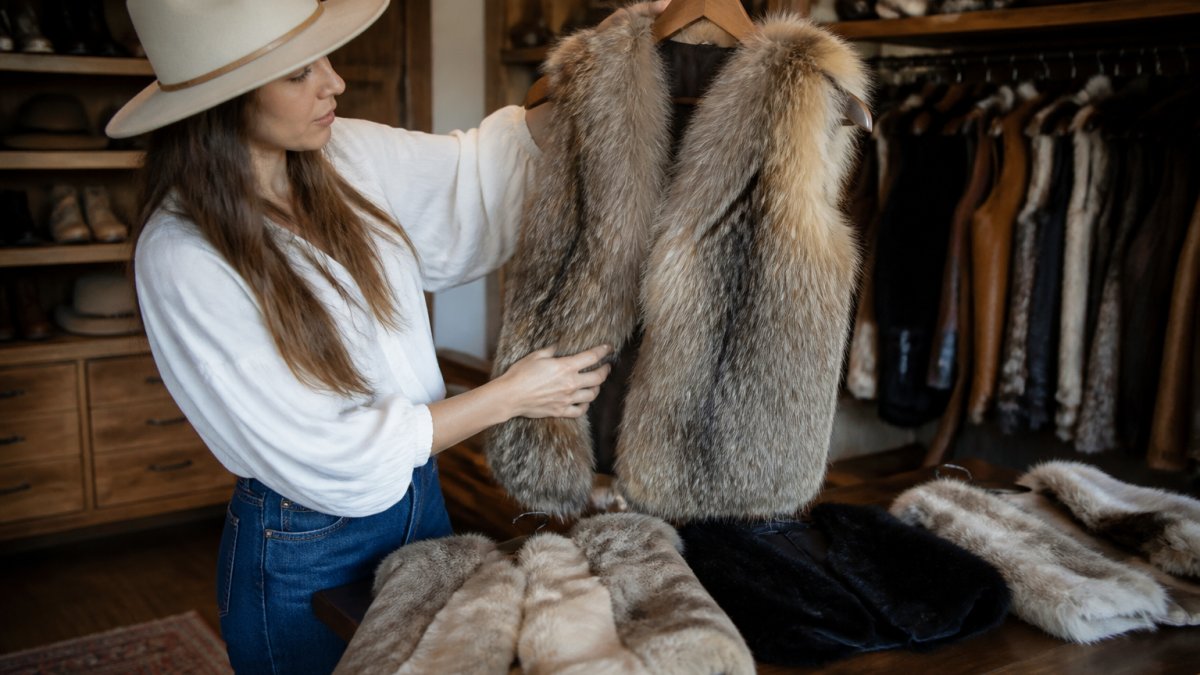
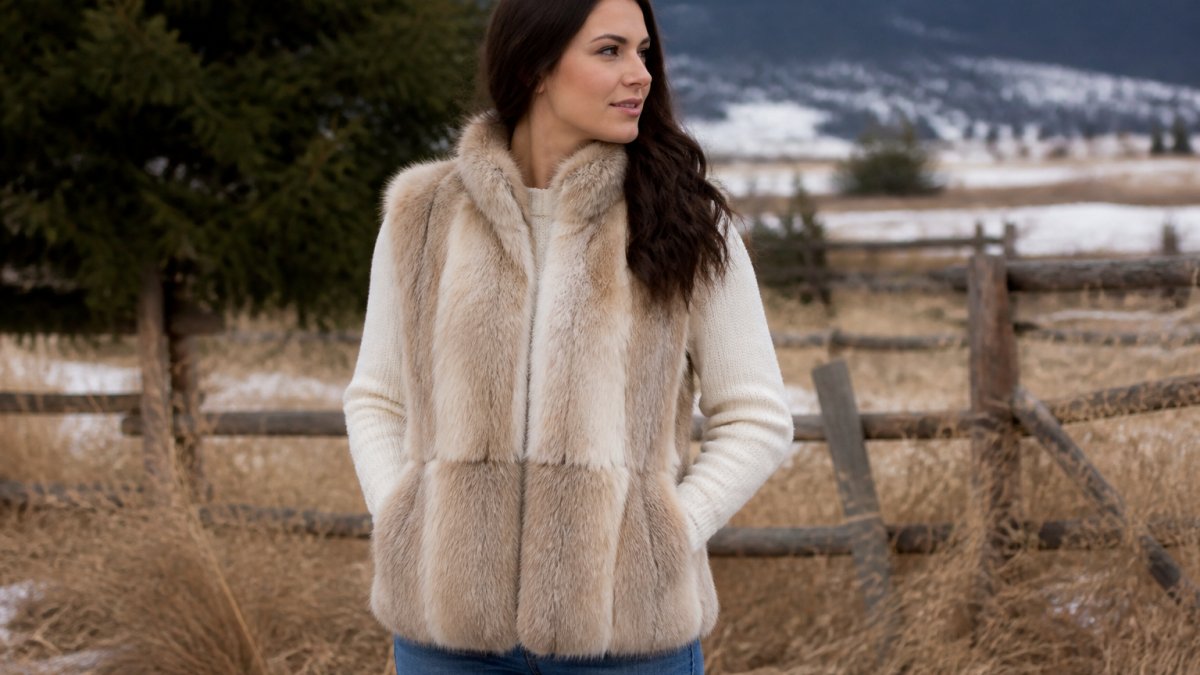
The fit of your fur vest determines whether you look polished or sloppy. A properly fitted vest sits close to your body without pulling or bunching. It should end at your hip or slightly below, depending on your height and style preference.
Finding Your Ideal Length
Vest length comes in three categories: short (waist), standard (hip), and long (mid-thigh). Short suits people under 5'6"; standard suits most body types; long creates an elegant line.
Proportions matter more than height. Try on multiple lengths to find what feels balanced on your body.
Fit Across the Shoulders and Bust
The vest should sit snugly across your shoulders without gapping, with room for one or two fingers inside when buttoned.
If you're between sizes, size up. Fur vests don't shrink, and you need room to layer.
Layering Considerations
Consider what you'll wear underneath. If layering with thick clothing, size up to accommodate the bulk while maintaining a fitted look.
Test fit by wearing the exact sweater you plan to pair it with. The vest should move freely without restricting movement or riding up.
Selecting the Right Fur Type and Quality
Mink is soft and durable; fox is luxurious; rabbit is affordable but less durable; faux ranges from cheap to high-quality.
Your choice depends on budget, intended use, and aesthetic preference. A hunting vest prioritizes durability; a formal vest prioritizes appearance.
Evaluating Softness and Texture
Quality fur feels smooth and dense in both directions. Poor-quality fur mats easily or feels thin and wiry. Underfur should be thick and plush.
Check for consistent color and texture. Inspect the leather backing, it should be supple and free of cracks.
Construction and Craftsmanship
Quality vests have reinforced seams, smooth-gliding zippers, and secure, aligned buttons.
Panels should line up without gaps. Lining should be intact and well-stitched. Poor construction leads to premature failure.
How to Style a Fur Vest: Outfit Pairing and Occasions
Your fur vest works in more settings than you might think. The key is pairing it with the right pieces and understanding context.
Casual Wear and Everyday Styling
Pair a fur vest with jeans and a simple sweater for everyday wear. Faux fur works well here because it's less formal and easier to care for.
Layer a short vest over a fitted turtleneck and leather pants for a polished casual look. Keep accessories minimal.
Formal and Special Occasions
Real fur vests shine at formal events. A long vest creates drama and elegance over a dress or elegant separates.
For weddings, galas, or upscale dinners, a real fur vest adds sophistication. Pair with minimal jewelry.
How to Care for a Fur Vest: Maintenance and Storage
Proper care extends your vest's lifespan dramatically. Understanding when to call a professional separates long-term enjoyment from regret.
Cleaning and Regular Maintenance
Real Fur Cleaning
Real fur should be professionally cleaned once per year or after heavy use.
Schedule professional cleaning in spring before storage, or after winter if worn heavily.
Spot-clean minor spills by blotting gently with a damp cloth. Use professional spot-cleaning for persistent stains.
Faux Fur Cleaning
Hand-wash faux fur in cool water with mild soap for 2-3 minutes.
Lay flat to dry. Never hang wet faux fur or use heat. Once dry, brush gently to restore nap and remove matting.
For stubborn stains, use a dry cleaner that handles synthetics, not one specializing only in real fur.
Recognizing Damage and When to Seek Professional Help
Real Fur Warning Signs
Inspect your vest before and after each season for: leather backing cracks or tears (address immediately), loose or bald patches (requires professional restitching), odor or mustiness (suggests moisture damage), or stiffness (indicates dried-out backing).
Contact a furrier promptly if you notice damage. Small repairs prevent larger, costlier damage.
Faux Fur Warning Signs
Watch for matting (brush gently), excessive shedding (indicates end of life), backing deterioration (cannot be reversed), or seam splitting (indicates structural failure).
Seasonal Storage Tips
Temperature and Humidity Control
Store in a cool, dry place at 60-70°F and 40-50% humidity.
Avoid unheated attics, damp basements, or garages. Temperature swings and moisture cause leather cracking and shedding.
Professional Storage Facilities
If you own a high-quality real fur vest, professional storage is worth the cost.
Facilities also provide insurance coverage in case of theft or damage, which home storage does not.
Moth and Pest Prevention
Use cedar blocks or lavender sachets to deter moths.
Inspect the vest monthly during storage.
Hanging and Support
Hang the vest on a sturdy, padded hanger to maintain its shape.
Do not use plastic bags or airtight containers.
Cost of Ownership Over Time
When deciding between real and faux fur, factor in total ownership cost:
Real Fur (10-year lifespan)
- Purchase: $800-$3,000+
- Annual professional cleaning: $75-$200
- Professional storage (optional but recommended): $50-$150/season
- Occasional repairs: $50-$300
- Total 10-year cost: $1,200-$4,500+
- Cost per year: $120-$450
Faux Fur (3-5 year lifespan)
- Purchase: $200-$800
- Hand-washing (DIY): minimal cost
- Occasional dry cleaning: $25-$75/year
- No professional storage needed
- Repairs: minimal (usually not worth it)
- Total 5-year cost: $300-$1,175
- Cost per year: $60-$235
Real fur costs more per year but spreads over a longer lifespan. Faux fur costs less annually but requires replacement sooner. If you wear the vest frequently (2+ times per week), real fur's durability justifies the higher cost. If you wear it occasionally (a few times per month), faux fur's lower upfront cost and simpler care may be the better choice.
Making Your Final Decision: Budget, Climate, and Lifestyle
Combine everything you've learned to make your choice. Start with your climate. If you live somewhere that regularly drops below freezing, real fur is worth considering.
Next, consider your lifestyle. Do you work outdoors or spend most time indoors? Will you wear the vest multiple times per week or occasionally? Frequent wear justifies investing in quality real fur.
Finally, think about budget. Real fur vests cost more upfront but last longer. Faux fur costs less but requires replacement sooner.
Campbell Fine Furs offers both real and faux options to fit different needs and budgets.
Frequently Asked Questions
What should beginners look for when choosing a fur vest?
Beginners should focus on three key areas: fur type (mink, fox, or faux), proper fit (shoulders should align with yours, length should hit at hip or mid-thigh), and quality construction (check seams and density). Consider your climate and how you'll wear it, layering over sweaters requires slightly looser fit. Start by trying on different styles to understand what feels comfortable and suits your body shape.
How should a fur vest fit properly?
A fur vest should sit smoothly across your shoulders without pulling or bunching. The bust area should feel snug but not restrictive, allowing room for a sweater underneath if you plan to layer. Vest length varies by style, short vests hit at the hip, while longer versions extend to mid-thigh. Sleeves should be absent or minimal. The overall silhouette should follow your natural waistline without excessive bagginess or tightness.
What's the difference between real fur and faux fur vests?
Real fur (mink, fox) offers superior warmth, natural softness, and longevity when properly cared for, quality real fur vests can last decades. Faux fur is more affordable, easier to clean, and requires less specialized storage. Real fur develops a richer appearance over time, while faux fur may flatten or shed if not high-quality. Your choice depends on budget, intended use, and whether you're willing to invest in professional care.
How do you care for and store a fur vest?
Store your fur vest on a padded hanger in a cool, dry place away from direct sunlight and heat sources. Avoid plastic bags; use breathable garment bags instead. Have real fur professionally cleaned annually or as needed. For faux fur, spot-clean with mild soap and cool water, then air dry flat. Never machine wash or dry clean faux fur. Both types benefit from occasional airing outdoors in shade to maintain freshness and prevent odors.
Choosing your first fur vest doesn't have to be complicated. You now understand the key differences between real and faux fur, how to evaluate fit and quality, and how to style and care for your purchase. The right vest becomes a reliable piece you'll reach for season after season. Campbell Fine Furs helps you make that choice with high-quality, artisanal vests designed for real-world wear. View All Products to explore options that match your needs.