 blog
blog
7 Best Fur Accessories for Western Winter Outfits
Table of Contents
- Why Fur Accessories Belong in Every Western Winter Wardrobe
- Quick Comparison: The 7 Best Fur Accessories for Western Winter Outfits
- 1. Fur Hats for Winter: The Crown of Any Cowgirl or Cowboy Look
- 2. Fur Scarves: Warmth, Texture, and Western Flair
- 3. Fur Mittens: Functional Warmth for Ranch and Trail
- 4. Fur-Lined Collars and Vests: Layering Without Bulk
- Fur Hat Care and Maintenance: Keeping Your Accessories Looking New
- Matching Accessories to Budget, Body Type, and Occasion
- Frequently Asked Questions
Last Updated: October 6, 2026
Why Fur Accessories Belong in Every Western Winter Wardrobe
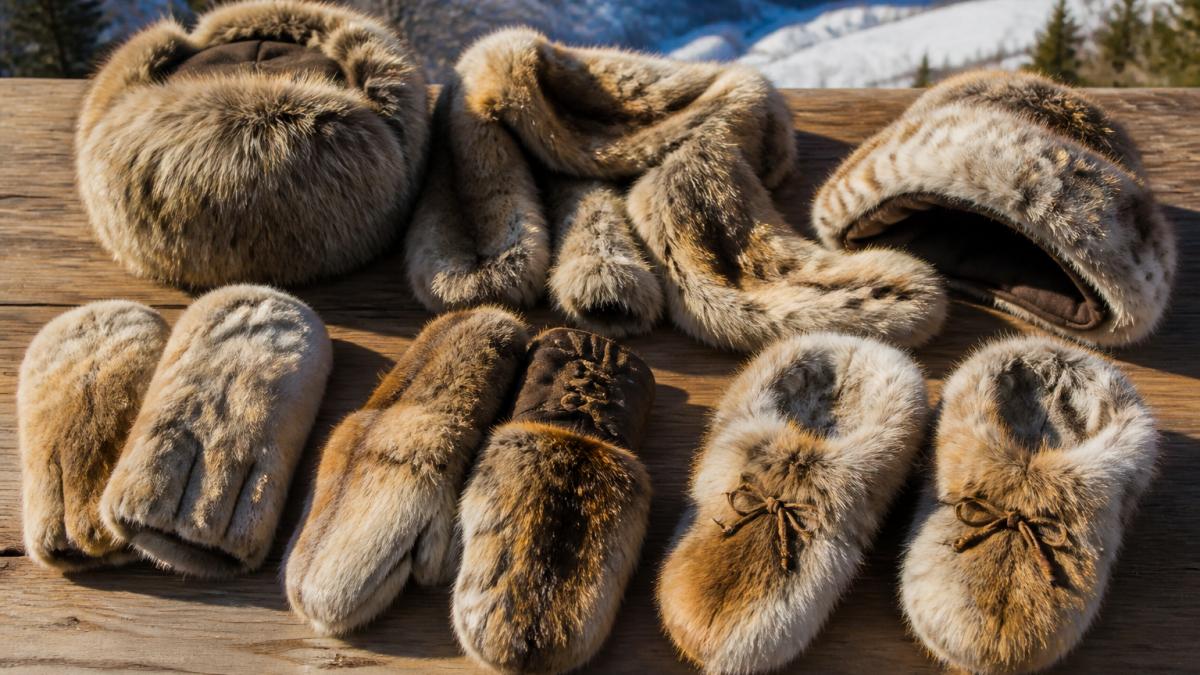
Fur accessories are the finishing layer that turns a functional western winter outfit into something worth remembering.
There is a practical case here, not just an aesthetic one. A fur hat blocks wind a ball cap lets through, and fur mittens keep fingers warmer than gloves because the fingers share heat.
Below, we break down seven accessories, how to style fur accessories with western pieces you already own, and how to keep each item looking new for years.
Quick Comparison: The 7 Best Fur Accessories for Western Winter Outfits
The table below summarizes all seven accessories by warmth, best use, and care needs.
| Accessory | Warmth Level | Best For | Care Level |
|---|---|---|---|
| Fur hat | High | Everyday wear, wind, ranch work | Medium |
| Fur scarf | High | Neck warmth, layering over denim | Medium |
| Fur mittens | Very high | Ranch, trail, deep cold | Medium |
| Fur-lined collar or vest | Medium | Layering without bulk | Low |
| Fur headband or ear warmer | Medium | Milder days, hair-friendly | Low |
| Fur-trimmed gloves | Medium | Driving, town days | Medium |
| Fur boot cuffs or leg warmers | Medium | Boot styling, draft blocking | Low |
Two accessories do most of the heavy lifting: a fur hat and fur mittens handle the coldest conditions. The rest are about styling and flexibility.
1. Fur Hats for Winter: The Crown of Any Cowgirl or Cowboy Look
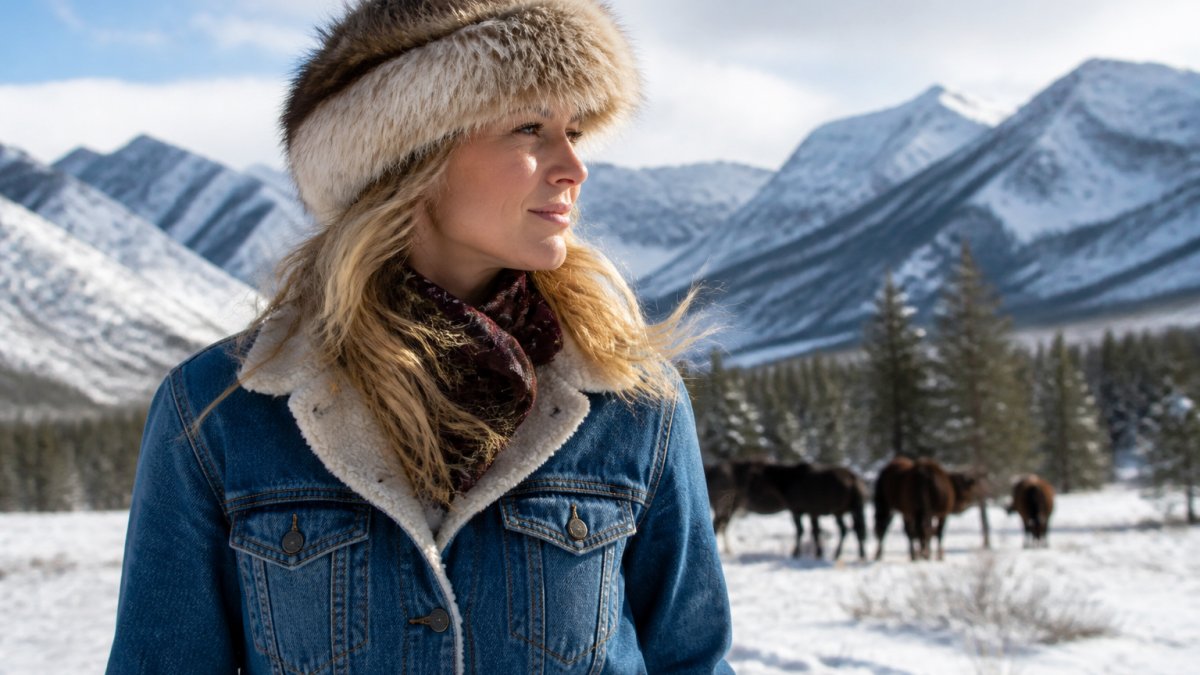
A fur hat is the single most useful accessory in a western winter wardrobe because it covers the area where you lose heat fastest.
Fur Hat vs. Cowboy Hat: What Works in Cold Weather
A cowboy hat is built for sun and rain, not deep cold. Felt and straw have no insulating layer, and the wide brim funnels wind around your neck.
A fur hat is built for the opposite problem: dense fibers trap warm air close to your head, and a close-fitting band seals the gap at your ears. Most people wear a fur hat for cold days and keep the cowboy hat for milder conditions and dressier occasions.
2. Fur Scarves: Warmth, Texture, and Western Flair
A fur scarf does two jobs at once: it seals the gap at your collar and adds the texture that makes a western outfit look intentional.
The styling rule that matters most is proportion. A bulky scarf over a bulky coat looks heavy; a slim fur scarf over a chunky sweater balances the silhouette. If your coat already has a fur-lined collar, skip the scarf or wear a thin one.
3. Fur Mittens: Functional Warmth for Ranch and Trail
Fur mittens beat gloves in real cold. When your fingers touch inside a mitten, they share warmth; gloves separate them and each finger has to heat itself.
For ranch work, choose mittens with a leather palm and a fur back. The leather gives you grip on a rope, gate latch, or feed bucket, while the fur keeps the back of your hand warm.
4. Fur-Lined Collars and Vests: Layering Without Bulk
A fur-lined collar or vest adds warmth to the layers you already own without the weight of another coat.
Wear a fur-lined vest over a turtleneck and under a denim jacket for a casual look, or over a sweater for a dressed-up version.
(https://blog.campbellfinefurs.com/best-western-style-fur-accessories) with western pieces comes down to three rules: keep one focal point, match your textures, and layer in the right order. Fur is a strong material, so let it lead and keep everything else quiet.- Pick one statement piece. If the hat is the star, keep the scarf slim and the gloves plain.
- Match warmth to the day. Mild weather calls for a headband and boot cuffs. Deep cold calls for the hat, scarf, and mittens together.
- Layer thin to thick. Base layer, then shirt, then sweater, then fur on top. Fur goes outermost so it can trap air.
Western Outfit Formulas by Occasion
| Occasion | Base Layers | Fur Accessory | Footwear |
|---|---|---|---|
| Casual town day | Turtleneck, leggings, denim jacket | Fur headband, fur-trimmed gloves | Knee-high boots |
| Chic evening | Sweater, fitted pants | Fur scarf, fur-lined vest | Heeled western boots |
| Deep cold ranch day | Thermal base, flannel, heavy coat | Fur hat, fur mittens, fur scarf | Insulated cowboy boots |
| Trail or hunting day | Wool base, fleece mid-layer | Fur hat, fur mittens | Lined boots, wool socks |
The fur accessory changes with the occasion, but the western foundation stays the same. Denim, leather, wool, and boots carry every one of these looks; the fur is what makes each one feel finished.
Weather-Specific Pairings
Cold-weather dressing fails when you wear the same accessories in 20-degree wind and 40-degree sun. Match the fur to the conditions:
- Wind and deep cold (below freezing): Fur hat with ear coverage, fur scarf, fur mittens. The hat seals the ears, the scarf seals the collar, and the mittens keep fingers sharing heat.
- Snow and wet cold: Fur-trimmed gloves or leather-palmed mittens, fur boot cuffs, and a fur-lined collar. The cuffs block snow from entering boot tops, and the collar adds warmth without a second coat.
- Milder cold (40s and up): Fur headband or ear warmer, fur scarf worn loose, and boot cuffs. You get the western texture without overheating.
Proportion and Silhouette Notes
Fur adds visual weight, so placement matters more than size. A petite frame looks best with a close-fitting fur headband, slim scarf, and ankle boot cuffs. A taller frame can carry a larger fur collar, fuller scarf, or statement hat. If you are between sizes, choose the smaller fur piece and let your denim and leather do the rest.
Faux Fur vs. Real Fur in Western Styling
Both materials work in western outfits, but they behave differently. Real fur traps air in a dense undercoat and holds warmth better at the same weight. Faux fur is made from synthetic fibers, which can be heavier and less breathable, but is often easier to clean and more widely available.
Fur Hat Care and Maintenance: Keeping Your Accessories Looking New
Fur hat care is simpler than most people expect, and doing it right is the difference between an accessory that lasts a few seasons and one that lasts many. The core rules apply to every fur item in this list.
- Brush, do not scrub. Use a soft brush in the direction of the fur to lift dust and restore loft.
- Shake, do not wash. Never submerge fur in water. Shake it out after wear and let it air.
- Dry away from heat. Hang in a cool, ventilated spot. Heat is the enemy of both fur and leather.
The shedding question has a real answer: cheap fur accessories shed because the hide was poorly tanned or the fur was cut short. Well-tanned hides hold their fibers.
Care by Accessory Type
Different accessories need different handling:
- Fur hats: Brush the crown and band after each wear. Store on a shelf or in a box that holds its shape. Avoid crushing the crown under other items.
- Fur scarves: Fold loosely rather than hanging, which can stretch the fibers. Spot-clean only with a damp cloth if needed, and air out after wearing against skin.
- Fur mittens: Dry leather palms away from heat. Condition leather once a season with a leather balm to prevent cracking. Never machine wash.
Faux Fur Care Differences
Faux fur is easier to maintain but less forgiving of heat. Most can be spot-cleaned with mild soap and water, and some pieces can be hand-washed, but always check the label first. The main risks are matting and melting: high heat from a dryer or iron can fuse the synthetic fibers permanently. Air dry only, and brush with a wide-tooth comb or soft brush to restore texture.
Storage and Seasonal Maintenance
At the end of the season, clean every piece before storing, dirt and oils attract moths and break down fibers over time. Store fur items in a cool, dark place with airflow, keeping heavier pieces separate so they do not crush lighter ones, and check once mid-season for signs of moths or moisture.
Matching Accessories to Budget, Body Type, and Occasion
Not everyone needs the full set. A few honest guidelines:
- Tight budget: start with a fur headband or boot cuffs. They deliver the western look at the lowest entry point.
- Mid budget: add a fur scarf. It layers over everything and works in almost any weather.
- Full investment: the hat and mittens are the two pieces that change how cold you actually feel.
Body type matters less than proportion. Shorter, closer-fitting fur pieces keep a petite frame from looking swallowed, while larger fur collars and scarves add visual weight that suits taller frames. If unsure, a scarf is the safest first buy because it flatters everyone. Everyday wear favors durable, neutral pieces; dressy occasions allow a bolder scarf or a statement hat.
Frequently Asked Questions
What fur accessories are warmest for winter?
Fur hats, fur mittens, and fur scarves provide the most warmth because they trap air close to your body. Natural fur insulates even when damp, which matters for long periods outdoors. For western winter outfits, a fur hat covers your ears and head, mittens keep fingers together for shared warmth, and a fur scarf seals the gap at your neck. Layering these three pieces with a denim jacket or wool coat handles most cold-weather conditions.
Can you wear a fur hat with a cowboy hat?
You can wear a fur hat instead of a cowboy hat in cold weather, but stacking one on top of the other does not work well. A better approach is choosing a fur hat with a western silhouette, such as a fur trapper hat or a fur-lined cowboy style, so you get warmth without losing the western look. If you want to keep your cowboy hat visible, try a fur-lined collar or a fur scarf instead.
How do you care for fur accessories in winter?
Shake your fur accessories after each wear to remove loose debris, then hang them on a wide padded hanger away from direct heat. If they get wet, let them air dry at room temperature, never near a radiator or fireplace. Brush the fur gently with a soft-bristled brush in the direction of the hair. Store fur hats, mittens, and scarves in a breathable cotton bag during warmer months. For deeper cleaning, work with a specialist rather than using home remedies.
Is faux fur or real fur better for western winter outfits?
Both work, but they serve different priorities. Real fur offers superior warmth, natural texture, and longevity when cared for properly. Faux fur costs less upfront and suits buyers who prefer synthetic materials. For western style, faux fur can replicate the look of fox or coyote at a lower price point, but it may mat or shed faster with heavy use. Think about how often you wear the piece, your budget, and how much maintenance you want before deciding.
Cold weather does not have to mean bulky, shapeless layers. The right fur accessories keep you warm at the edges and give a western outfit the texture and depth it needs. Campbell Fine Furs makes high-quality, artisanal fur hats, scarves, and mittens designed for exactly this, along with tastefully styled pieces that move between the ranch, the trail, and town. Browse the collection and build a winter wardrobe that actually holds up. View All Products.