 blog
blog
10 Essential Western Fur Items for Outdoor Enthusiasts
Table of Contents
- Why Fur Still Belongs in Modern Outdoor Gear
- 1. Fur Hats: The Best Fur Hats for Hunting and Cold Weather
- 2. Fur-Lined Gloves and Mittens for Field Use
- 3. Fur Scarves and Neck Warmers: Layering That Works
- 4. Fur-Lined Footwear and Boot Inserts
- 5. Fur Vests and Outer Layers for Winter Expeditions
- 6. How to Clean Fur Accessories Without Damaging the Pelt
- 7. Ethical Sourcing and Traceability in Western Fur
- How to Choose Between Real Fur and Faux Fur
- Common Mistakes to Avoid
- Caring for Your Fur Gear in the Off-Season
- Where Campbell Fine Furs Fits In
- Frequently Asked Questions
Last Updated: September 28, 2026
Why Fur Still Belongs in Modern Outdoor Gear
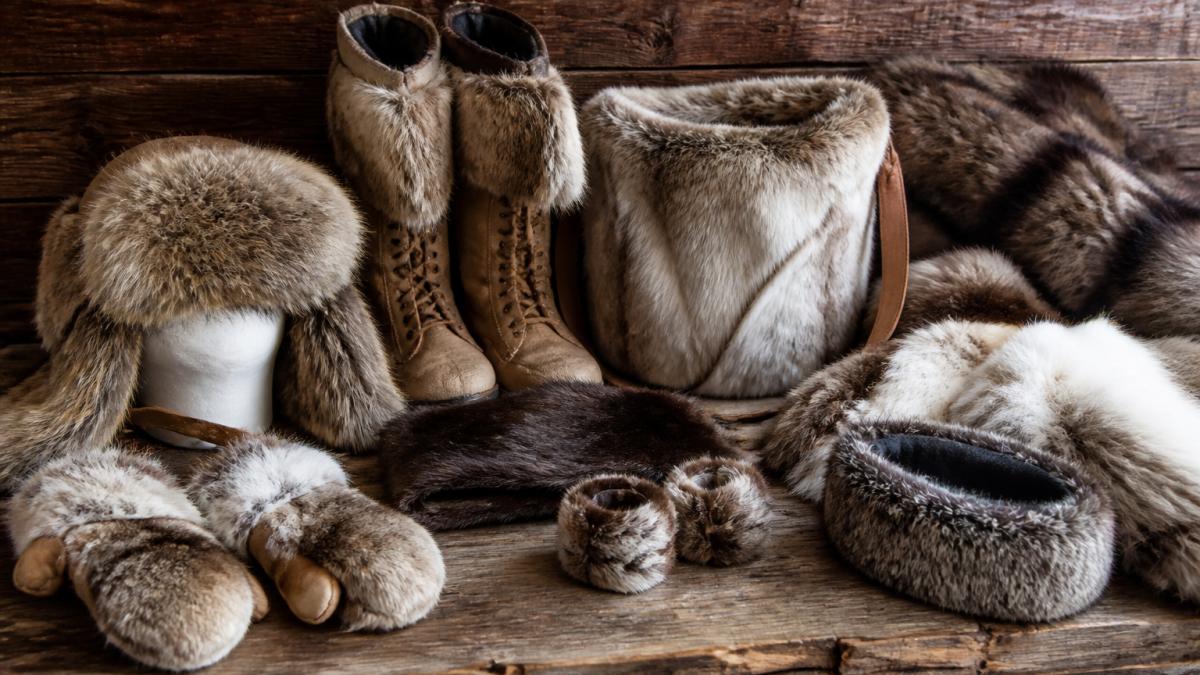
Fur is one of the oldest performance materials in cold-weather gear, and it still beats most synthetics at thermal regulation when wet. This guide from Campbell Fine Furs covers 10 essential western fur items for outdoor enthusiasts, from hats to boot inserts. Natural fibers trap air, wick moisture, and keep working after they get damp.
1. Fur Hats: The Best Fur Hats for Hunting and Cold Weather
The best fur hats for hunting block wind, shed light snow, and cover the ears without muffling sound. Look for a full-pelt crown and a flat-lying lining.
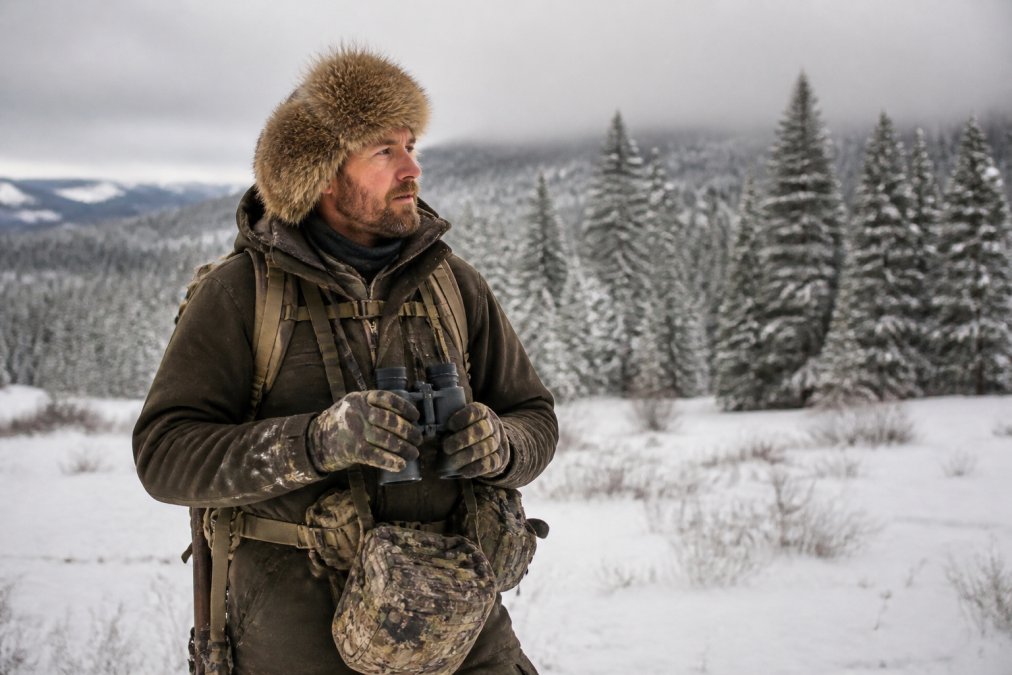
What Separates a Hunting Hat from a Fashion Hat
A hunting hat is built for function. A fashion hat is built for looks.
- Pelt quality: Dense, thick fur with tight underfur holds heat better.
- Fit: Snug enough to stay put in wind, loose enough for a liner.
- Ear coverage: Full flaps or a tall crown that folds down.
- Sweatband: Leather or wool keeps fur off your skin.
2. Fur-Lined Gloves and Mittens for Field Use
Fur-lined gloves and mittens keep fingers warm when working a trigger, zipper, or rope. Mittens run warmer because fingers share heat.
For field use, look for:
- Leather outer shell for grip and abrasion resistance
- Fur lining for insulation and moisture-wicking
- Wrist cinch to seal out snow
3. Fur Scarves and Neck Warmers: Layering That Works
A fur scarf or neck warmer seals the gap between jacket collar and hat, where most body heat escapes. Cover it and you feel the difference within minutes.
Layering works best in this order:
- Base layer against the skin
- Mid layer for insulation
- Fur scarf or neck warmer
- Outer shell
4. Fur-Lined Footwear and Boot Inserts
Cold feet end more winter outings than cold hands. Fur-lined footwear and boot inserts add insulation under and around the foot.
What to look for:
- Removable inserts so you can dry them separately
- Natural fur lining for breathability
- Waterproof outer to keep the fur from soaking through
5. Fur Vests and Outer Layers for Winter Expeditions
A fur vest adds core warmth without bulk on the arms. That matters when you are moving and need range of motion.
For winter expeditions, a fur vest works as:
- A mid layer under a shell
- A standalone layer on milder days
- A camp layer once you stop moving
6. How to Clean Fur Accessories Without Damaging the Pelt
Field use is hard on fur. Mud, blood, tree sap, road salt, and woodsmoke all end up in the pelt. Most care guides assume a fur coat worn to dinner. This one assumes a fur hat worn through a January hunt.
Match the Cleaning Method to the Contaminant
- Loose dirt and dried mud: Let it dry completely, then brush it out with the grain using a soft-bristled brush. Brushing damp mud drives it into the underfur.
- Fresh blood: Blot, do not rub. Rubbing spreads it into the leather. A damp cloth with cool water and a drop of mild soap, worked from the outside of the stain inward, lifts most of it before it sets.
- Road salt and ice-melt residue: The most underestimated threat. Salt draws moisture out of the leather backing and stiffens it. Wipe the fur and exposed leather with a cloth dampened in cool water, then air dry away from heat.
- Tree sap or pitch: Chill the spot so the sap hardens, then pick it off with a fingernail or dull edge. Solvents that remove sap from canvas will strip the natural oils from fur.
- Smoke and body oils: These build up around the sweatband and collar line. A light brush-out after each trip keeps them from matting the underfur.
Waterproofing Without Ruining the Pelt
Do not apply spray-on waterproofing designed for synthetic shells to fur, most are built for nylon and polyester and leave a stiff film on hair.
What actually works in the field:
- Keep water off the leather, not the hair. The hair sheds light snow and rain on its own; the leather backing fails when it soaks through. A fur hat with a leather or waxed-canvas crown section lasts longer than one with exposed leather everywhere.
- Use a leather-safe conditioner on the backing, not the fur. A thin coat of a neutral leather conditioner on the inside of the hat or the palm side of a mitten keeps the leather supple. Follow the product's own directions.
- Air-dry at room temperature, never near a fire, radiator, or heater vent. Heat cracks leather and makes hair brittle. A wet pelt dried slowly in a cool room comes back soft; dried next to a woodstove, it comes back stiff.
- Re-brush after drying. Once the fur is fully dry, brush with the grain to lift the hairs and reset the loft.
What Never to Do
- Never machine wash or tumble dry, even on a gentle cycle.
- Never use a hot hair dryer or a heated drying rack.
- Never store a damp pelt. Even a slightly damp hat sealed in a bag will grow mold and shed hair.
- Never use bleach, enzyme cleaners, or pet-stain removers. They break down the protein structure of the hair.
Seasonal Deep Clean
Once a year, before warm-weather storage, inspect for matting behind the ears, bald spots along the sweatband, and stiffness in the leather. Stiff leather is the first sign of moisture damage and the hardest to reverse.
7. Ethical Sourcing and Traceability in Western Fur
Ethical sourcing starts with knowing where the pelt came from. Ask the seller for the source and how the animal was taken.
What to look for:
- Named source: a specific trapper, farm, or region
- State or federal wildlife rules followed during harvest
- Clear answers to direct questions about origin
How to Choose Between Real Fur and Faux Fur
Most guides frame this as real versus fake. The more useful question is which natural fur, because the performance gap between beaver, coyote, and rabbit is wider than the gap between real fur and the best synthetics.
How Natural Furs Actually Compare in the Cold
Fur insulates by trapping air in the underfur, the dense, short layer beneath the longer guard hairs. The denser the underfur, the warmer the pelt; guard hair length and texture determine how well it sheds snow and wind.
- Beaver: Dense, oily underfur that resists water better than almost any other natural fur. This is the traditional choice for cold, wet conditions. Heavier than most alternatives, but it keeps working when damp.
- Coyote: Long guard hairs that shed snow and break wind well. Lighter than beaver and warmer than its weight suggests. Common in hat crowns and trim.
- Fox: Very warm for its weight, with a deep underfur. Less water-resistant than beaver. Best in dry cold.
- Rabbit: Soft and warm but the least durable of the common furs. Shears and mats faster under field use. Fine for a liner, weak as an outer layer.
- Shearling and sheepskin: Wool-backed rather than pelt-backed. Breathes well and handles sweat better than most pelts, which makes it a strong choice for boot liners and glove linings.
Where Synthetics Still Win
Fur is not the right answer for every piece of gear. Synthetics win on:
- Weight per unit of warmth on long backcountry trips where every ounce counts.
- Packability, a synthetic puffy stuffs into a pocket; a fur hat does not.
- Drying speed once soaked through. Fur dries slowly and should not be force-dried.
- Cost at entry level. A basic synthetic beanie costs a fraction of a quality fur hat.
Where Fur Still Wins
- Warmth when wet. Synthetic insulation loses loft when it soaks. Fur does not.
- Wind resistance. Dense guard hair blocks wind without a separate shell.
- Lifespan. A well-cared-for pelt can outlast several generations of synthetic gear.
- Quiet. Fur does not rustle or crinkle the way nylon shells do, which matters when you are still-hunting.
Real vs. Faux: The Practical Call
Faux fur has improved, but it still mats, sheds, and loses shape faster than real fur under field use. It also does not regulate moisture like natural fiber, so it can feel clammy against the skin.
| Factor | Real Fur | Faux Fur |
|---|---|---|
| Warmth when wet | High | Low |
| Wind resistance | High | Low to moderate |
| Lifespan with care | Decades | A few seasons |
| Cleaning | Spot clean only | Often machine washable |
| Sourcing | Traceable | Often unclear |
| Weight | Heavier | Lighter |
Common Mistakes to Avoid
- Buying by looks alone. Thin pelts look fine on a rack and fail in the cold.
- Skipping the sweatband. Fur against bare skin gets matted and oily fast.
- Washing instead of spot cleaning. Water ruins the leather backing.
- Storing in plastic. Traps moisture and causes shedding.
- Not asking about sourcing. You cannot verify what the seller will not tell you.
Caring for Your Fur Gear in the Off-Season
Store fur somewhere cool, dark, and dry. Heat and light dry out the hairs. Humidity invites moths.
A few habits that add years to a pelt:
- Brush before storage
- Use a cotton bag, never plastic
- Keep away from radiators and direct sun
- Check once mid-season for pests
Where Campbell Fine Furs Fits In
Campbell Fine Furs makes artisanal fur accessories and Western-inspired goods for people who spend time outdoors, including fur hats, scarves, mittens, and home pieces like blankets and pillows, all built around quality pelts and traditional craftsmanship.
Frequently Asked Questions
What are the benefits of wearing fur for outdoor activities?
Natural fur provides insulation that synthetic materials struggle to match in extreme cold. The dense fibers trap air and regulate body temperature, keeping you warm without overheating during active movement. Fur also resists moisture buildup better than many synthetic fills, and it holds up to years of field use. For trappers, hunters, and anyone spending long hours outside in winter, these western fur items offer durability and warmth that mass-produced gear often cannot replicate.
How do you maintain fur accessories used in outdoor environments?
Shake off loose debris after each use and hang items to dry away from direct heat. For deeper cleaning, spot-treat stains with a damp cloth and mild soap, then let the item air dry naturally. Never machine wash or submerge fur in water. Store accessories in a breathable cotton bag during warmer months, away from sunlight and humidity. Following these steps for how to clean fur accessories extends the life of your gear significantly.
Are fur-lined items better for cold weather hunting than synthetic alternatives?
Fur-lined gloves, hats, and footwear outperform many synthetic options in sustained cold because natural fibers provide consistent insulation even when damp. Synthetic fills can lose loft when compressed or wet, while fur maintains its structure. That said, the best choice depends on your activity level and climate. For stationary hunting in freezing temperatures, fur-lined gear keeps hands and feet warmer for longer periods than most synthetic equivalents.
How do I know western fur items are ethically sourced?
Ask the seller directly about their sourcing practices. Reputable artisans can explain where pelts come from, how they are obtained, and whether they follow state and federal wildlife regulations. Look for sellers who provide clear answers rather than vague marketing claims. Campbell Fine Furs prioritizes traditional craftsmanship and responsible sourcing, and you can reach out through their website with specific questions before purchasing.
Cold weather does not forgive gear that looks good but fails in the field. The right fur items keep you warm, dry, and moving when synthetics quit. Campbell Fine Furs builds fur hats, scarves, mittens, and outer layers with quality pelts and traditional methods, plus Western lures and baits for trappers. Browse our collection to find pieces made to last for seasons, not just one. Get started with Campbell Fine Furs and gear up for the cold.