 ultimate-guide
Handcrafted Fur Gear for Winter: 2026 Buying Guide
Table of Contents
- Why Handcrafted Fur Gear for Winter Outperforms Synthetic Alternatives
- Essential Handcrafted Fur Gear for Winter: Hats, Mittens, and More
- Best Fur Hats for Hunting: Performance in Extreme Cold
- Durability of Handcrafted Fur vs Synthetic: A Technical Comparison
- How to Clean Real Fur Accessories: DIY Maintenance and Repair
- Ethical Sourcing and Sustainability Transparency in Handcrafted Fur
- Customization and Bespoke Services for Your Winter Fur Gear
- Conclusion: Choosing Handcrafted Fur Gear for Winter 2026
- Frequently Asked Questions
Last Updated: September 15, 2026
Why Handcrafted Fur Gear for Winter Outperforms Synthetic Alternatives
Walk into any big-box store in October and you'll find racks of polyester gloves promising warmth. They rarely deliver in real cold. Handcrafted fur gear for winter works differently, and the reason comes down to biology, not marketing. Natural pelts trap air in a dense underlayer of fibers that synthetic fleece can only imitate. That structure regulates temperature as your activity level changes, which is why trappers, hunters, and anyone working outdoors in genuine cold still reach for fur over foam and plastic.
At Campbell Fine Furs, we understand the frustration of gear that doesn't last. That's the synthetic problem in miniature. This guide covers what actually keeps you warm, how to clean and repair what you own, and how to tell real ethical sourcing from a marketing claim.
Natural Insulation and Thermal Regulation
Fur insulates by trapping a layer of still air against your skin. Each hair shaft has a hollow core and a natural crimp that holds that air in place even when you move. Synthetic batting compresses under pressure, so the insulation collapses exactly when you need it most. Real fur resists that compression, which is why a well-made fur hat stays warm on a long snowshoe trek rather than only for the first mile.
Breathability and Moisture-Wicking in Extreme Cold
Sweat is the real enemy in extreme cold. If moisture can't escape, it freezes against your skin and you lose heat fast. Natural fibers move vapor away from your body while holding warmth, a balance synthetic shells struggle to match. This is where fur outperforms: it breathes. A sealed synthetic glove traps moisture; a fur-lined mitten releases it.
Essential Handcrafted Fur Gear for Winter: Hats, Mittens, and More
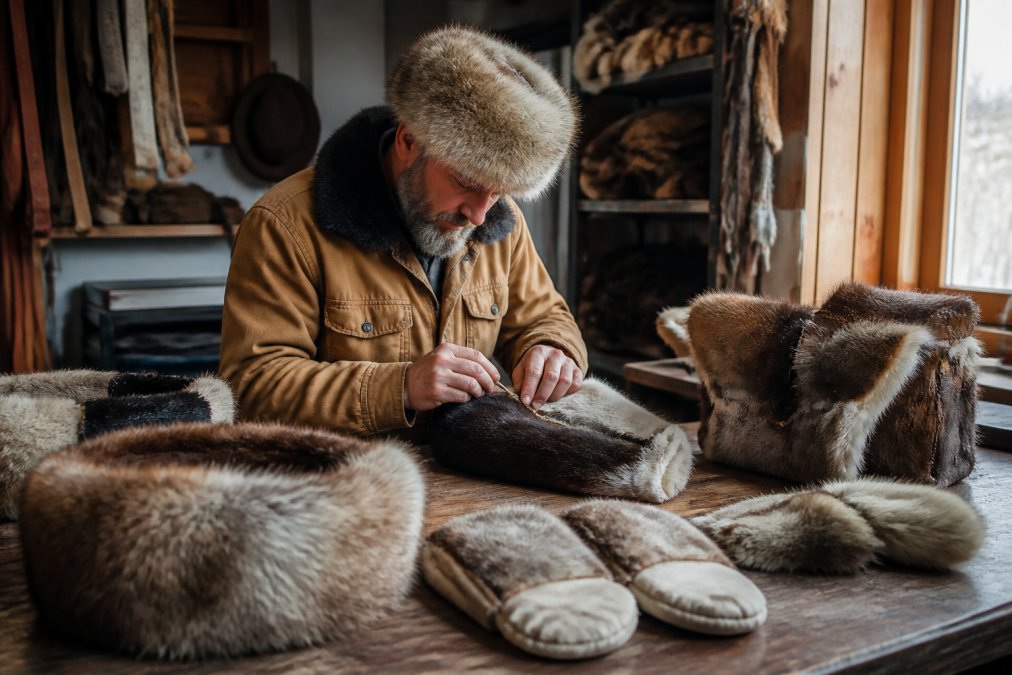
The core pieces of a winter fur kit are a trapper hat, fur mittens, and a hand-muff for anyone who can't work in gloves. Each serves a different job. Mittens keep fingers together for shared warmth, which beats gloves in extreme cold. A hand-muff lets you keep your hands free while staying warm between tasks, popular with photographers and anyone running a trap line.
| Item | What It's Best For | Key Trait |
|---|---|---|
| Trapper hat | Hunting, daily wear | Ear flaps, wind-resistant crown |
| Fur mittens | Deep cold, low activity | Shared warmth, moisture-wicking lining |
| Hand-muff | Active work, quick access | Hands-free warmth, rugged style |
| Shearling scarf | Layering, gift giving | Breathability, soft against skin |
Trapper Hats and Hand-Muffs for Rugged Style and Stealth
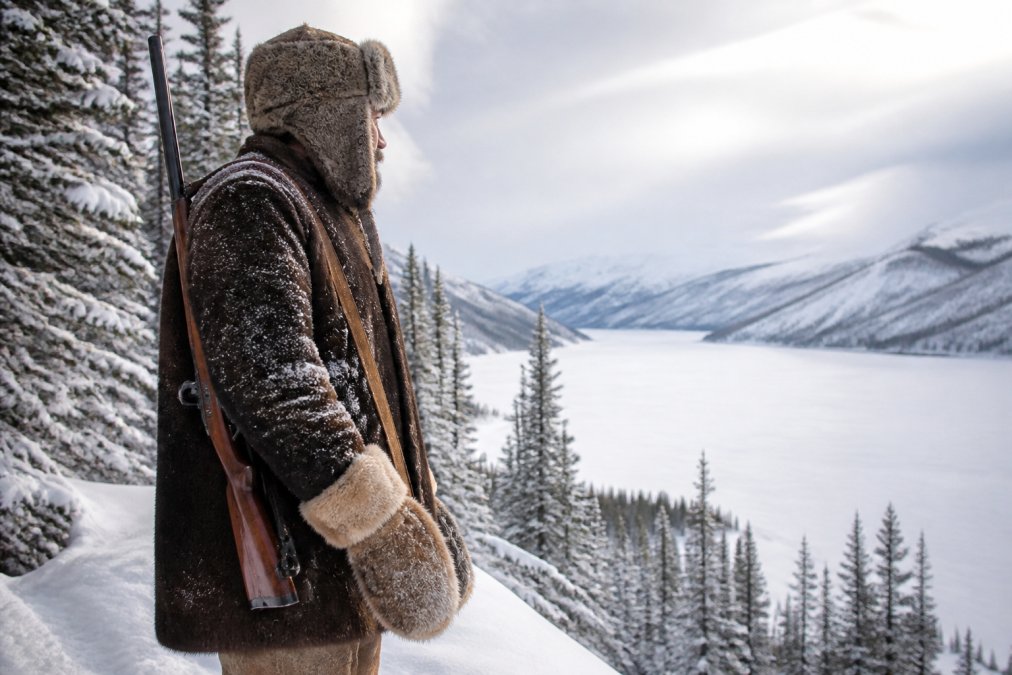
A trapper hat earns its name honestly. The ear flaps and full crown coverage were designed for people who spent all day outside in wind and snow. In camo gear or a natural pelt color, the same hat reads as quiet and low-profile in the field. Hand-muffs follow the same logic: no dangling straps, no bulk catching on brush, just warmth where you need it.
Best Fur Hats for Hunting: Performance in Extreme Cold
The best fur hats for hunting combine wind resistance, full ear coverage, and a fit that stays put when you're glassing or tracking. Look for a hat with a firm crown that won't shift under a hood, ear flaps you can tie up when you're moving, and a lining that manages moisture. Long-pile fur traps more air; a tighter pile sheds snow better. Match the hat to how you hunt, not to a catalog photo.
Durability of Handcrafted Fur vs Synthetic: A Technical Comparison
Handcrafted fur wins on durability, but only if it's made and stored correctly. The difference shows up after a few seasons, not a few weeks. Here's how the two compare on the factors that decide whether gear survives.
| Factor | Handcrafted Fur | Synthetic |
|---|---|---|
| Lifespan | Decades with care | A few seasons |
| Shedding | Minimal when properly tanned | Pilling and fiber loss |
| Repair potential | Re-stitch, re-line, re-block | Usually replaced |
| Cold performance | Holds warmth when compressed | Loses loft under pressure |
Longevity, Shedding, and Repair Potential
Shedding can be a concern with fur, and it often traces back to tanning, not the fur itself. A properly tanned pelt holds its hair. A cheaply processed one drops it. Hand-stitched construction also means a seam can be repaired rather than the whole piece thrown out. That repair potential is the quiet advantage of heritage craftsmanship: a good hat is a long-term item, not a disposable one.
Warmth-to-Weight by Fur Type: A Practical Comparison
Here's a working framework for comparing fur types, based on fiber density, guard-hair length, and how each pelt behaves when compressed.
| Fur Type | Relative Warmth | Weight | Best Use | Trade-off |
|---|---|---|---|---|
| Beaver | Very high | Heavier | Hats, mittens for deep cold | Bulky; slower to dry |
| Coyote | High | Medium | Trapper hats, trim | Long guard hairs catch brush |
| Fox | High | Light | Hats, scarves, styling | Softer; less abrasion-resistant |
| Rabbit | Moderate | Very light | Linings, dress gloves | Mats easily with wear |
| Shearling | High | Heavy | Mittens, boot liners | Retains moisture longer |
| Synthetic fleece | Moderate | Light | Budget gloves | Loses loft when wet or compressed |
The mechanism behind the ranking is simple: warmth comes from trapped still air, and the denser the underfur, the more air a pelt holds per square inch. Beaver and coyote pack the most underfur per unit area, which is why they feel heavier but stay warm when a synthetic batt compresses flat. Fox and rabbit trade some density for lighter weight, which matters if you're covering distance on snowshoes or carrying gear.
Why Compression Is the Real Test
A glove or hat only fails in the field when it's compressed, under a rifle stock, inside a pack strap, or against a hood. Synthetic batting loses loft permanently after repeated compression cycles. Natural fur fibers have a natural crimp and a hollow core that spring back, so the air layer rebuilds. That's the difference between a hat that's warm on mile one and one that's still warm on mile ten.
How to Clean Real Fur Accessories: DIY Maintenance and Repair
Cleaning real fur is mostly about what you don't do. Never soak a fur accessory in water, never use heat, and never reach for a standard detergent. Water and heat dry out the leather backing and cause shedding.
Ethical Sourcing and Sustainability Transparency in Handcrafted Fur
How to Verify a Sourcing Claim
Why Durability Is the Strongest Sustainability Argument
What Transparency Looks Like in Practice
Customization and Bespoke Services for Your Winter Fur Gear
Conclusion: Choosing Handcrafted Fur Gear for Winter 2026
Frequently Asked Questions
What should I look for when buying artisanal fur gear for winter?
Check the fur type (shearling, long-pile, or natural pelts), stitching quality (hand-stitched vs machine), and whether the gear is designed for extreme cold. Look for wind-resistant outer layers and breathable linings. Ask about tanning methods and ethical sourcing. A reputable seller will provide details on durability, custom-fit options, and care instructions. Avoid mass-produced items that shed quickly. For hunting, prioritize stealth and thermal regulation over fashion.
How do you properly care for and store handcrafted fur accessories?
Shake off dirt after each use and brush with a soft-bristle brush. For spot cleaning, use a damp cloth with mild soap, then air dry away from heat. Never machine wash or dry. Store in a breathable cotton bag in a cool, dry place, away from direct sunlight. For deep cleaning, consult a fur specialist. Regular maintenance prevents shedding and preserves the natural oils in the pelts. Avoid plastic bags, which trap moisture and damage the fur.
Is real fur more sustainable than synthetic fleece?
Real fur is biodegradable and often produced with lower environmental impact than synthetic fleece, which sheds microplastics. Handcrafted fur gear from ethically sourced pelts supports heritage craftsmanship and can last decades with proper care. However, sustainability depends on sourcing practices. Look for transparency about trapping and tanning methods. Synthetic alternatives may be cheaper but degrade faster and contribute to landfill waste. Choose based on your values and long-term use.
How does the durability of handcrafted fur compare to synthetic gear?
Handcrafted fur gear typically outlasts synthetic alternatives by years. Natural pelts resist wear, retain insulation even when damp, and can be repaired. Synthetic materials may pill, lose loft, and tear. However, fur requires proper storage and cleaning to avoid shedding. Regular brushing and professional cleaning extend its life. For extreme cold, fur's durability and thermal regulation make it a reliable choice for hunters and outdoor enthusiasts.
Winter doesn't reward gear that quits halfway through the season, and neither should your buying decision. Campbell Fine Furs offers handcrafted fur hats, mittens, scarves, and accessories made for real cold and built to be repaired rather than replaced. Explore the full collection and choose a piece made to last for years, not one season. View All Products.