 ultimate-guide
Luxury Fur Mittens Pricing Guide: Costs & Value
Table of Contents
- Key Factors That Determine Luxury Fur Mittens Pricing
- Real Fur vs Faux Fur Mittens Comparison: What You're Paying For
- Price Ranges by Fur Type and Material
- How to Clean Luxury Fur Accessories and Maintain Their Value
- Investment Value Analysis: Are Luxury Fur Mittens Worth It?
- Sourcing Ethics and Sustainability in Luxury Fur
- Conclusion
- Frequently Asked Questions
Last Updated: September 26, 2026
Key Factors That Determine Luxury Fur Mittens Pricing
Luxury fur mittens pricing is driven by four variables: fur type, pelt grade, construction method, and lining material. A mink mitten and a beaver mitten can look similar on a shelf, but the hide quality and labor behind each one push them into completely different price brackets.
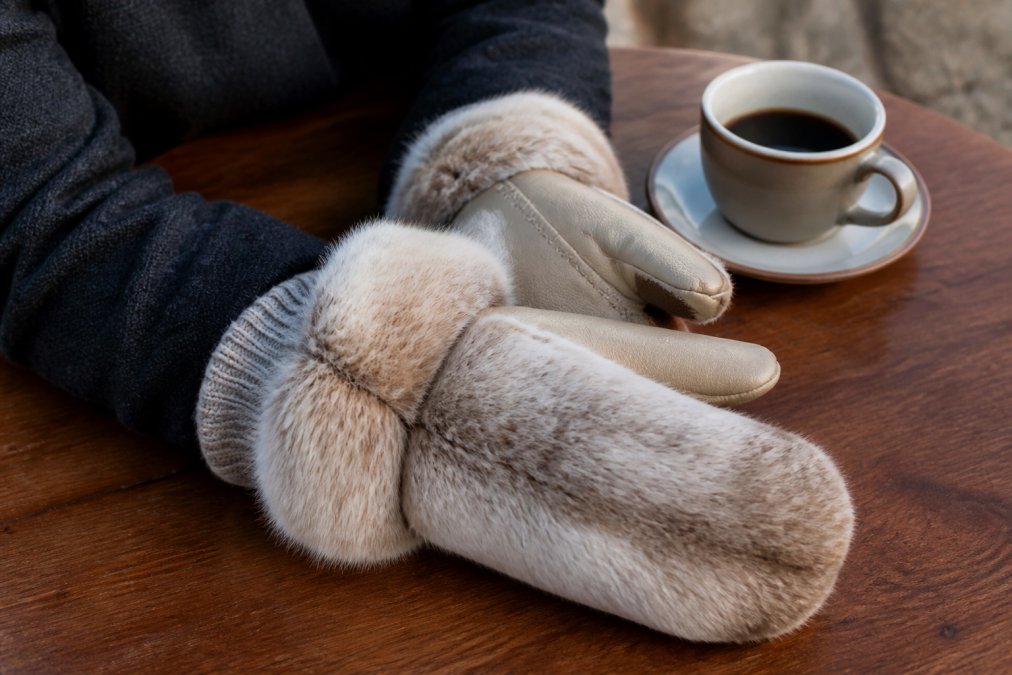
The single biggest cost driver is the fur itself.
Real Fur vs Faux Fur Mittens Comparison: What You're Paying For
The real fur vs faux fur mittens comparison comes down to thermal performance and lifespan, not just ethics. Natural fur fibers trap air in a dense undercoat, which is why genuine fur holds warmth in conditions where synthetic pile flattens and loses loft.
The Mechanism Behind the Warmth Gap
Fur works as a two-layer system. The undercoat is dense and crimped, trapping a layer of still air against the skin. The guard hairs sit on top and shed wind and moisture. That structure is why fur keeps working when it's damp and why it recovers loft after a shake. Synthetic pile is a single-layer knit: once the fibers mat, the trapped-air layer collapses, and no amount of brushing restores it.
What Faux Fur Has Actually Improved
Faux fur has improved dramatically. Modern acrylic and modacrylic blends mimic the look of sheared mink or beaver fur convincingly in photographs. What they can't replicate is durability. Synthetic fibers mat down with wear, and a faux fur trim that looks plush in November often looks tired by February. Real fur, stored correctly, can be worn for decades and even passed down.
The Cost-Per-Winter Math
The honest comparison isn't sticker price; it's cost per winter of wear. A faux pair that lasts two seasons and a genuine pair that lasts twenty are not in the same category once you divide by seasons worn. That durability gap is the honest argument for natural fur. It's also why pre-owned fur accessories hold resale value while faux pieces rarely do.
Care Costs: The Hidden Line Item
Faux fur is machine-washable in most cases, which keeps care costs near zero. Genuine fur requires professional cleaning every few seasons, and that service is a real recurring cost. The trade-off is that professional cleaning restores the piece rather than just refreshing it, so the money goes toward extending lifespan rather than replacing a worn-out item.
Resale: Where the Gap Widens
Pre-owned fur accessories with strong pelts and intact linings command real resale value. Faux fur almost never does. That resale floor is what makes the genuine pair an asset rather than a consumable, and it's the single clearest difference between the two categories over a ten-year horizon.
How to Decide
- Choose faux fur if the piece is a costume, a trend-driven accessory, or a gift where the recipient's storage habits are unknown.
- Choose genuine fur if you'll wear it regularly in genuine cold, you'll store it correctly, and you want a piece that holds value.
- Choose pre-owned genuine fur if you want the durability and resale floor without the new-retail premium, provided the pelts and linings are intact.
Price Ranges by Fur Type and Material
Pricing tiers in this category track fur type almost exactly, and the spread is wide. Rather than quote figures that shift with the market, here's how the tiers stack up by material and what each one buys you, plus the structural reasons the numbers land where they do.
| Fur Type | Relative Price Tier | Warmth | Typical Use |
|---|---|---|---|
| Sheared mink | Highest | Moderate | Dressy, formal wear |
| Mink (full guard) | High | High | Everyday luxury |
| Finnraccoon | Mid-to-high | Very high | Cold-weather accessories |
| Beaver fur | Mid | Very high | Rugged, outdoor use |
| Coyote | Mid | High | Fur trim, casual wear |
| Faux fur | Lowest | Low-to-moderate | Fashion, budget gifting |
A Comparative Price Index, Not a Price List
A single dollar figure ages the moment auction results move, so the more useful tool is a relative index you can apply to any current quote. Think of it as a multiplier stack: start with the fur type, then apply the backing, then the lining, then the construction method. Each layer moves the number, and the layers compound rather than add.
- Fur type sets the base band. Sheared mink and full-guard mink sit at the top of the band; beaver and coyote sit in the middle; faux fur sits at the floor.
- Backing moves the band by a meaningful step. Leather palms require more skilled labor and better hide matching than fabric, so a leather-backed pair in the same fur will always sit above a fabric-backed one.
- Lining is the smallest single multiplier but the most visible one. Cashmere and silk linings signal a dressy piece; fleece and unlined signal utility.
- Construction is where the range widens most. Hand-stitched seams, matched pelts, and adjustable wrists separate a bespoke pair from a machine-sewn import even when the fur species is identical.
Why the Same Fur Can Sit in Two Different Bands
Two mink mittens at the same listed price can perform very differently after a season, and the reason is almost always pelt grade rather than species. A common pattern is that lower-grade pelts are matched loosely, so one mitten sheds or flattens before the other. Higher-grade pelts are matched for nap direction, density, and color, which is why a well-graded pair holds its shape through repeated wear.
What Each Tier Actually Buys You
- Highest tier (sheared mink): dressy finish, velvet nap, best for formal wear and city winters where appearance matters as much as warmth.
- High tier (full-guard mink): everyday luxury with strong warmth and a nap that resists matting better than sheared finishes.
- Mid-to-high tier (finnraccoon): very high warmth, longer guard hairs, best for genuinely cold climates and outdoor use.
- Mid tier (beaver, coyote): rugged durability and high warmth, best for work gloves, casual wear, and fur trim.
- Lowest tier (faux fur): fashion and budget gifting, with the trade-off that synthetic pile flattens faster than natural fur.
How to Clean Luxury Fur Accessories and Maintain Their Value
Knowing how to clean luxury fur accessories is what separates a mitten that lasts three seasons from one that lasts thirty. The core rule: keep water off the fur and the leather, and never machine wash or tumble dry.
- Store in a breathable pouch, never plastic
- Keep away from radiators, vents, and direct sunlight
- Brush the nap lightly with a soft-bristled brush after wear
- Address spills immediately by blotting, never rubbing
- Have pieces professionally cleaned every few seasons, not every year
Investment Value Analysis: Are Luxury Fur Mittens Worth It?
Luxury fur mittens behave more like durable goods than fast fashion. The investment case rests on cost-per-winter rather than sticker price, and on how well the piece holds value if you ever resell it.
Sourcing Ethics and Sustainability in Luxury Fur
That transparency is also why handcrafted, bespoke work matters. Small-batch makers know their supply chain because they handle the pelts themselves, from matching pairs to finishing the leather palm.
Conclusion
The hardest part of buying fur isn't finding a pair; it's judging whether the price reflects real quality or a label. Focus on fur type, pelt grade, construction, and lining, and the number starts to make sense.
Frequently Asked Questions
What factors influence the price of luxury fur mittens?
The price of luxury fur mittens depends on fur type (mink, fox, beaver), quality of pelts, craftsmanship (handmade vs. machine-made), and lining material (cashmere, silk). Rarer furs and intricate designs increase cost. For specific pricing, check Campbell Fine Furs' website as prices vary.
Are real fur mittens warmer than synthetic alternatives?
Yes, real fur provides superior insulation due to its natural structure that traps air. It also regulates temperature better and resists moisture. However, faux fur has improved but still lacks the same thermal properties. For extreme cold, real fur like beaver or mink is warmer.
How do I determine the quality of artisanal fur mittens?
Check for uniformity of fur, softness, and density. Inspect stitching and lining (cashmere or silk indicates higher quality). Leather palms should be supple. Reputable sellers like Campbell Fine Furs provide details on sourcing and craftsmanship. Avoid shedding or stiff pelts.
What is the price range for high-end mink versus fox fur mittens?
Pricing varies widely based on quality and design. Mink is generally more expensive than fox due to its softer texture and rarity. Fox fur offers a fluffier look at a lower price point. For current prices, visit Campbell Fine Furs as they don't list specific figures here.
How should I care for luxury fur mittens to maintain their value?
Store in a cool, dry place away from sunlight. Use a breathable storage pouch. Avoid moisture and heat. Clean professionally for deeper cleaning; for minor dirt, gently wipe with a damp cloth. Regular brushing helps maintain fluffiness. Follow Campbell Fine Furs' care instructions for best results.