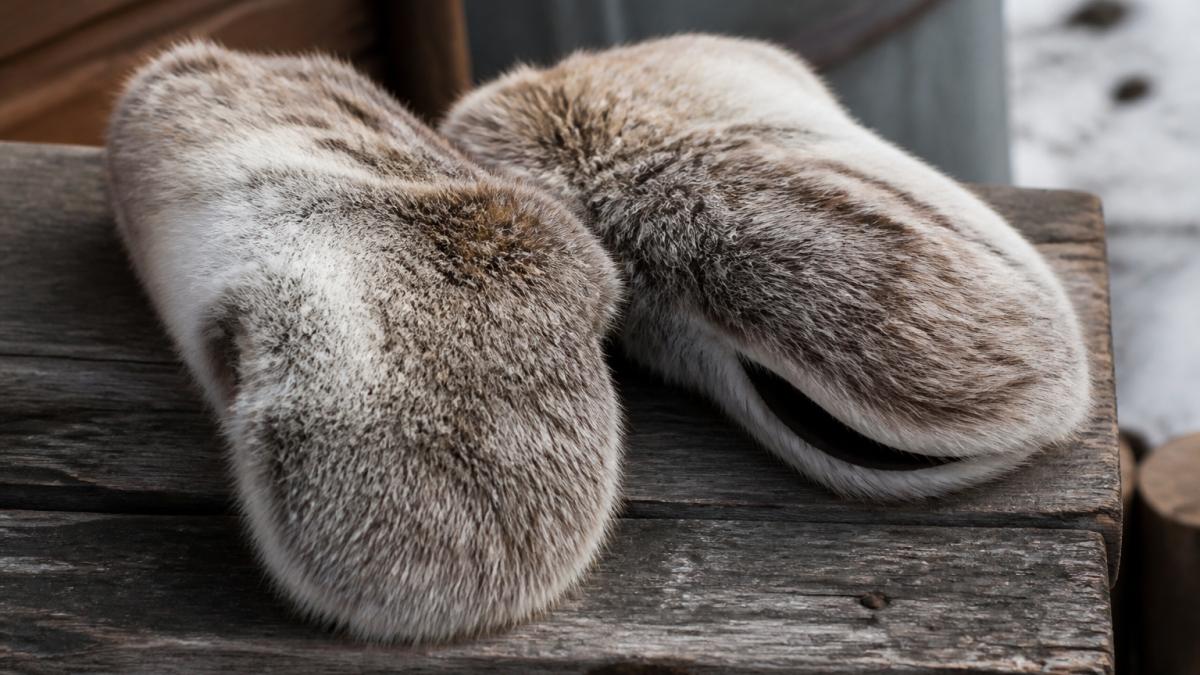
 ultimate-guide
Ethical Considerations of Fur Mittens: A 2026 Guide
Table of Contents
- Understanding the Ethical Landscape of Fur Mittens
- Benefits of Natural Fur vs Faux Fur
- How to Identify Ethically Sourced Fur
- Longevity of Artisanal Fur Products
- Upcycled and Vintage Fur: The Circular Economy Approach
- Regulatory Standards and Legislative Bans on Fur Farming
- Frequently Asked Questions
Last Updated: September 30, 2026
Understanding the Ethical Landscape of Fur Mittens
The ethical considerations of fur mittens come down to four questions: where the fur came from, how the animal was treated, how the material is processed, and how long the finished mitten stays in use. This guide from Campbell Fine Furs examines each one, plus the environmental and regulatory picture buyers rarely see in one place.
Fur mittens sit at the center of a debate mixing animal welfare, environmental science, and personal values, one that resists the tidy answers both sides prefer.
Most buying guides skip the hardest part: the trade-offs are real on both sides. Natural fur carries legitimate animal welfare concerns; synthetic alternatives carry environmental costs that rarely make the marketing copy.
Benefits of Natural Fur vs Faux Fur
Natural fur and faux fur differ most in what they are made of, how they age, and what they leave behind. Those three differences drive nearly every ethical argument on either side.
Natural fur is a protein fiber, like wool and leather. Faux fur is almost always a knit or woven backing carrying acrylic, modacrylic, or polyester pile. That distinction determines how each material behaves across a full product lifecycle.
Natural fur offers several practical advantages that synthetic alternatives struggle to match:
- Biodegradability: As a protein fiber, fur breaks down through normal microbial action when it returns to soil, releasing nutrients rather than persisting.
- Thermal performance: Fur fibers trap air in a dense, layered structure. The underfur does the insulating; the guard hairs shed moisture and wind.
- Repairability: A quality fur item can be re-lined, re-stitched, re-blocked, and restored. A torn seam is a repair, not a replacement.
- Longevity: A well-made fur mitten can serve a wearer for decades with basic care, cool storage, occasional cleaning, and protection from repeated soaking.
Faux fur has real advantages: it avoids animal welfare concerns entirely, costs less upfront, and is easier to clean.
Environmental Impact: Biodegradability vs Microplastics
The environmental case for natural fur centers on biodegradability. The case against faux fur centers on microplastic shedding, and that concern is now well documented across synthetic textiles.
Synthetic pile is made of plastic filaments. Every time the garment is worn, brushed, or laundered, friction breaks filaments loose. Those fragments, often smaller than five millimeters, wash into wastewater. Treatment plants capture some in sludge, but a meaningful share reaches rivers, lakes, and oceans, where they do not biodegrade on any human timescale.
This is a synthetic-textile problem, not a faux-fur-specific one, and it is why sustainable fashion researchers increasingly treat petroleum-based materials as a long-tail liability rather than a clean alternative.
Natural fur's footprint is not zero. Fur farming and trapping carry land, water, feed, and energy costs, and tanning and dyeing use chemicals requiring responsible handling. The honest comparison is not "clean versus dirty" but "different kinds of impact over different time horizons."
That time horizon is what most comparisons miss. A natural fur item that lasts thirty years and then biodegrades has a very different total footprint than a synthetic item replaced every two seasons, and each replacement adds more shedding, manufacturing, and shipping. The microplastic cost of faux fur is recurring, paid every winter for as long as the buyer keeps replacing.
Durability, Care, and the Real Cost Per Season
Durability is where the two materials diverge most sharply, and it is the variable buyers can control.
A quality fur mitten, properly stored and occasionally cleaned, can hold its shape and insulation for decades. Its failure modes are predictable, dried-out leather from repeated soaking, matted underfur from improper storage, seam failure from poor construction, and all three are preventable or repairable.
Faux fur fails differently: the pile mats and pills, the backing stretches, and the synthetic fibers lose loft after repeated washing, dropping the insulation value. Most faux fur accessories are built for a two-to-four-season lifespan.
That reframes the cost conversation. A higher upfront price spread across thirty winters is often lower per season than a cheaper item replaced every other year, before counting the environmental cost of each replacement. Buyers who care about the ethics of their winter accessories should run that math honestly.
How to Identify Ethically Sourced Fur
Identifying ethically sourced fur means verifying origin, traceability, and processing standards rather than trusting a label. Buyers should ask for documentation tracing the fur from source to finished product.
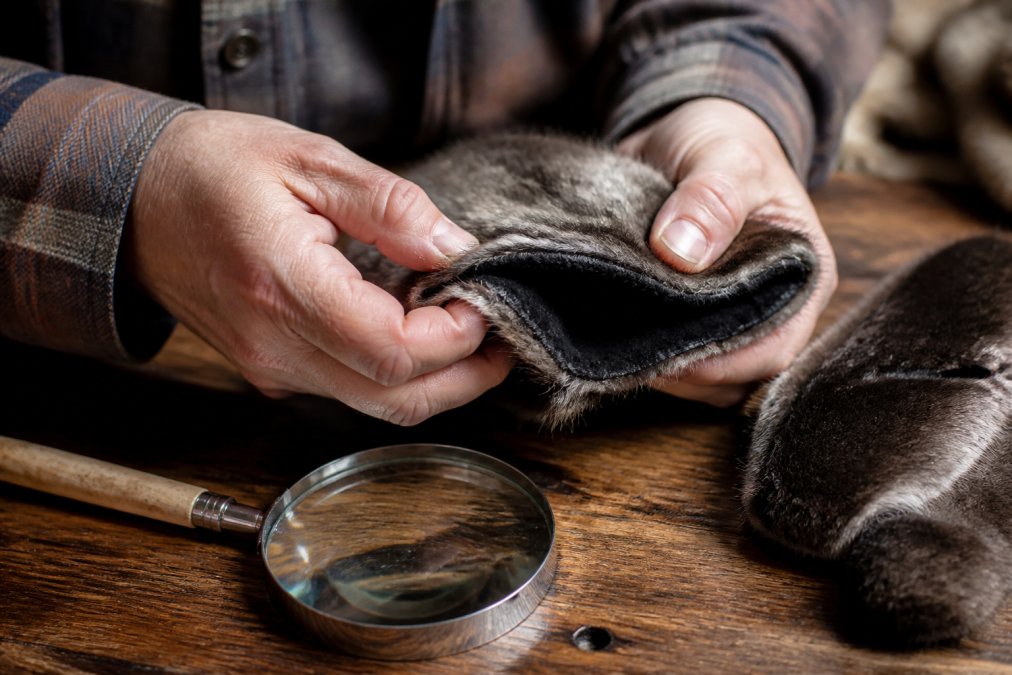
"Ethically sourced" is not a single regulated term in the United States, so it can mean very different things depending on the seller. That ambiguity is why a checklist beats a label.
Here is how to separate real verification from marketing language:
- Ask which species the fur comes from and where it originated
- Request documentation showing the supply chain from farm or trapper to manufacturer
- Look for third-party certification programs rather than self-declared claims
- Ask whether the fur was a byproduct of an existing population management program
- Confirm the processing and dyeing methods used
- Check whether the seller can name their tanneries or suppliers
A seller who cannot answer these questions is not necessarily unethical, they may simply lack the information. But a seller who answers clearly is demonstrating supply chain transparency, the closest thing the industry has to a reliable ethical marker.
Supply Chain Transparency Markers
Supply chain transparency markers are the concrete, checkable signals that a fur product's origin claims are real: named tanneries, documented certification numbers, and traceable batch information.
These markers matter because they are verifiable. A general claim of ethical sourcing cannot be checked. A named tannery and a certification number can.
Use this audit framework when evaluating a seller. Each marker can be asked for directly and has a clear pass-or-deflect outcome.
1. Species and origin disclosure. A transparent seller can name the species (for example, mink, fox, or rabbit) and the country or region of origin without hedging. Vague answers like "responsibly sourced" or "European fur" are not origin disclosures.
2. Named tannery. Tanning is where most chemical processing happens and where welfare and environmental standards are set. A seller who can name the tannery, and the tannery confirms the relationship, shows a real chain of custody. A seller who cannot name one is showing the chain ends at their warehouse.
**3.
A note on self-declared standards. Many sellers publish their own "ethical sourcing policy." These are only as strong as the verification behind them. A policy naming specific suppliers, certifications, and audit processes is meaningful; one using only aspirational language is a marketing document. The difference is whether outside parties can check the claims.
Longevity of Artisanal Fur Products
Artisanal fur products typically last far longer than mass-produced alternatives, and that longevity is central to their ethical case. A hand-sewn fur mitten serving a wearer for decades spreads its environmental and ethical cost across a much longer useful life.
Upcycled and Vintage Fur: The Circular Economy Approach
Upcycled and vintage fur represents the most defensible ethical position in the category, because it introduces no new animal welfare burden. Restyling an existing fur garment into new mittens or accessories extends the life of material already in circulation.
Regulatory Standards and Legislative Bans on Fur Farming
Fur farming regulation varies significantly by jurisdiction, and several states and countries have enacted bans or restrictions in recent years. Buyers should check current rules in their own jurisdiction, since these policies keep changing.
The regulatory landscape generally breaks into three categories:
| Regulatory Approach | What It Means | Practical Effect for Buyers |
|---|---|---|
| Full bans on fur farming | Production prohibited within the jurisdiction | Farmed fur from that jurisdiction unavailable |
| Restrictions on specific practices | Certain housing or slaughter methods prohibited | Standards vary by producer |
| No specific fur farming law | Governed by general animal welfare rules | Oversight depends on enforcement |
View All Products
Frequently Asked Questions
What defines ethically sourced fur in the modern market?
Ethically sourced fur typically comes from animals raised under welfare standards that address housing, diet, and humane slaughter. Buyers should look for third-party labels that indicate traceability and adherence to animal welfare criteria.
Are there environmental benefits to choosing natural fur over synthetic alternatives?
Natural fur is biodegradable and breaks down over years, while synthetic faux fur sheds microplastics that persist in waterways. Real fur also lasts decades with proper care, reducing replacement frequency. However, fur farming has its own footprint, including feed and waste. The trade-off depends on sourcing: responsibly harvested wild fur or upcycled vintage fur can have a lower impact than mass-produced synthetics.
How does the longevity of natural fur compare to faux fur in terms of sustainability?
Artisanal fur mittens can last for decades if stored and cleaned properly. Faux fur often matts, sheds, and loses shape more quickly. Because faux fur is plastic-based, it does not biodegrade and contributes to landfill waste. From a lifecycle perspective, a single pair of well-made fur mittens may replace many pairs of synthetic gloves, lowering overall consumption.
What should buyers look for to ensure their fur mittens are ethically obtained?
Ask the seller for documentation on where the fur came from. Look for labels that audit animal welfare and environmental practices. Check if the fur is a byproduct of regulated hunting or from small-scale farms. Avoid vague claims like 'ethically sourced' without proof. Reputable sellers can explain their supply chain.