 blog
8 Ways to Style a Mountain Man Fur Vest
Table of Contents
- Mountain Man Fur Vest Outfit Inspiration
- Men's Fur Vest Outfit Ideas: The Core Eight
- What to Wear Under a Fur Vest
- Fur Vest with Jeans and Boots: The Foundation Pairing
- Fit, Proportions, and Vest Length
- Materials, Warmth, and Weather Suitability
- How to Care for a Fur Vest
- Frequently Asked Questions
Last Updated: October 10, 2026
Mountain Man Fur Vest Outfit Inspiration
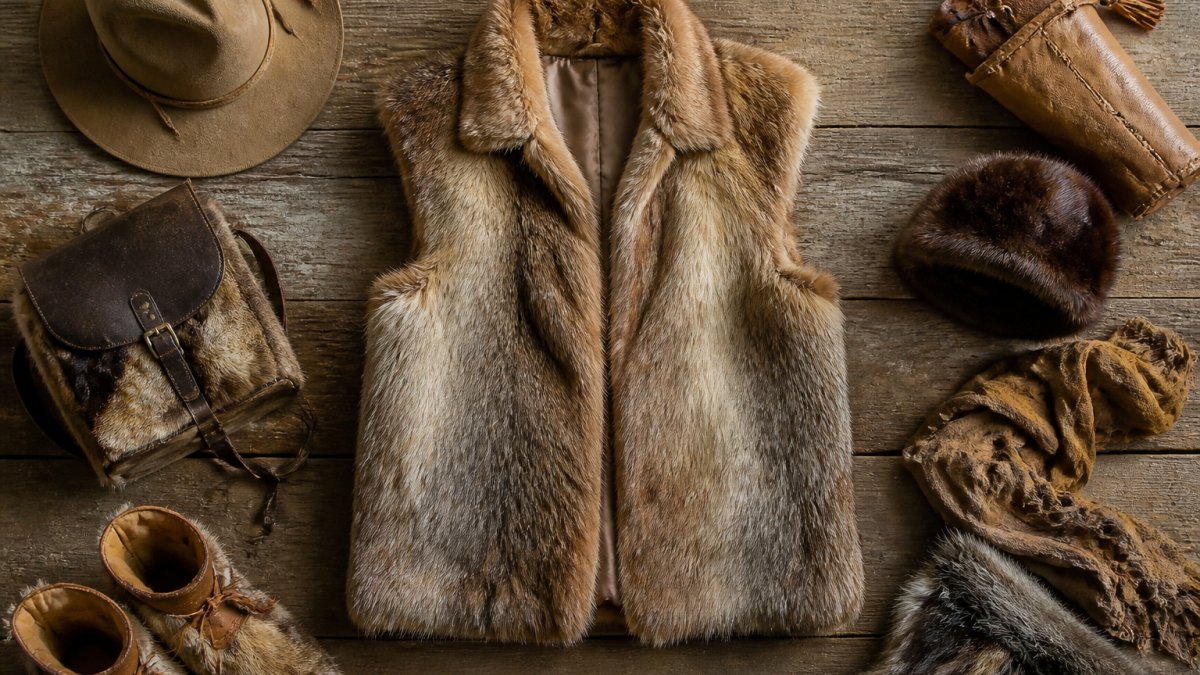
A mountain man fur vest is a statement piece that brings rugged authenticity to your wardrobe. Whether you're drawn to Western heritage, outdoor adventure, or cold-weather styling, the key is pairing it with the right foundation pieces, understanding proportions, and choosing complementary textures that enhance rather than compete with the vest's natural drama.
This guide covers eight distinct ways to wear a mountain man fur vest, what goes underneath, how to balance proportions, and which materials work best for different climates.
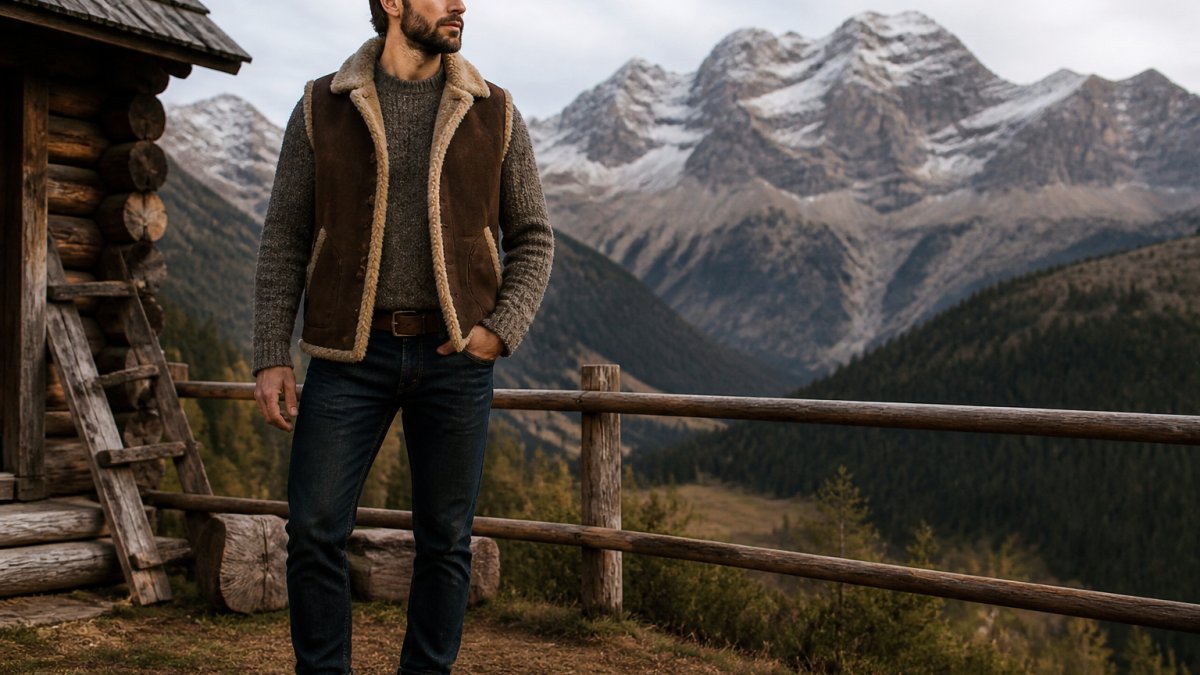
Men's Fur Vest Outfit Ideas: The Core Eight
The eight styling approaches below represent the most versatile combinations that work consistently across different settings, climates, and personal styles.
Classic Western Look
Pair your fur vest with a crisp pearl-snap Western shirt, straight-leg dark jeans, genuine leather boots, a wide-brimmed hat, and a simple leather belt. The structured shirt prevents the vest from overwhelming your frame, and the boots ground the look with authority.
Rugged Outdoor Trapper Style
Layer a thick wool sweater or Henley under your fur vest with canvas work pants, insulated hiking boots, and a canvas jacket worn open. Add a wool beanie and work gloves. This approach prioritizes function and warmth while reading as genuine outdoor preparation.
Modern Street Style Blend
Wear your fur vest over a slim-fit black turtleneck or crew-neck sweater with tailored dark trousers or fitted black jeans, minimalist black leather shoes or Chelsea boots, and a simple wool coat worn open. Keep everything else intentionally simple to let the vest be the statement.
Cold-Weather Layering
Start with a thermal base layer, add a heavy wool sweater, your fur vest, and a structured wool or technical outer jacket worn open. Include insulated gloves, a neck gaiter, and serious winter boots. Each layer serves a purpose while maintaining visual coherence.
Boho Luxe Casual
Combine your fur vest with a flowing linen or cotton shirt, relaxed-fit jeans, suede ankle boots, delicate gold jewelry, a wide-brimmed felt hat, and a leather crossbody bag. This approach softens the vest's ruggedness with bohemian elements and works particularly well with lighter-colored furs or faux fur vests.
Black Fur Vest Sophistication
A black fur vest paired with a crisp white button-down shirt, tailored charcoal trousers, polished leather dress shoes, and a structured blazer worn open creates instant sophistication. Black fur reads as dressier and more formal than brown or tan options, ideal for elevated casual occasions or professional settings.
Brown Fur Vest Earthiness
Brown fur naturally coordinates with warm earth tones. Pair it with a burnt orange or rust-colored sweater, tan or camel chinos, suede or leather boots, and a leather jacket or canvas overshirt. Brown fur vests work across more casual contexts without appearing overly formal.
Holiday and Special Occasion Elegance
Layer your fur vest over a burgundy or forest green sweater with dark dress pants, polished leather shoes, a structured blazer, minimal jewelry, and a quality wool coat. The jewel tones create richness without competing with the vest's texture.
What to Wear Under a Fur Vest
A fur vest works best over fitted garments that won't add bulk. Avoid oversized sweaters or baggy shirts, which create an unflattering silhouette.
Solid colors work better than patterns. A simple crew-neck sweater, turtleneck, or fitted button-down shirt keeps the focus on the vest's texture. Busy patterns compete with the vest's visual weight.
Fabric weight matters. Lightweight cotton or merino wool works in milder cold; thick wool or thermal layers work for serious winter weather. The vest should sit comfortably without creating gaps or pulling at the shoulders.
Fur Vest with Jeans and Boots: The Foundation Pairing
Dark jeans, straight-leg, slim-fit, or slightly tapered, work universally with any fur vest. Avoid overly distressed denim, which reads as too casual for the vest's formality.
Boots anchor the look. Leather boots in brown, tan, or black provide structure; Chelsea boots offer a sleeker silhouette; work or hiking boots add ruggedness. Match boot style to your overall aesthetic.
Fit, Proportions, and Vest Length
A fur vest should sit comfortably over your shoulders without pulling or bunching at the seams. Armholes should be high enough for free arm movement. Too loose and the vest overwhelms your frame; too tight creates visible strain.
Vest Length and Body Type
Vest length dramatically affects your silhouette and should be chosen based on your proportions and the overall outfit structure.
Hip-bone length (ending at your natural hip bone): This is the most universally flattering length, creating visual balance for most body types and working across casual and elevated occasions.
Waist length (ending at your natural waist): Shorter vests create a leaner silhouette and work best when layering over a jacket or coat worn open. Ideal for modern street-style looks and taller frames.
Mid-thigh length (ending mid-thigh): Longer vests create dramatic visual impact for rugged outdoor or Western heritage styling. Pair exclusively with fitted jeans, tailored trousers, or slim-fit pants. Longer vests work better on taller frames; on shorter builds, they can overwhelm proportions.
Layering and Bulk Management
A single fitted sweater creates minimal bulk and allows the vest to drape naturally. For serious cold-weather stacks, ensure armholes are generous enough for free movement without pulling upward or creating gaps at the sides.
The vest should sit smoothly without bunching at the waist or pulling at the shoulders. If it shifts when you move or doesn't hang evenly, the fit isn't right.
Trouser and Jeans Pairing for Proportion Balance
Dark, fitted jeans or tailored trousers create clean lines that balance the vest's visual weight. Straight-leg cuts work universally; slim-fit options create a leaner silhouette; slightly tapered cuts add modern polish.
Avoid overly distressed or ripped denim when wearing a fur vest. Significant distressing competes with the vest's texture and reads as costume-like. Keep denim clean with darker or heavier real fur.
A slight trouser break (where the trouser just touches the top of your shoe) creates balanced proportion. Pair your vest with boots or shoes that have enough visual presence to ground the outfit.
Testing Fit Before Purchase or Wear
When trying on a fur vest, wear the type of sweater or shirt you'll typically layer underneath. Move your arms in all directions. The vest should move with you without pulling or creating gaps. Look in a mirror from the front, sides, and back to confirm the vest hangs evenly. If it pulls at the shoulders or creates visible strain, it's not the right fit.
Materials, Warmth, and Weather Suitability
Choosing the right fur material is essential for both comfort and longevity. Different furs offer distinct warmth levels, weight characteristics, and aesthetic qualities. Your climate and intended use should drive this decision.
Real Fur Options and Their Characteristics
Shearling: Shearling (sheepskin with wool still attached) offers exceptional insulation and develops character over time. Shearling vests are heavier and work best in genuinely cold climates.
Rabbit fur: Rabbit fur is lighter and more flexible than shearling, providing legitimate warmth without the weight. It works well in transitional seasons or moderate winters and has a softer, finer texture.
Fox or coyote fur: These furs add dramatic visual impact with longer guard hairs and rich coloring. They're moderately warm and lighter than shearling but heavier than rabbit.
Mink or beaver: These are denser, warmer options that fall between rabbit and shearling in weight. They're durable and develop beautiful patina over time.
Faux Fur: Practical Advantages and Quality Considerations
Quality faux fur has improved dramatically and offers legitimate advantages. Modern synthetic furs mimic real fur's appearance and texture while providing genuine insulation.
Faux fur works well in moderate climates where you need warmth without excessive weight. It's ideal if you want a mountain man aesthetic without the maintenance demands of real fur.
The main trade-off is durability. Real fur develops character and improves with age; faux fur eventually shows wear and may need replacement after several years of frequent use.
Lining Quality and Its Impact on Warmth
The lining is often overlooked but critical. A quality lining (cotton, silk, or technical fabric) protects the fur, reduces moisture buildup, and improves comfort against your skin.
For serious cold-weather use, look for linings with thermal properties or moisture-wicking capability. A well-lined vest maintains warmth even when layered over multiple base layers.
Matching Materials to Your Climate
Mild winters (temperatures 30-50°F): Lighter furs like rabbit or quality faux fur provide adequate warmth without overheating. These materials work well for styling flexibility, as they're less bulky and easier to layer.
Moderate winters (temperatures 10-30°F): Shearling, mink, or beaver offer appropriate insulation. These materials provide genuine warmth for extended outdoor time while remaining wearable in layered outfits. They work across multiple styling contexts without appearing overly specialized.
Harsh winters (temperatures below 10°F): Shearling or dense beaver are essential. These materials provide the insulation needed for serious cold exposure.
Transitional seasons (fall and spring): Lighter furs or quality faux fur work best. You want warmth without the bulk that would make you overheat as temperatures fluctuate throughout the day.
Assessing Construction Quality
Regardless of material, examine construction before committing. Check that seams are tight and even, with no gaps where cold air could penetrate. The fur should be firmly attached to the backing, with no loose patches or thin spots.
The weight should feel distributed evenly. Pick up the vest and check that it doesn't feel heavier on one side. Quality construction ensures the vest maintains its shape through wear and provides consistent insulation across the entire garment.
How to Care for a Fur Vest
Proper care extends your vest's lifespan and maintains its appearance. Store it in a cool, dry place away from direct sunlight. Avoid plastic storage bags, which trap moisture. Use breathable garment bags instead.
Brush your vest gently with a soft-bristled brush to remove dust and restore nap. For stains, spot-clean with a damp cloth and mild soap. Never submerge a real fur vest in water. Professional dry cleaning designed for fur is worth the investment for deep cleaning.
Rotate your vest seasonally to prevent excessive wear in one area. Keep it away from heat sources and humidity. Proper storage prevents matting and maintains the fur's natural oils.
Frequently Asked Questions
How do you style a mountain man fur vest for everyday wear?
Layer your mountain man fur vest over a neutral sweater or long-sleeve shirt, pair it with well-fitted jeans, and add sturdy boots. Keep accessories minimal, a leather belt and simple watch maintain the rugged aesthetic. The vest works best when it sits at hip length and allows room for layering underneath without bunching. This formula works across seasons and climates, from casual outings to outdoor work.
What should you wear under a fur vest to stay warm?
Wear a fitted long-sleeve thermal shirt, merino wool sweater, or fleece base layer under your fur vest. These materials trap heat without adding bulk. In milder weather, a simple cotton henley or crew-neck shirt works. Avoid oversized tops that create uncomfortable bunching under the vest. The layering principle, fitted base, insulating middle, fur vest exterior, maximizes warmth while maintaining clean silhouettes.
Can you wear a fur vest with jeans and boots?
Yes. This is one of the most versatile and authentic mountain man styling combinations. Dark or medium-wash jeans pair well with brown or black fur vests. Choose boots with substantial soles, work boots, hiking boots, or western-style boots all complement the aesthetic. Tuck your shirt in partially or fully for a polished look, or wear it untucked for a relaxed feel. This pairing works for hunting trips, casual outings, and everyday wear.
How do you care for a fur vest to make it last?
Store your fur vest in a cool, dry place away from direct sunlight to prevent fading and material degradation. Brush gently with a soft-bristled brush to maintain the fur's natural texture and remove surface dust. Avoid water exposure; if your vest gets wet, air-dry it naturally away from heat sources. Have it professionally cleaned annually by a furrier experienced with your specific fur type. Proper storage and minimal washing extend the life of your investment significantly.
Styling a mountain man fur vest successfully means understanding proportion, choosing complementary foundation pieces, and respecting the piece's inherent drama. Campbell Fine Furs offers premium fur vests crafted with attention to fit and material quality, pieces designed to work across multiple styling approaches and seasons. Explore our collection to find the vest that matches your aesthetic, and build outfits that feel authentic to how you actually live.