 comparison
Are Eco-Friendly Alternatives to Fur Decor Worth It?
Last Updated: November 11, 2026
Quick Summary
Eco friendly alternatives to traditional fur decor include faux fur made from recycled fibers, plant-based fur, and natural wool, each with different trade-offs. Real fur raises ethical and sourcing questions, while most faux fur is petroleum-based and slow to biodegrade. Choosing among fur decor alternatives depends on fiber content, sourcing transparency, and how the piece will be used.
- Check fiber composition on the tag or product page before buying any faux or plant-based fur.
- Vague eco claims without specifics are a warning sign that the material is unverified.
- Wool is renewable and breathable, and can be spot cleaned and stored with cedar or lavender.
- Wash plant-based pieces inside out in cold water with mild detergent, and air dry flat.
- Pure wool and cotton without synthetic backings can be composted; polyester pieces should be donated or recycled.
Table of Contents
- Why Shoppers Are Moving Away From Traditional Fur Decor
- Eco-Friendly Faux Fur Fabric: What to Look For
- Plant-Based Fur: How It Is Made and Where It Works
- Comparing Real Fur, Faux Fur, and Bio-Materials
- Wool Blankets and Pillows as a Natural Option
- DIY Fur Decor Alternatives You Can Make at Home
- Caring for and Disposing of Eco-Friendly Decor
- Choosing Your Next Cozy Piece for a Rustic Room
- Frequently Asked Questions
Why Shoppers Are Moving Away From Traditional Fur Decor
Shoppers who want a rustic or Western look and are weighing fur decor alternatives are asking a sharper question than they used to. They still want warmth and texture, but they also want to know where the material came from and what happens to it later. That shift is why eco friendly alternatives to traditional fur decor have moved from a niche interest to a real consideration for many buyers.
At Campbell Fine Furs, we hear the same concerns from customers: how do I know a product is ethically sourced, and will it hold up over time? Those are fair questions. The answers depend on the material, the maker and the care you give it. This guide walks through the options so you can judge them for yourself.
Eco-Friendly Faux Fur Fabric: What to Look For
Faux fur is the most common alternative, and the label alone tells you very little. Most faux fur is made from polyester or acrylic fibers, which are petroleum-based and do not biodegrade quickly. Some newer versions use recycled polyester or lower-impact dyes, which can reduce the footprint of production.
When you shop, check the fiber composition on the tag or product page. Look for recycled content, a clear note on dyeing and backing, and whether the maker explains how the piece is built. Vague claims like "eco-conscious" without specifics are a warning sign.
Faux fur can shed microfibers when washed, so gentle cleaning is a sensible habit.
Plant-Based Fur: How It Is Made and Where It Works
Plant-based fur is generally made from plant-derived fibers, and production methods vary widely. The exact performance depends on the blend, so check the product's material information.
Because marketing terms are not standardized, read the material list rather than relying on the word "plant-based" alone when comparing fur decor alternatives. A product that lists a percentage of plant fiber, names the backing, and describes the dyeing process gives you far more information than one that uses broad claims. If a seller cannot tell you what the pile and backing are made of, treat the claim as unverified.
For shoppers comparing options, ask three practical questions before buying. First, what is the fiber content of the pile and the backing? Second, how is the piece dyed, and are the dyes certified for low-impact processing? Third, how does the material hold up to repeated cleaning? Sellers who can answer these clearly are usually more reliable than those who cannot.
A useful test is to ask whether the seller has data on abrasion or wash cycles; if not, plan on treating the piece gently.
Watch out: some plant-based pile loses its loft if it is compressed for long periods, so store these pieces unfolded or loosely rolled rather than tightly packed in a drawer.
Comparing Real Fur, Faux Fur, and Bio-Materials
Each of these fur decor alternatives trades off something different. Real fur offers natural insulation but raises ethical and sourcing questions. Faux fur relies on petroleum-based fibers. Bio-materials reduce reliance on those fibers, though their durability and availability can still be limited.
Consider what the piece has to do. A decorative accent can use a lighter, lower-impact material. A bed throw that gets used every night needs more strength. Matching the material to the job is usually more useful than chasing one "best" option.
Environmental Impact and Biodegradability
The carbon footprint of any textile depends on how it is grown or made, how far it travels, and how long it lasts in use.
According to the US Environmental Protection Agency's materials and waste data, textiles make up a significant share of household waste that ends up in landfills, which is why longevity and end-of-life planning matter as much as the material itself.
The table below sums up how each option compares on the points shoppers ask about most.
| Option | Main material | Key trade-off |
|---|---|---|
| Real fur | Animal fur | Natural insulation, but raises ethical and sourcing questions |
| Faux fur | Polyester or acrylic fibers | Petroleum-based and slow to biodegrade |
| Bio-materials | Plant-derived fibers | Less reliance on petroleum fibers, but durability and availability can be limited |
Wool Blankets and Pillows as a Natural Option
Wool is a natural option for home decor. It is renewable and breathable, and a wool throw can add the warm, layered texture many people want from fur.
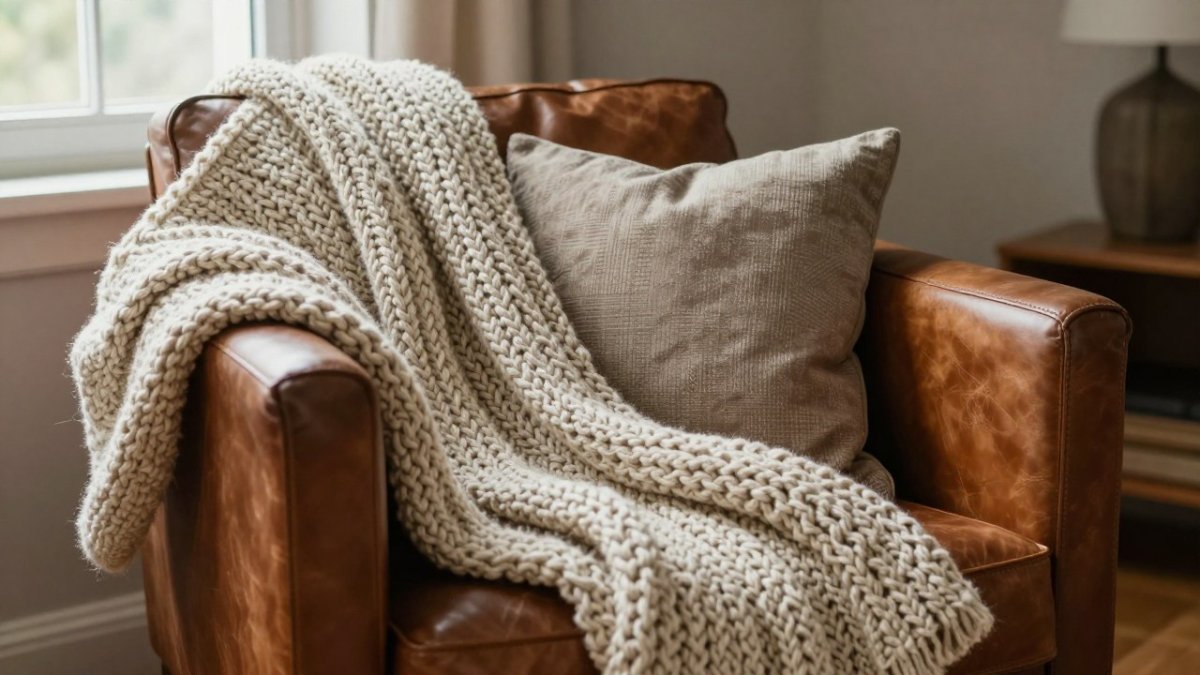
Wool needs its own care. Spot clean when you can, air it out regularly, and store it with cedar or lavender rather than mothballs.
DIY Fur Decor Alternatives You Can Make at Home
Making your own is one of the most personal fur decor alternatives, since you can create fur-like texture at home without buying new synthetic pieces. Knit or crochet throws from wool or cotton yarn, layer textured blankets, or use upcycled fabric scraps to build a cozy accent. Reclaimed wool sweaters cut and stitched into a pillow cover are a simple project that keeps existing material in use.
Keep projects realistic.
Caring for and Disposing of Eco-Friendly Decor
Longevity matters for plant-based and natural fur decor alternatives, and the care routine you follow in the first few months can shape how the piece looks later.
Start with the care label and follow it literally. For most plant-based throws and pillow covers, cold water on a gentle cycle with a mild, pH-neutral detergent is a safe default. Turn the piece inside out before washing to reduce surface abrasion, and skip fabric softeners, which can coat natural fibers and flatten their texture. Air drying flat is gentler than tumble drying; if you must use a dryer, choose low heat and remove the piece while it is still slightly damp so it does not stiffen.
Between washes, shake out natural fibers, brush the nap in one direction with a soft brush, and rotate pillows so they wear evenly. Keep decorative pieces out of direct, prolonged sunlight, which fades dyes and can weaken plant fibers over time. Watch out: storing a damp piece in a closed bin is the fastest way to invite mildew, so dry it completely before packing it away.
When a piece reaches the end of its useful life, disposal depends on what it is made of. Pure wool and cotton can usually go into a home compost bin if they are free of synthetic dyes, backings, or hardware, and cut into small pieces to speed breakdown. Check whether your municipality accepts plant-based pieces before adding them to a compost pile. Pieces with petroleum-based backings or polyester content should not go into compost; these are better donated, passed to a textile recycler, or repurposed into rags, padding, or craft material.
Before donating or recycling, remove any metal fasteners, zippers, and plastic buttons, since many textile recyclers only accept clean fabric. Thrift stores generally want items that are still wearable and clean, so reserve donation for pieces in reasonable condition and use recycling or composting for the rest. Local rules vary widely, so a quick check of your municipal waste guidance will tell you which options your area supports.
Choosing Your Next Cozy Piece for a Rustic Room
Start with the room and the look you want, then narrow your fur decor alternatives to the ones that suit it. A rustic space usually benefits from warm, layered textures, so one statement piece often works better than many small ones.
If you prefer an animal-free option, pair a textured throw with wool or plant-based pillows. For a wearable accent, US consumer guidance on comparing fiber labels is a useful reference when evaluating material claims.
Browse our anchor words for mittens that suit a cold-weather routine, or see our anchor words for fur hats. Shoppers looking for a fuller guide can read our anchor words before deciding, and those ready to buy can explore anchor words for their home. For a dusty home, our anchor words covers practical cleaning steps.
Choosing eco-friendly decor is about matching the material to how you live. Campbell Fine Furs can help you find pieces built for both warmth and longevity, and you can view all our products to compare options side by side.
Frequently Asked Questions
What are some alternatives to real fur for home decor?
Common alternatives include eco-friendly faux fur made from recycled or plant-derived fibers, plant-based fur made from vegetal inputs, and natural wool blankets and pillows. Each option differs in durability, care needs, and environmental footprint. When shopping, check the fiber composition on the label, ask whether the fabric is biodegradable or made from recycled content, and compare how the material will hold up to regular use. Campbell Fine Furs can help you find a piece that fits your space, and current pricing depends on the item, quantity, and delivery, so visit the website or request a quote for exact figures.
Is faux fur a sustainable choice for home decor?
Traditional faux fur is usually made from petroleum-based acrylic or polyester fibers, which do not biodegrade easily. Eco-conscious versions use recycled fibers or plant-based inputs, which lowers the environmental footprint but does not make every product fully biodegradable. The most sustainable choice depends on how long the piece lasts, how it is cared for, and what happens to it at end of life. Look for clear material information and buy pieces you expect to keep for years.
Are there plant-based alternatives to fur?
Yes. Plant-based fur uses fibers derived from plants, such as hemp or nettle, and is being developed as an alternative to both animal fur and synthetic faux fur. These materials are still an emerging category, so their texture, warmth, and durability vary by product. For home decor, plant-based options can work well on throws and pillows, but check the care instructions because natural fibers may need gentler washing than synthetics. Ask the seller for the fiber composition before you buy.
How do you care for faux fur home decor?
Shake out faux fur throws and pillows regularly and vacuum them on low suction to remove loose hair and dust. Spot clean stains with a mild detergent and cool water, and air dry instead of using high heat. Brush the pile gently with a wide-tooth comb to keep it looking full. Following the care label helps the piece last longer and reduces the need to replace it, which is one of the simplest ways to lower its environmental impact.