 ultimate-guide
Fur Accessories for Mild Climates: A 2026 Guide
Table of Contents
- Why Fur Accessories for Mild Climates Are More Practical Than You Think
- Felt vs. Straw: A Seasonal Debate That Also Applies to Fur
- How to Choose Fur Weight and Density for Warm-Weather Wear
- The Best Fur Hats for Hunting in Mild Conditions
- Fur Accessory Care and Maintenance in Humid or Variable Weather
- How to Style Fur in Spring Without Overheating
- Storing Fur Accessories During Off-Season and Hot Months
- Conclusion
- Frequently Asked Questions
Last Updated: September 16, 2026
Why Fur Accessories for Mild Climates Are More Practical Than You Think
Fur accessories for mild climates solve a problem most people never consider: how to stay warm when temperatures hover between cool mornings and warm afternoons. This guide from Campbell Fine Furs explains how to choose, wear, and care for fur when winter never really arrives.
The assumption that fur belongs only in deep cold is outdated. Lightweight felt and fur pieces handle temperature swings better than heavy synthetic alternatives, largely because natural fibers regulate moisture and heat rather than trapping both. Below, we'll show you exactly which fur weights work in warmer conditions, how to transition between seasons, and the storage mistakes that ruin accessories during humid summers.
Felt vs. Straw: A Seasonal Debate That Also Applies to Fur
The felt-versus-straw debate follows traditional calendar rules, but fur operates on the same logic. Felt hats dominate cooler months while straw takes over in heat, and fur sits between them depending on weight and construction.
Traditional standards tie the switch to specific dates. Many Western wear guides reference Memorial Day as the informal start of straw season and Labor Day as the return to felt. These are conventions, not weather rules, and they break down in regions where temperatures don't cooperate.
For fur, the equivalent decision comes down to density and breathability rather than a date on the calendar. A lightweight rabbit fur piece behaves very differently from a dense beaver felt hat, even though both are "fur."
Transition Windows: When Fur Makes Sense in Warmer Weather
Fur makes sense in warmer weather during early mornings, evening events, and transitional weeks when daytime highs climb but nights stay cool. The window varies by region, but the principle holds: match the accessory to the hour, not just the season.
In practice, this means keeping a lighter fur scarf or a low-density felt hat accessible through spring and early fall.
How to Choose Fur Weight and Density for Warm-Weather Wear
Choose fur weight by matching density to your typical daytime temperature and humidity, not your coldest morning. Lighter, less dense fur allows airflow while still providing insulation when needed, but the reason it works is more about moisture transport than about thickness.
Why Humidity, Not Just Temperature, Decides Whether Fur Works
Most guides treat warmth as a simple temperature question. In practice, the heat index, the combined effect of temperature and relative humidity, is what determines whether a fur accessory feels comfortable or suffocating. At 80°F with 30% humidity, the body sheds heat efficiently through sweat evaporation. At the same temperature with 80% humidity, that same sweat can't evaporate as quickly, so trapped heat builds up under any covering, fur included.
Reading Density and Construction Before You Buy
Felt density directly affects breathability. A tightly packed felt traps heat and blocks ventilation, which works against you in mild conditions. Looser construction lets moisture escape and keeps the wearer comfortable across a wider temperature range.
| Fur Type | Density | Breathability | Best For |
|---|---|---|---|
| Rabbit fur | Light | High | Spring and fall layering |
| Beaver fur | Medium to heavy | Moderate | Cool mornings, field use |
| Lightweight felt | Low | High | Transitional seasons |
| Dense felt | High | Low | Deep winter only |
Fur Types That Breathe: Beaver, Rabbit, and Beyond
Rabbit fur breathes best among common options. Its lighter structure allows air movement while still providing warmth, making it a practical choice for variable conditions.
The Best Fur Hats for Hunting in Mild Conditions
The best fur hats for hunting in mild conditions prioritize breathability, a secure fit, and moisture management over maximum insulation. A hat that overheats you on a stalk is worse than no hat at all.
Fit, Brim Width, and Crown Shape for Field Use
Hat fit should be snug but not tight, with roughly a finger's width of space above your brow. A proper fit keeps the hat stable without restricting circulation.
Fur Accessory Care and Maintenance in Humid or Variable Weather
Fur accessory care and maintenance in humid weather centers on moisture control and airflow. Damp fur loses shape, develops odor, and becomes a target for pests if stored wet.
- Brush after every wear to lift dust and restore nap
- Air dry away from heat before storing
- Reshape the crown while the felt is still slightly damp
- Check sweatbands monthly during humid months
How to Style Fur in Spring Without Overheating
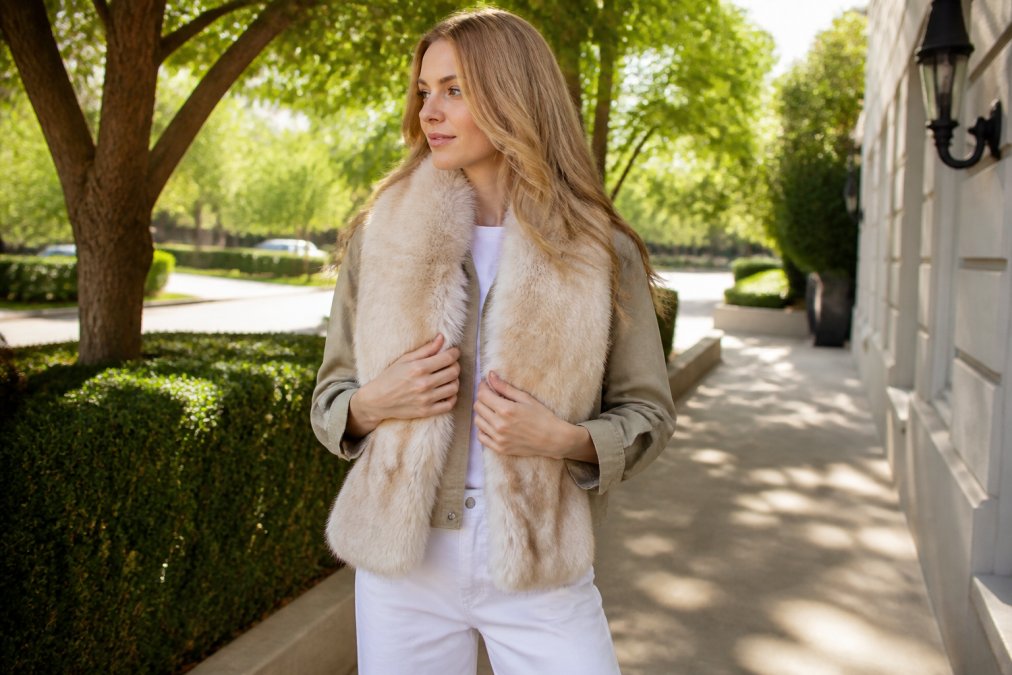
Styling fur in spring works when you treat it as an accent rather than a primary layer. A light fur scarf, a thin stole, or a low-density felt hat adds texture without adding bulk.
Storing Fur Accessories During Off-Season and Hot Months
Storing fur accessories during hot months requires a cool, dry, dark space with consistent airflow. Heat and humidity are the two biggest threats to fur longevity, and in a humid climate they work together: warmth accelerates the chemical breakdown of the felt's natural oils, while moisture feeds the mold and insects that finish the job.
The Three Threats: Heat, Humidity, and Pests
Heat above roughly 80°F slowly dries out the natural oils that give fur felt its suppleness. Over a single summer, a hat stored in a hot attic or a car can develop a brittle, chalky feel that no amount of brushing restores. Humidity above about 60% relative humidity creates the conditions for mildew, which shows up as a musty smell and gray-green spotting on the felt and sweatband.
Containers, Bags, and What Not to Use
A breathable cotton bag or a padded hat box works better than plastic, which traps moisture. If you're storing multiple pieces, keep them separated so air can circulate and pests can't move between them.
- Cotton or muslin bags, breathable, inexpensive, and fine for short-term storage.
- Padded hat boxes, good for structured hats that need to hold their shape; choose one with at least a small vent or leave the lid slightly ajar in a dry room.
- Acid-free tissue, stuff the crown lightly to hold shape without pressing creases into the felt.
- Cedar blocks or cedar-lined boxes, help deter insects without the chemical smell of mothballs.
- Plastic bins and vacuum bags, avoid. They seal in moisture and can trap residual sweat odor, which attracts pests.
A Monthly Inspection Routine
For humid climates, check stored pieces periodically. A monthly inspection catches moisture problems and pest activity before they cause permanent damage. Look for three things: a musty smell (mildew starting), fine webbing or small holes (moth or beetle activity), and any change in the felt's flexibility (heat damage).
Rotating Pieces Back Into Wear
When temperatures drop and you pull a piece out of storage, give it a day to acclimate before wearing. Brush it, check the sweatband for stiffness or odor, and reshape the crown by hand if it has flattened. A hat that has been stored correctly will need only light attention; one that has been stored in heat or damp will usually show it immediately, which is why the inspection routine matters more than any single storage product.
Conclusion
The real challenge with fur in mild climates isn't the material. It's matching density, construction, and timing to your actual conditions rather than following a calendar.
Frequently Asked Questions
Can you wear fur accessories in mild climates?
Yes, with the right fur weight and accessory type. Lightweight options like rabbit fur scarves, thin stoles, and unlined fur hats work well in mild climates. The key is choosing lower-density fur and wearing it as an accent rather than full insulation. A fur hat with a wide brim provides shade without trapping excess heat. For mild climates, focus on breathability and moisture-wicking properties. Campbell Fine Furs offers options designed for transitional weather, so you can enjoy fur without overheating.
What types of fur are best for transitional weather?
Rabbit fur and lighter beaver fur work best for transitional weather because they are less dense and allow more airflow. Shearling and unlined fur accessories also perform well when temperatures fluctuate. Avoid heavy, tightly packed furs meant for deep winter. Look for fur accessories with breathable linings or no lining at all. A fur hat with a sweatband that wicks moisture helps regulate temperature. These choices let you wear fur in mild climates without discomfort.
How should you store fur accessories during the off-season?
Store fur accessories in a cool, dry place away from direct sunlight. Use a breathable cotton or canvas bag, never plastic, which traps moisture and can damage fur. For humid climates, add a desiccant packet to absorb excess moisture. Hang fur hats by the crown, not the brim, to maintain shape. Clean fur before storing to prevent pests. Check stored items every few months for signs of shedding or moisture. Proper storage extends the life of your fur accessory care and maintenance routine.
Are fur hats appropriate for outdoor events in mild weather?
Fur hats can be appropriate for outdoor events in mild weather if you choose a lighter style. A felt fur hat with a moderate brim works for evening events or shaded outdoor gatherings. Avoid heavy, insulated hats that trap heat. Pair a fur hat with lighter clothing to balance warmth. For daytime events, a straw hat may be more comfortable, but a thin fur hat can work for cooler mornings or evenings. The best fur hats for hunting often double as event-worthy pieces in mild conditions.