 listicle
Affordable Luxury Fur Gift Ideas: 2026 Guide
Table of Contents
- Why Fur Gifts Feel Like a Luxury (Without the High Price Tag)
- The Best Artisanal Fur Hats and Scarves for Gifting
- Small Fur Accessories That Make a Big Impression
- How to Style Fur Accessories for Any Occasion
- Best Practices for Fur Maintenance to Ensure Longevity
- What to Look for in Ethical and Sustainable Fur
- Conclusion: Giving the Gift of Warmth and Craftsmanship
- Frequently Asked Questions
Last Updated: September 8, 2026
Finding a gift that feels indulgent without breaking the bank is a challenge, especially when you want something that lasts. Affordable luxury fur gift ideas allow you to give the warmth, texture, and timeless appeal of natural fur while staying within a sensible budget. In this Campbell Fine Furs guide, we break down the artisanal pieces that deliver the most value, from plush hats to statement scarves.
Why Fur Gifts Feel Like a Luxury (Without the High Price Tag)
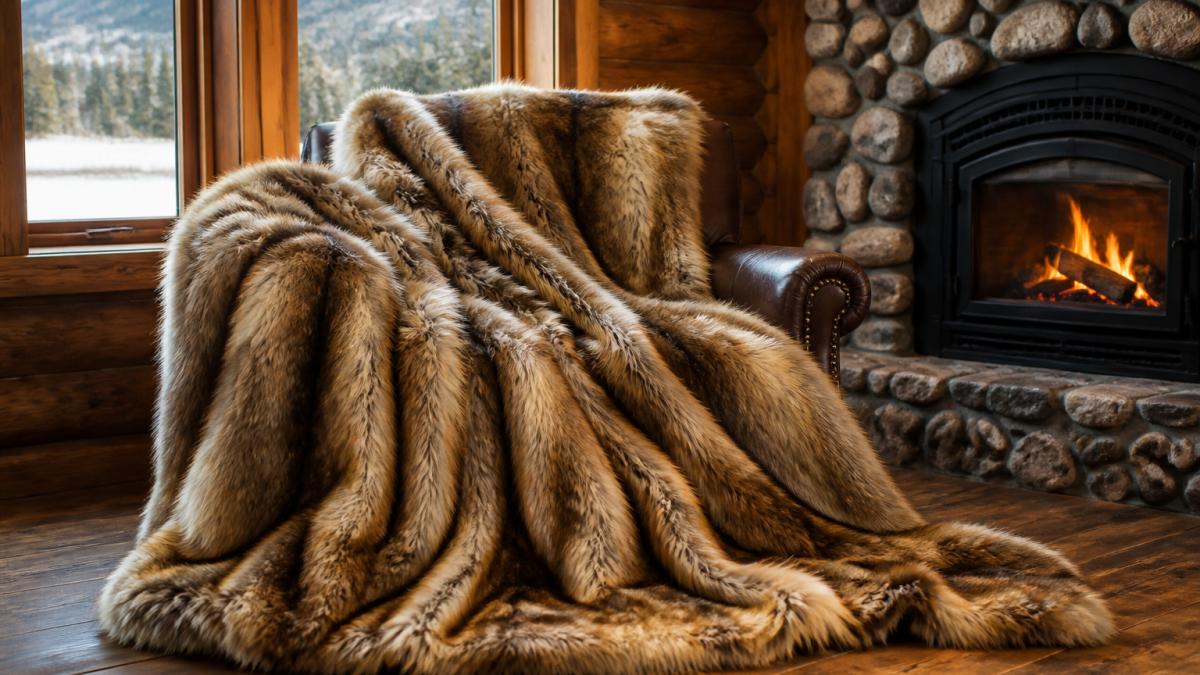
The perception of fur as an exclusive, high-end material comes from its inherent qualities: natural insulation, unique texture, and craftsmanship. Unlike synthetics, genuine fur offers a depth of color and softness that changes with light and temperature. This sensory richness makes fur gift ideas feel premium, regardless of the item's cost.
The "luxury" price tag is often attached to designer labels, not the material itself. Buying directly from an artisan or specialist retailer bypasses middlemen and marketing overhead, yielding a genuine fur item at a fraction of the department store price. A well-chosen fur hat or mittens offers decades of use, making cost-per-wear remarkably low.
The Best Artisanal Fur Hats and Scarves for Gifting
When selecting artisanal fur hats and scarves, focus on pelt quality and construction. A premium hat has a supple leather backing that molds to the head, with fur that lies flat and dense. For scarves, look for a full-cut pelt that provides complete neck coverage without gaps.
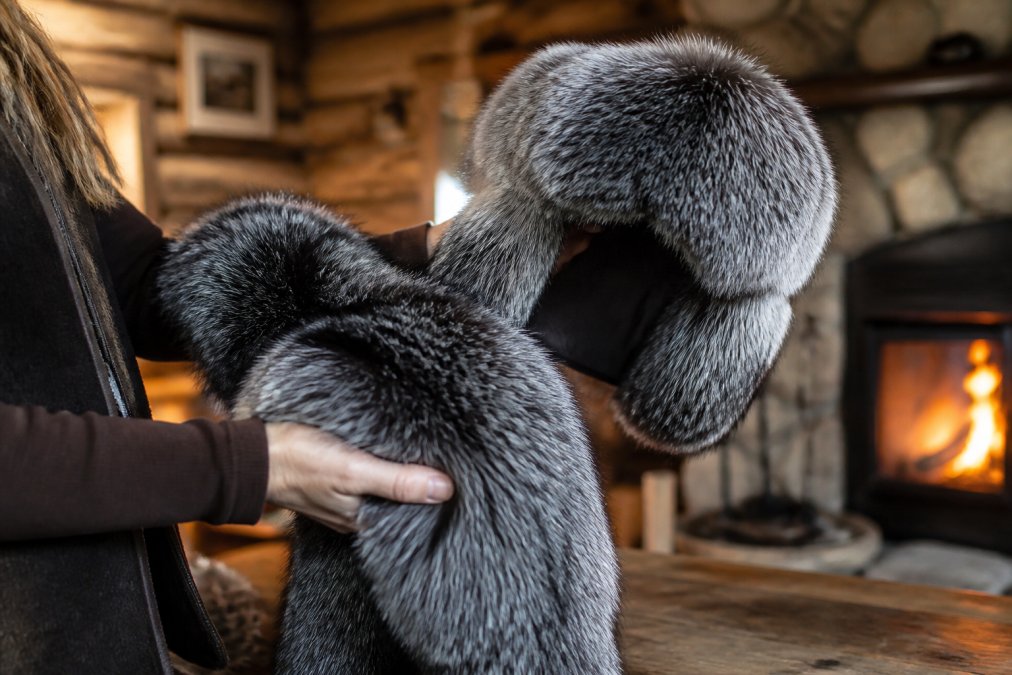
A common mistake is prioritizing softness over density. While silky underfur feels incredible, a hat needs a dense guard hair layer to deflect wind and snow. Consider the recipient's lifestyle: a rancher or hunter needs a rugged coyote or raccoon hat, while an urbanite might prefer the elegance of a fox or mink scarf.
Small Fur Accessories That Make a Big Impression
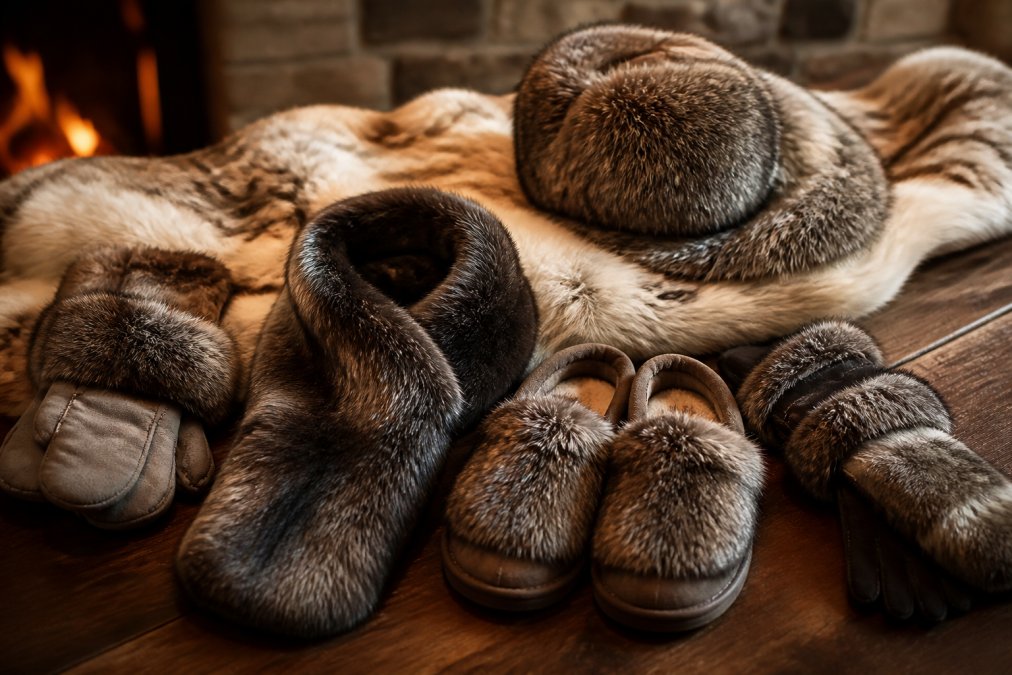
If you are hesitant about a large outerwear piece, small fur accessories offer an accessible entry point into gifting natural fur. Fur keychains, ear warmers, and cuff bracelets add texture and luxury to an everyday outfit without the commitment of a full coat.
These smaller gifts also solve the "difficult to buy for" problem. A fur-trimmed pair of driving gloves or fur-lined slippers feels indulgent and personal. Pay attention to hardware: brass or antique-finished clasps indicate higher craftsmanship than plastic alternatives.
How to Style Fur Accessories for Any Occasion
Learning how to style fur accessories is easier than most think. Let the fur be the statement piece and keep the rest of the outfit simple. A coyote fur scarf pairs beautifully with a tailored wool coat and leather boots; a fur trapper hat works well with denim and flannel for a rustic look.
The versatility of fur is often underestimated. A small fur stole can elevate an evening dress, while a fur-lined hood adds warmth to a ski jacket. Treat fur color as a neutral: natural shades of brown, black, and silver complement your wardrobe. Avoid over-accessorizing; one fur piece per outfit is the rule.
Best Practices for Fur Maintenance to Ensure Longevity
The difference between a fur gift that lasts five years and one that lasts five decades often comes down to maintenance. Here is the practical, step-by-step system furriers actually recommend.
The Weekly Routine: Brushing and Aeration
Fur is hair, and hair needs regular grooming. Invest in a professional fur comb or slicker brush with fine, rounded wire bristles, never a standard hairbrush, which can snag guard hairs. Once a week during wearing season, gently brush in the direction of the nap to remove dust and maintain luster.
After each wear, hang the item on a wide, padded hanger, never wire, which creases leather. Let it air out for at least 12 hours in a cool, dry room to allow moisture to evaporate and prevent the leather from becoming brittle.
The Seasonal Storage Protocol
When the season ends, do not just toss the fur in a closet. The two enemies of fur are heat and moths. Follow this three-step protocol:
-
Professional cleaning: Before storage, have the piece cleaned by a furrier or a cleaner certified by the Fur Conservation Institute of America. This removes body oils and salts that attract moths and degrade leather. Expect to pay $50-$100 for a hat or scarf.
-
Breathable storage: Never use plastic garment bags, which trap moisture and dry out leather. Use a breathable cotton garment bag or a dedicated fur storage box with ventilation holes. Store multiple pieces separately so the fur can breathe.
-
Cool, dark, and elevated: Store fur in a cool, dark closet (ideally 50-60°F) away from direct sunlight, which fades pigments. Elevate the container off the floor to avoid dampness. Add cedar blocks or lavender sachets, never mothballs, which leave an odor that is nearly impossible to remove.
Handling the Unexpected: Rain, Snow, and Spills
Fur is naturally water-resistant, but not waterproof. If caught in a downpour, shake off excess water immediately and hang at room temperature to dry naturally. Do not use a hair dryer, radiator, or direct sunlight, rapid heat will shrink and crack the leather. Once dry, shake and brush to restore the nap.
For dry snow, let it brush off once indoors. For spills, blot (never rub) with a clean, dry cloth and take the item to a professional within 48 hours. Home remedies like baby powder or vinegar can strip natural oils and do more harm than good.
When to See a Professional Furrier
If the leather backing feels stiff, the fur sheds excessively, or the item has lost its shape, take it to a professional furrier for re-conditioning, not a general dry cleaner. A furrier can re-hydrate the leather, re-sew weak seams, and glaze the fur. This costs $75-$150 for accessories and can add years of life. Most furriers recommend professional cleaning every 12-18 months for regularly worn items.
By following this maintenance system, the fur gift becomes a long-term investment rather than a seasonal purchase, a distinction that separates true affordable luxury from disposable fashion.
What to Look for in Ethical and Sustainable Fur
The ethical conversation around fur is more nuanced than most gift guides acknowledge. This section provides the specific criteria you need to evaluate sourcing claims and make a genuinely informed purchase.
The Regulatory Framework: What the Law Actually Requires
In the United States, fur products are regulated at both federal and state levels. The FTC enforces the Fur Products Labeling Act, requiring all fur garments to carry a label stating the animal's English name, country of origin, and whether the fur is new or used. If a product lacks this labeling, it is a red flag.
Beyond labeling, the U.S. Fish and Wildlife Service regulates fur import and export under the Lacey Act and CITES. These laws prohibit trade in endangered species and require documentation for cross-border shipments. Ask whether the artisan sources pelts domestically or imports them, and whether they can provide documentation.
The Sourcing Question: Wild vs. Farmed
Understanding the difference between wild-caught and farmed fur is essential for evaluating sustainability claims:
-
Wild-caught fur (coyote, raccoon, beaver, muskrat) is harvested under state-regulated trapping seasons. Licensed trappers must submit catch reports, and wildlife agencies set quotas based on population surveys. The U.S. Fish and Wildlife Service recognizes regulated trapping as a legitimate wildlife management tool.
-
Farmed fur (mink, fox) is raised in agricultural operations regulated by the USDA and state agricultural departments, which set standards for animal welfare and waste management. However, farming has a higher environmental footprint per pelt due to feed, water, and waste requirements.
Neither source is inherently 'better,' but the trade-offs are real. Wild fur supports habitat conservation through population control, while farmed fur offers consistency in quality and color. A reputable seller should be able to tell you which category their pelts fall into and why.
The Byproduct Reality: Fur in the Meat Industry
A significant portion of fur used in American-made goods comes as a byproduct of the meat industry. Animals like beaver, muskrat, and nutria are trapped or culled for meat or pest control, and their pelts would otherwise go to waste. Using these pelts ensures the animal's death serves multiple purposes.
This contrasts with petroleum-based faux fur, which sheds microplastics during washing and wear, and can take centuries to decompose in a landfill. Natural fur is biodegradable and, when sourced as a byproduct, has a lower net environmental impact than many synthetics.
Five Questions to Ask Before You Buy
To ensure your gift meets ethical and sustainability standards, ask the retailer these five questions:
- What species is this, and is it wild-caught or farmed? A transparent seller will answer without hesitation.
- What is the country of origin? Domestic pelts from the U.S. or Canada are subject to stricter regulations.
- Can you provide documentation of legal harvest? For wild fur, this means state trapping licenses or CITES permits.
- Is the fur a byproduct of the meat or pest-control industry? If yes, this strengthens the sustainability case.
- How is the leather tanned? Look for vegetable-tanned or chrome-free leather.
The Verdict: What 'Responsible' Means in Practice
A responsible fur purchase is one where the buyer understands the supply chain, the seller provides transparent documentation, and the product meets U.S. regulatory standards. It is not about choosing between natural and faux, it is about choosing a product whose origins you can verify.
U.S. Fish and Wildlife Service guidelines on sustainable use of wildlife
Conclusion: Giving the Gift of Warmth and Craftsmanship
Finding the right fur gift is about more than just warmth; it is about giving a piece of functional art that carries heritage and skill. Whether you choose a rugged hat for an outdoor enthusiast or a plush scarf for a fashion-forward friend, the key is prioritizing quality and ethical sourcing. A well-made fur accessory is an heirloom that improves with age and care.
At Campbell Fine Furs, we believe in the longevity of natural materials and the craftsmanship of traditional methods. Our collection of fur hats, scarves, and home goods is curated for those who value authenticity. For those seeking a gift that is both luxurious and responsible, we invite you to View All Products.
Frequently Asked Questions
What makes a fur accessory a luxury gift?
A fur accessory becomes a luxury gift through its material quality, artisanal craftsmanship, and timeless design. Unlike mass-produced items, a well-made fur hat or scarf offers superior warmth, a unique texture, and durability that lasts for decades. The inherent value of the natural material, combined with the skill of the maker, elevates it beyond a simple accessory into a statement piece that the recipient will treasure.
How can I find affordable luxury fur items that are ethically sourced?
Look for sellers who are transparent about their supply chain and sourcing methods. Ask direct questions about where the fur comes from and whether it is a byproduct of the food industry or managed wildlife populations. A reputable artisan or retailer will be happy to explain their practices. Choosing quality artisanal pieces also supports traditional crafts and ensures the item is made to last, which is a more sustainable choice than buying fast fashion.
What are the best small fur accessories for gift-giving?
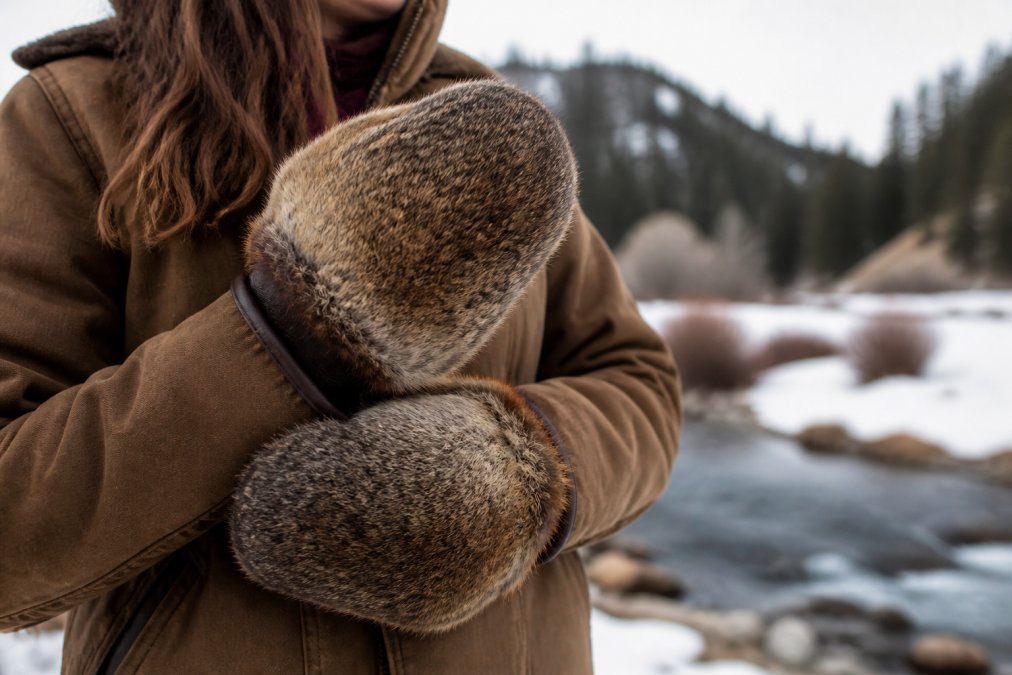
Small fur accessories make excellent gifts because they are both practical and luxurious. Consider fur-lined mittens, ear muffs, or a keychain with a fur pom-pom for a subtle touch of luxury. A fur collar or a small throw pillow can also elevate home decor. These items offer a way to enjoy the texture and warmth of fur without the commitment of a full coat, making them perfect for a first-time fur owner.
How do I care for luxury fur gifts to ensure they last?
Proper care is essential for the longevity of a fur gift. Always store the item in a cool, dry place away from direct sunlight, ideally in a breathable garment bag. Avoid getting the fur wet; if it does get damp, shake it out and let it air dry naturally, away from heat sources. For minor dirt, gently shake or brush the fur in the direction of the nap. For deep cleaning or storage during warmer months, professional furrier services are recommended to maintain the pelt's condition.
Giving the gift of fur is a decision that balances aesthetics, ethics, and practicality. It is a choice to invest in a natural, durable material that supports traditional skills and responsible stewardship. Campbell Fine Furs is committed to providing high-quality, artisanal fur accessories that meet these standards, helping you find a gift that is cherished for years to come. View our collection today and give the gift of lasting warmth and craftsmanship.