 blog
blog
Reliable Trapping Gear for Hunters: 2026 Field Guide
Table of Contents
- What Makes Trapping Gear Reliable in the Field
- Essential Trapping Tools Every Hunter Should Carry
- How to Choose Hunting Trapping Bait That Performs
- Best Trapping Tools for Beginners: A Starter Setup
- Trapping Gear Maintenance Tips for Long-Term Durability
- Staking, Anchoring, and Carrying Systems That Hold
- Trapping Regulations and Ethical Gear Choices
- Conclusion
- Frequently Asked Questions
Last Updated: September 10, 2026
What Makes Trapping Gear Reliable in the Field
Reliable trapping gear for hunters is equipment that performs consistently through freeze-thaw cycles, heavy mud, and repeated sets without failing at the moment of capture. That reliability comes down to three things: steel quality, tuning, and how well the gear matches the species and terrain you actually trap. This guide from Campbell Fine Furs covers the tools, maintenance habits, and legal considerations that separate a line that produces from one that keeps letting animals slip.
The stakes are higher than most beginners realize. A trap that fires late, freezes solid, or pulls loose costs you the animal, the set, and sometimes the whole location. The Association of Fish and Wildlife Agencies notes that trapping is regulated at the state level, and those rules shape which gear you can legally run before you ever worry about performance. Below, we break down what to carry, how to maintain it, and where beginners should spend their money first.
Essential Trapping Tools Every Hunter Should Carry
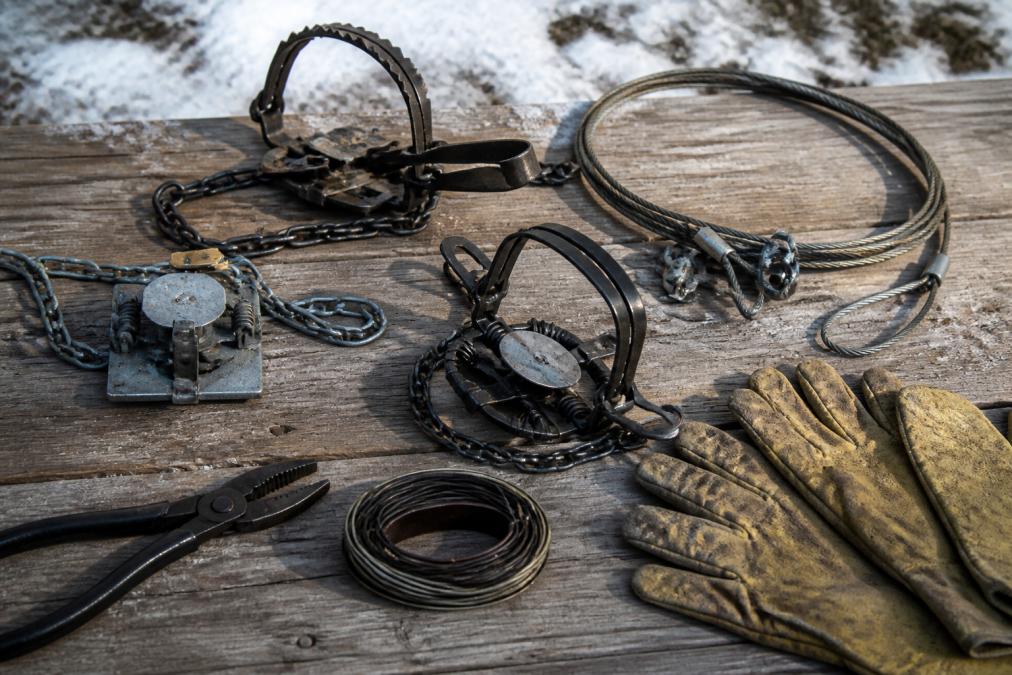
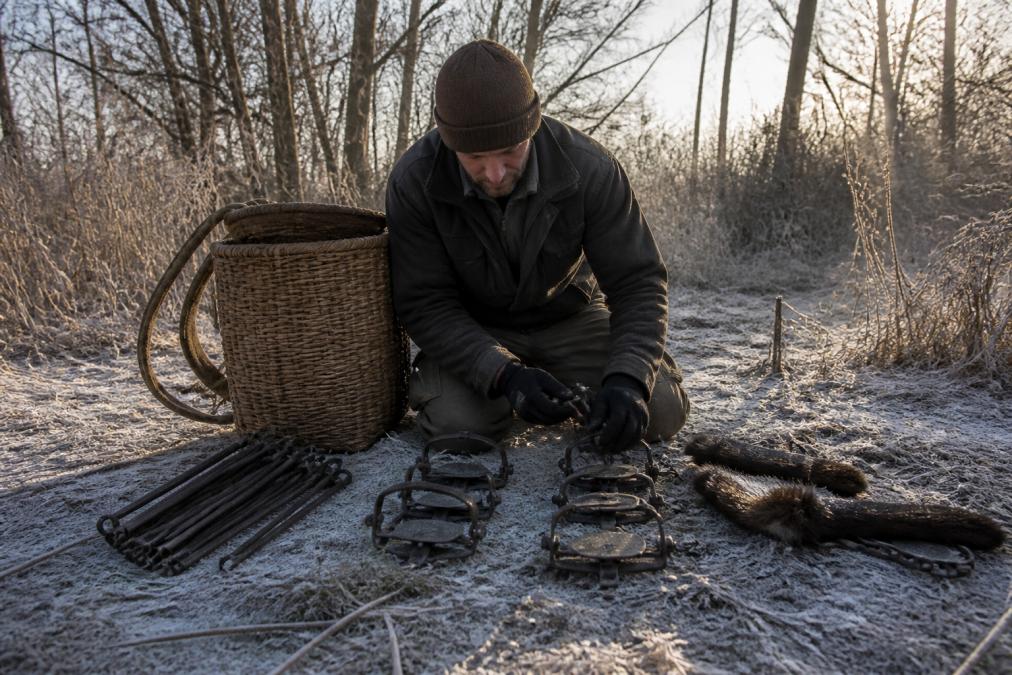
A working trapline needs more than traps. The core kit includes foothold traps, bodygrip traps, cage traps, and cable devices, plus the support gear that keeps them anchored and hidden: steel stakes, earth anchors, baling wire, trap pan covers, and a packbasket to carry it all. Skip any one of these and you'll improvise in the field, which usually means a missed catch.
Foothold Traps vs Bodygrip Traps: Which Fits Your Line
Foothold traps hold an animal by the foot and let you release non-target catches alive, which makes them the standard choice for land trapping and catch-and-release situations. Bodygrip traps kill quickly and hold firmly, and they're the better pick for water trapping where drowning sets are legal and practical.
The trade-off matters. Footholds require more tuning and bedding skill to work well, while bodygrips are less forgiving of a sloppy set but leave no room for release. A common mistake is buying bodygrips first because they look more decisive, then discovering your terrain and regulations favor footholds.
Cage Traps and Cable Devices for Live Capture
Cage traps and cable devices cover the situations footholds and bodygrips handle poorly. Cage traps work well around buildings and for species where a live, unharmed capture is required. Cable devices are lightweight, pack flat, and suit trappers covering long distances on foot.
What most guides miss is that cable devices demand the most careful attention to state regulations, since their legal status varies widely by species and location.
How to Choose Hunting Trapping Bait That Performs
Choosing hunting trapping bait comes down to matching the lure to the species, the season, and the set type, not to whatever smells strongest. A bait that draws raccoons in October may do nothing for coyotes in January. Scent control matters as much as the lure itself; human odor on the set spooks cautious animals before they ever commit.
A practical approach:
- Use food-based baits for omnivores and generalists
- Use gland-based or curiosity lures for canines and felines
- Match bait strength to the season; cold weather calls for stronger, longer-lasting scents
- Keep a rotation so animals don't get educated to one smell
Campbell Fine Furs carries Western lures built on Andy Weiser's formulas, which gives trappers a scent line rooted in traditional methods rather than mass-produced shortcuts.
Best Trapping Tools for Beginners: A Starter Setup
The best trapping tools for beginners are a small number of versatile, well-made items rather than a large collection of specialty gear. Start with one trap type you can master, add anchoring and bedding tools, and expand only after you've run a full season.
A realistic starter list:
| Item | Purpose | Priority |
|---|---|---|
| Foothold traps (assorted sizes) | Core land sets | High |
| Steel stakes and earth anchors | Secure anchoring | High |
| Trap pan covers | Keep pans working in freeze/thaw | High |
| Baling wire | Fast field repairs | Medium |
| Packbasket | Carry and organize gear | Medium |
| Scent-control supplies | Reduce human odor | Medium |
Trapping Gear Maintenance Tips for Long-Term Durability
Trapping gear maintenance tips start with a simple rule: treat every trap after every season, not after every few years. Rust, bent jaws, weak springs, and stiff pans all develop quietly, and a trap that sat wet in a packbasket all summer will fail on the first cold set. The difference between a trap that lasts three seasons and one that lasts fifteen usually comes down to whether the off-season routine was actually followed.
Start with a full inspection before anything else. Check springs for cracks or flat spots by compressing them and listening for a clean snap. Look at the jaw ends where they meet the frame, since that is where stress fractures appear first. Test the pan by pressing it with a light finger; it should drop with minimal resistance and sit level in the frame. Replace worn chain, swivels, and stakes before they fail in the field rather than after.
Rust Prevention, Trap Dye, and Waxing
Rust prevention, trap dye, and waxing form the standard off-season routine, and the sequence matters as much as the products. Clean the trap first, remove old rust with a wire brush or vinegar soak, dye it, then wax it. Skipping the cleaning step traps moisture under the coating and speeds up corrosion instead of preventing it.
Dyeing adds a protective, earth-toned coating that blends the trap into the ground and gives the wax something to bond to. Most practitioners dye in a dedicated pot outdoors, bringing the solution to a low boil and submerging traps until they take on an even, dark color. Waxing comes next: melt paraffin or a trap wax blend in a separate pot, dip the dyed trap, and let it drain. The wax lubricates the moving parts, seals out moisture, and helps the trap fire cleanly in cold weather.
A few practical notes that separate a working routine from a ruined batch:
- Never wax a trap without dyeing it first, and never dye a trap that still has grease or oil on it. The coating won't bond, and the trap will rust from underneath within a season.
- Keep dye and wax pots separate and never use them for food. Residue carries over.
- Work outdoors or in a well-ventilated space. Both processes produce fumes.
- Let traps cure for a day or two before packing them, so the wax sets rather than smearing.
Tuning Traps for Reliable Firing
Maintenance and tuning overlap. A trap that is clean, dyed, and waxed but out of tune will still miss catches. Tuning means adjusting the pan tension so the trap fires under the weight of the target species but not under a falling leaf, and making sure the jaws close evenly and the dog engages the pan consistently.
Most practitioners tune by feel and by species. A coyote set generally wants a firmer pan than a raccoon set, because a light pan educates animals and a heavy one lets them pull free. File the dog notch if it is too deep, or bend it slightly if it is too shallow. Check that the pan sits level and does not rock. Small adjustments made in the off-season save missed catches in the field.
Gear durability is a maintenance habit, not a purchase decision. A trapper who inspects, cleans, dyes, waxes, and tunes every trap each year will outlast one who replaces gear every season, and the difference shows up in catch rates long before it shows up in the equipment budget.
Staking, Anchoring, and Carrying Systems That Hold
Staking and anchoring decide whether a catch stays put. Steel stakes work in soft ground, angle iron holds in firmer soil, and earth anchors with slide wires or grapples handle situations where a stake won't bite. The right choice depends on soil type, species size, and whether you're on land or in water.
Carrying systems deserve equal attention. A packbasket keeps traps organized and accessible, protects them from banging together, and lets you move efficiently between sets. Trappers covering long distances on foot often pair a packbasket with a light shoulder bag for lures and tools.
For water trapping, slide wires and grapples let a caught animal move into deeper water, which is both more humane and more secure than a fixed stake in soft mud.
Trapping Regulations and Ethical Gear Choices
Trapping regulations and ethics are not an afterthought; they determine which gear you can legally use, and they are the part of trapping that most gear guides skip entirely. Every state sets its own rules on trap types, sizes, cable devices, tagging, and season dates, and those rules change from year to year. Before you set a single trap, check your state wildlife agency's current regulations, not last season's copy.
The Association of Fish and Wildlife Agencies notes that trapping is regulated at the state level, and those rules shape which gear you can legally run before you ever worry about performance. The U.S. Fish and Wildlife Service oversees federal wildlife law and international trade in fur, which affects how pelts can be sold and transported.
How Gear Choices Map to State Rules
The practical work is matching each piece of gear to the rules that govern it. A few patterns show up across most states:
- Trap type restrictions. Some states prohibit bodygrip traps on land or above water, while allowing them in water sets. Others restrict cage traps or require specific sizes for certain species.
- Cable device rules. Cable devices are the most heavily regulated category. Legal status varies widely by species, location, and even by county, and some states require specific cable lengths, stops, or breakaway devices.
- Size and jaw-spread limits. Many states cap jaw spread for foothold traps by species, so a trap that is legal for coyotes may be illegal for foxes in the same area.
- Tagging and identification. Some states require trapper identification tags on each trap or at each set, with specific information and placement.
- Check intervals. Most states require traps to be checked every 24 hours, though some allow longer intervals for certain set types or species.
- Bait and lure restrictions. Some states restrict certain baits or lures, particularly where non-target species or protected wildlife are a concern.
A common pattern is for trappers to buy gear first and read regulations second. That order costs money and sometimes costs a season. Read the rules for every species you intend to target, in every location you intend to trap, and build your gear list around what is actually legal.
Ethical Gear Choices in Practice
Ethics and legality overlap but are not identical. Using the right trap size for the species, checking sets regularly, and releasing non-target catches properly protect both the resource and the future of trapping. A trap that is legal but oversized for the target species is still a poor choice, because it increases injury to non-target animals and invites regulatory scrutiny.
Practical ethical habits that experienced trappers follow:
- Match trap size and type to the target species, not to what is easiest to set.
- Check sets at the interval your state requires, and more often in extreme weather.
- Carry release tools and know how to release non-target catches alive.
- Avoid setting where pets, livestock, or protected species are likely to encounter traps.
- Keep records of what you catch, including non-target releases, so you can adjust your sets.
Conclusion
Getting reliable trapping gear for hunters right takes patience, honest maintenance, and respect for the rules that govern the line. Campbell Fine Furs serves trappers with Western lures made from Andy Weiser's formulas, alongside a range of artisanal fur accessories and home goods for those who value traditional craftsmanship. Browse the full collection to find lures, baits, and fur goods built to last.
Frequently Asked Questions
What are the essential tools for a beginner trapper?
Start with a few foothold traps sized for your target species, steel stakes, baling wire, a packbasket for carrying, and a basic trap tuning kit. Add pan covers and a trowel for bedding traps. For water trapping, include grapples and slide wires. Buy quality over quantity. Cheap traps bend, lose tension, and cost more in replacements. A modest set of well-made tools outperforms a large box of bargain gear every season.
How do I choose reliable traps for different species?
Match trap size and type to the animal. Foothold traps work well for coyote, fox, and raccoon, while bodygrip traps suit muskrat and mink in water sets. Cable devices are useful for live capture where legal. Check your state regulations first, because some traps are restricted or banned for certain species. Look for traps with strong springs, smooth jaws, and consistent pan tension. Field testing and trap tuning before the season catches problems early.
How do I maintain my trapping gear to ensure reliability?
Clean dirt and debris after every use, then check for bent frames or weak springs. Apply rust prevention each off-season, and use trap dye and waxing on footholds to protect metal and reduce scent. Store traps in a dry place, away from moisture. Replace worn stakes and frayed cables. Gear durability comes from routine, not from occasional deep cleaning. A simple post-season routine keeps traps working for years.
Are there specific regulations for trapping gear in my state?
Yes. Each state sets its own rules on trap types, sizes, tagging, and season dates. Some states restrict or ban certain bodygrip traps, and many require trapper education before you buy a license. Check your state wildlife agency website for current regulations before you set anything. Trapping ethics and legal compliance go together. Following the rules protects wildlife and keeps access open for everyone.
Reliable gear only pays off when it's matched to your terrain, your species, and your state's rules. Campbell Fine Furs offers Western lures made with Andy Weiser's formulas, plus high-quality fur accessories and home goods for outdoors-focused households. Get started with Campbell Fine Furs and build a trapline you can trust season after season.