 how-to
7 Reasons Fur Accessories Are Practical for Texas
Last Updated: October 26, 2026
Quick Summary
Fur accessories are practical for Texas because the state's weather swings hard in both directions: short, sharp cold snaps in winter and heavily air-conditioned interiors the rest of the year. The honest answer is yes, if you choose the right pieces. Small, high-impact pieces you reach for a dozen times a season work better than a four-month parka commitment.
- Fur accessories work best as accent layers covering the neck, head, and hands.
- Pick pieces that slip into a bag when afternoon warmth arrives.
- Fur scarves and slim wraps suit chilly offices, patios, and banquet halls.
- Fur hats make sense only during the cold window, more so in the Panhandle.
- Buy for the average day, not the coldest day of the year.
Table of Contents
- Why Fur Accessories Make Sense in Texas Weather
- Fur Accessories for Mild Weather: Where They Actually Fit
- Fur Hats for Winter: The Weeks That Justify Them
- Real Fur Versus Faux Fur Accessories: A Practical Comparison
- How to Store Fur in Warm Weather Without Ruining It
- Choosing Pieces That Earn Their Place in Your Wardrobe
- Budget-Friendly Versus Investment Fur Pieces
- Browse Campbell Fine Furs Accessories Built for Real Conditions
- Frequently Asked Questions
Why Fur Accessories Make Sense in Texas Weather
Fur accessories are practical for Texas because the state's weather swings hard in both directions: short, sharp cold snaps in winter and heavily air-conditioned interiors the rest of the year. The honest answer is yes, if you choose the right pieces.
Texas winters are brief but real. A blue norther can drop temperatures overnight, and mornings in the twenties are common in the northern part of the state. Then the afternoon sun comes out, and you're down to a light layer.
That's the case for fur here: it's not a four-month parka commitment. It's a set of small, high-impact pieces you reach for a dozen times a season.
For a fuller breakdown of which types work best, see our guide to fur accessories for mild climates.
Fur Accessories for Mild Weather: Where They Actually Fit
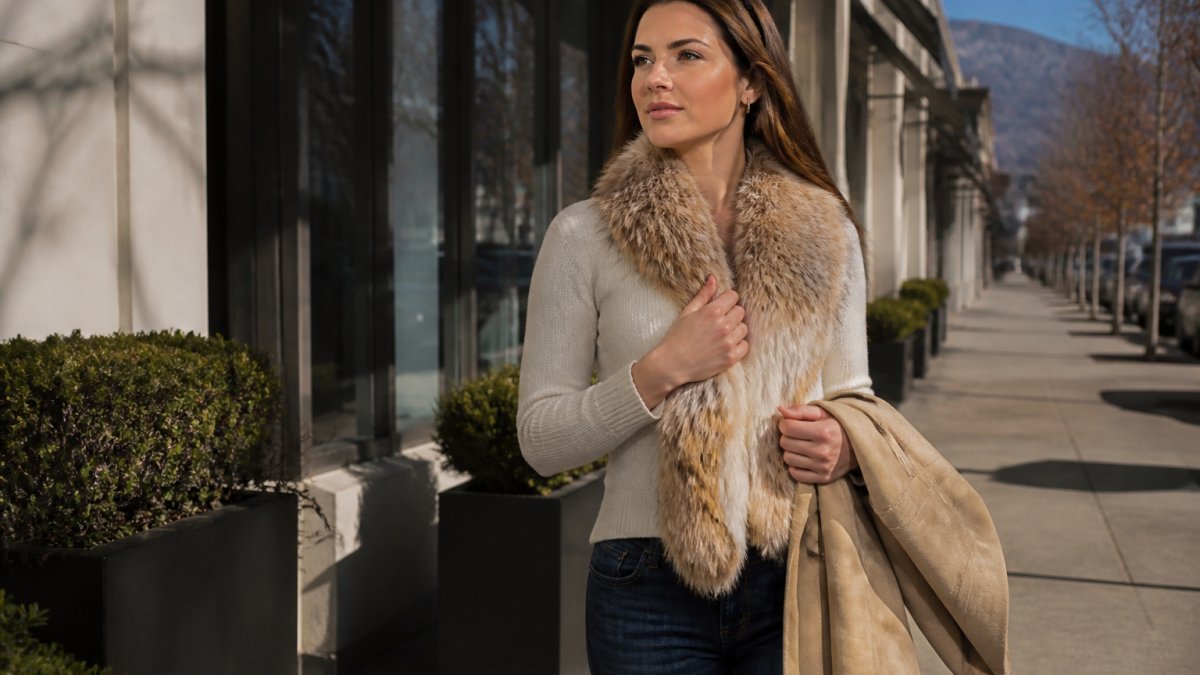
Fur accessories for mild weather work best as accent layers, not full coverage. Think a fur scarf over a denim jacket, a fur-trimmed vest over a sweater, or a fur headband on a windy morning. The goal is warmth where you lose heat fastest: neck, head, and hands.
Cool Mornings, Warm Afternoons: Layering That Works
The layering formula is simple:
- Start with a breathable base layer, cotton or merino.
- Add a mid-layer you can remove, like a sweater or flannel.
- Top with a fur accessory that covers your neck or head.
- Carry a light jacket for the afternoon warm-up.
That fourth step matters. Most Texas cold is a morning problem. By two in the afternoon you'll want the fur off, so pick pieces that slip into a bag or over a chair without fuss.
Air Conditioning, Evening Patios, and Event Season
Here's the angle most guides miss: fur earns its keep indoors too. Restaurant patios with misters, cold offices, and evening events all call for a light layer. A fur scarf or a slim fur wrap can be worn in a chilly banquet hall, and it looks intentional rather than improvised.
Fur Hats for Winter: The Weeks That Justify Them
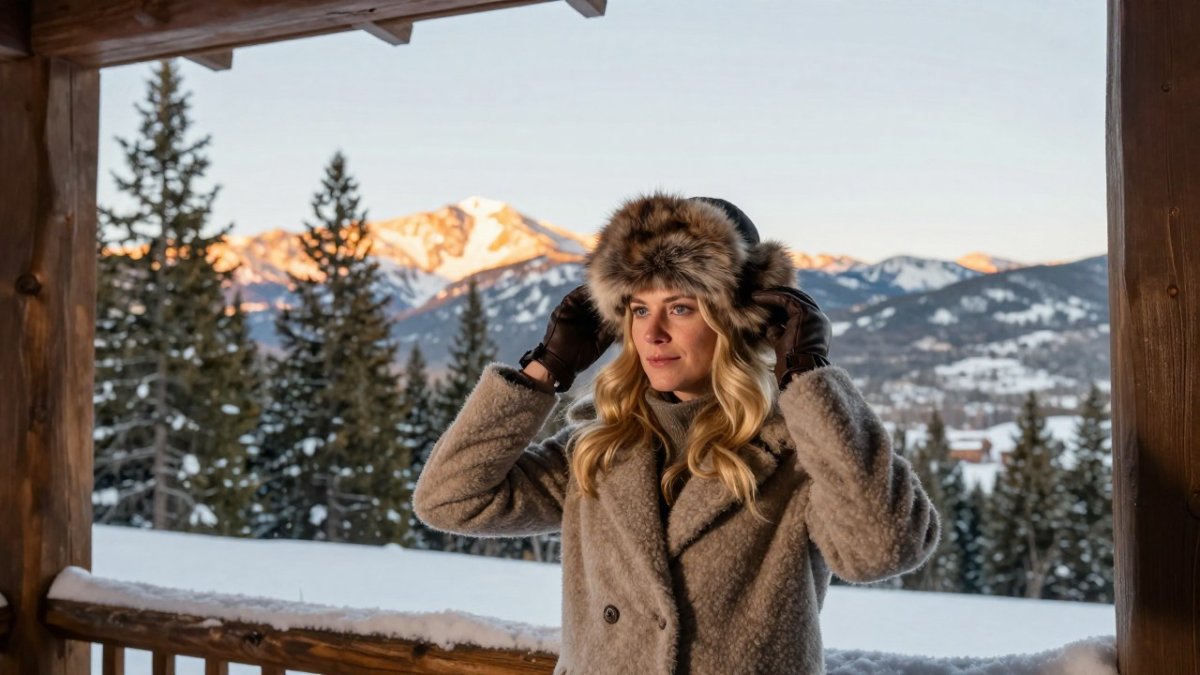
Fur hats for winter may make sense in Texas during cold weather. Outside that window, a fur hat sits in storage. Inside it, a fur hat can be worn for a cold morning commute or a late-season hunt.
We won't oversell this. If you live near the coast, your cold season is shorter. If you're in the Panhandle or the Hill Country, you'll get more wear.
For a closer look at whether a hat fits your routine, read are fur hats practical in Texas.
Real Fur Versus Faux Fur Accessories: A Practical Comparison
Real fur versus faux fur accessories comes down to three things: how each handles heat and humidity, how long each lasts, and how each ages. Most comparisons stop at warmth and price. That misses the question that actually matters in a humid climate: what happens to the material when the air is heavy and the temperature swings from a cold morning to a warm afternoon.
How Each Type Handles Heat, Humidity, and Wear
| Factor | Real Fur | Faux Fur |
|---|---|---|
| Breathability | Natural airflow through the coat | Traps moisture, feels clammy |
| Humidity | Dries with proper airing | Mats when damp |
| Lifespan | Decades with care | A few seasons |
| Repairs | Can be cleaned and reshaped | Usually replaced |
| Warmth per weight | High | Lower |
| Behavior when wet | Guard hairs shed water; undercoat insulates even when damp | Synthetic fibers hold water against the skin |
| Static and cling | Minimal | Noticeable in dry, air-conditioned rooms |
The Material Science in Plain Terms
- Moisture transport. Natural fur fibers have a scaly outer structure that wicks and releases moisture slowly. Synthetic pile is essentially plastic; it does not absorb or release moisture, so dampness sits at the skin.
- Thermal buffering. Real fur insulates across a wider temperature range because the undercoat traps air that the guard hairs protect. That is why a fur scarf can feel right at 40°F and still tolerable at 60°F, while a faux piece tends to feel either too warm or too cold with no middle ground.
- Recovery. Natural fur springs back when brushed and aired. Synthetic pile loses loft permanently once the fibers crush, which is why faux pieces look tired after a season of storage in a warm closet.
What This Means for Daily Wear Here
For a fuller breakdown of which types work best, see our guide to fur accessories for mild climates.
How to Store Fur in Warm Weather Without Ruining It
Storing fur in warm weather is where most people go wrong, and humid climates make it harder than the generic advice admits. Heat, humidity, and pests do the damage, and all three are present through a long, muggy summer. The fix is still cool, dark, dry, and breathable, but the details matter more than the slogan.
Why Humid Summers Are Hard on Fur
- Mold and mildew. Mold spores are everywhere; they need moisture and still air to colonize. A fur piece sealed in a plastic bag in a warm closet is the ideal environment. The first sign is a musty smell, then faint gray or green spotting along the leather side of the pelt.
- Leather degradation. The hide beneath the fur is skin. Repeated swings between humid air and dry air-conditioned rooms pull moisture in and out of the leather, which stiffens it over time and can lead to cracking at stress points like shoulders and cuffs.
- Pest life cycles. Carpet beetles and clothes moths are the classic fur pests, and warm, undisturbed storage lets a single generation become an infestation before you notice. Oils and sweat left on the piece are what attract them first.
A Storage Routine That Holds Up in Humidity
- Clean the piece before storage; oils and sweat attract pests
- Use a breathable cloth bag, never plastic
- Keep the storage spot dark and below room temperature if possible
- Add cedar or a pest deterrent nearby, and refresh it through the season
- Avoid the attic and garage entirely; both swing in temperature and humidity
- Check the piece once a month during the warm months, looking for musty smell, spotting, or insect activity
- Air it out in a dry, shaded space before the season starts
Choosing a Storage Spot
The best spot in most homes is a cool interior closet away from exterior walls, not an attic, garage, or shed. Interior closets stay closer to room temperature and are less affected by the daily humidity swings that drive condensation. If you have a climate-controlled closet or a spare room you keep cool, that is better still. The goal is stable conditions, not just cold ones; a spot that is cool at night and warm by afternoon is harder on fur than a spot that stays mildly cool all day.
When to Call a Professional
Our step-by-step guide on how to store fur accessories walks through the full process.
Choosing Pieces That Earn Their Place in Your Wardrobe
The right fur accessory is the one you'll actually wear. For Texas, that usually means small, versatile pieces that work with what you already own.
A few guidelines:
- Pick neutral tones so the piece pairs with most of your wardrobe.
- Start with a scarf or headband before committing to a larger piece.
- Match the weight to your climate, not to a catalog photo.
- Think about your routine: commute, office, evenings out, or field use.
A common mistake is buying for the coldest day of the year instead of the average day. Buy for the weather you actually get, and the piece will earn its keep.
Budget-Friendly Versus Investment Fur Pieces
Budget-friendly versus investment fur pieces is really a question about cost per wear.
If you're weighing the two paths, our article on why artisanal fur accessories last longer explains the difference in detail.
Browse Campbell Fine Furs Accessories Built for Real Conditions
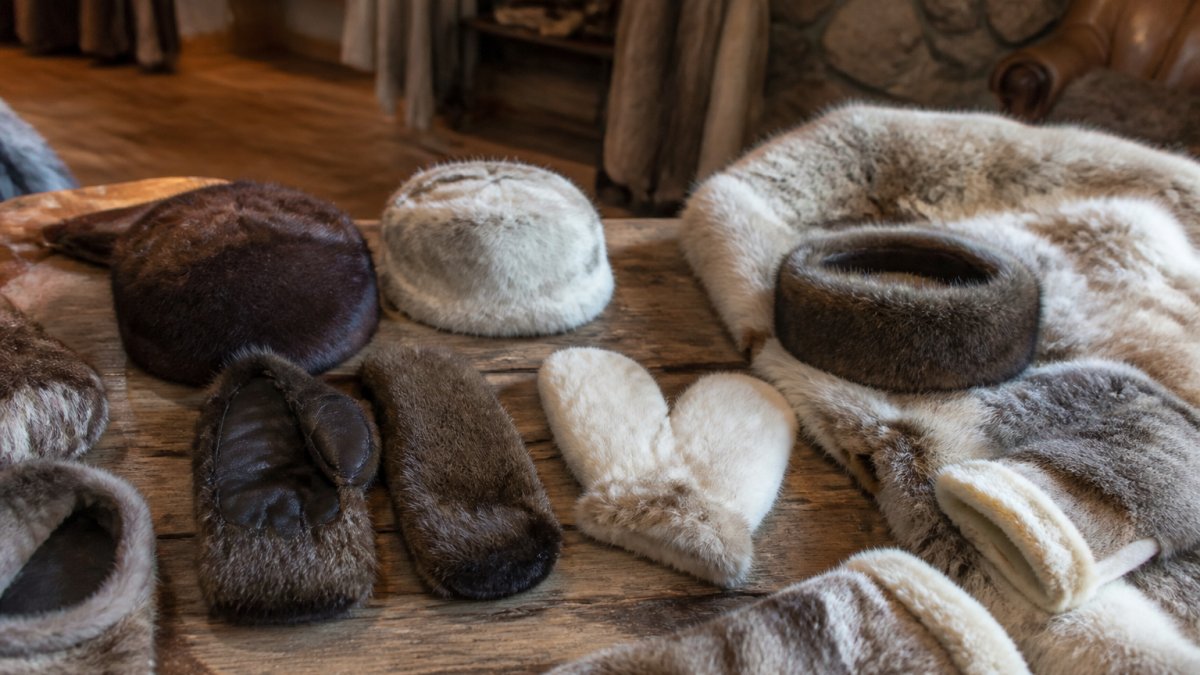
Our hats, scarves, and mittens are available for people looking for fur accessories.
When you're ready to see the collection, browse our fur hats and find a piece that fits how you actually live.
Frequently Asked Questions
Are fur accessories practical in a warm climate?
They can be, if you choose the right pieces. The key is matching the weight of the piece to how often you will actually face cool conditions, rather than buying for a deep-winter climate you do not live in.
When is it cold enough to wear fur hats for winter?
A fur hat may suit cold-weather wear. Consider your routine and the conditions you expect to face when deciding when to wear one.
How should fur accessories be stored in a warm climate?
Store fur in a cool, dark closet away from direct sunlight, heat vents, and humidity. Use a breathable cotton or fabric garment bag rather than plastic, which traps moisture and can encourage shedding or mildew. Keep pieces off wire hangers, brush them before storing, and check them once a season. In humid months, a dehumidifier or a dry interior closet makes a real difference to how the fur holds up year after year.
Is real fur or faux fur better for Texas conditions?
Real fur handles humidity and repeated wear better in most cases because natural fur fibers breathe and move rather than matting down. Faux fur can look sharp and costs less, but many synthetic versions trap heat, clump when damp, and shed over time. If you want a piece you will wear for a decade, real fur usually wins on durability. If you want a trend piece or a lower entry point, faux fur is a reasonable choice.
The challenge with fur in a warm climate is choosing pieces that fit your real routine, not a fantasy of deep winter. Campbell Fine Furs can help you get that right, with artisanal fur hats, scarves, and mittens made for genuine cold snaps and everyday wear. Our team focuses on quality materials and tasteful design, so each piece earns its place in your wardrobe for years. Get started with Campbell Fine Furs and build a small collection you'll reach for every season.