 listicle
Trapping Supplies for Expert Hunters: Complete Gear Guide
Table of Contents
- Essential Trapping Supplies for Expert Hunters
- How to Choose Hunting Trapping Bait and Lures
- Best Lures for Predator Trapping Success
- Legal Regulations for Body-Grip Traps and Trap Placement
- Trap Tools, Accessories, and Field Maintenance
- Sustainable Trapping and Bycatch Prevention
- Frequently Asked Questions
Last Updated: August 31, 2026
Essential Trapping Supplies for Expert Hunters
Trapping supplies for expert hunters represent specialized equipment designed for precision, durability, and ethical wildlife management. The right gear makes the difference between a successful season and wasted effort. At Campbell Fine Furs, we understand what experienced trappers need: equipment that performs in harsh field conditions and delivers consistent results.
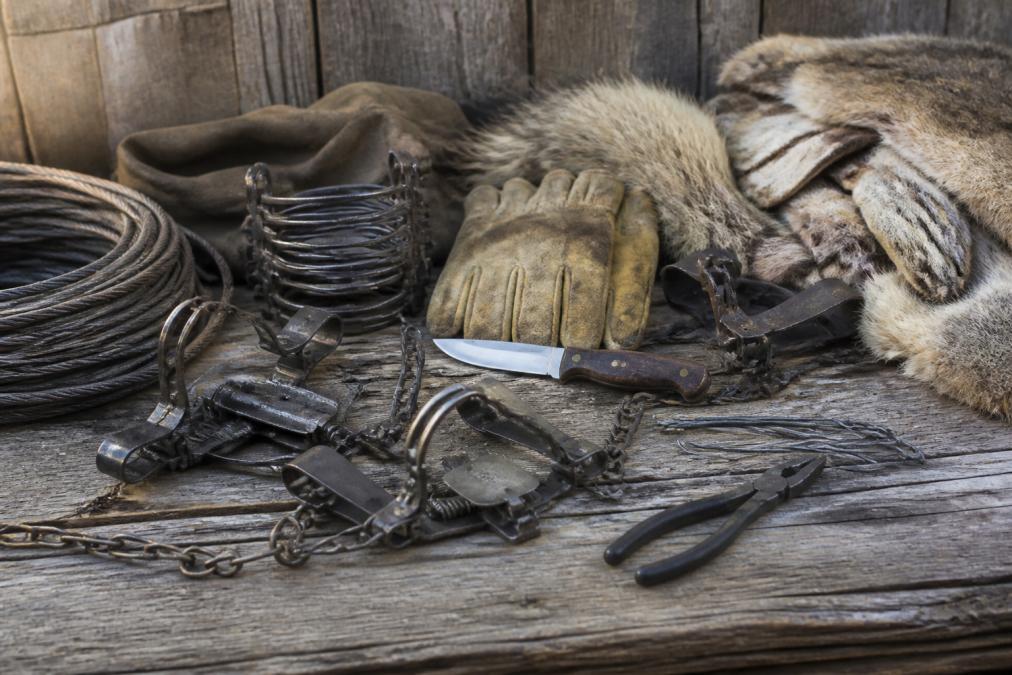
Foothold traps, bodygrip traps, and cage traps each serve distinct purposes. Beyond the traps themselves, you'll need anchoring systems, lures, bait, and maintenance tools that keep your sets functioning in harsh conditions.
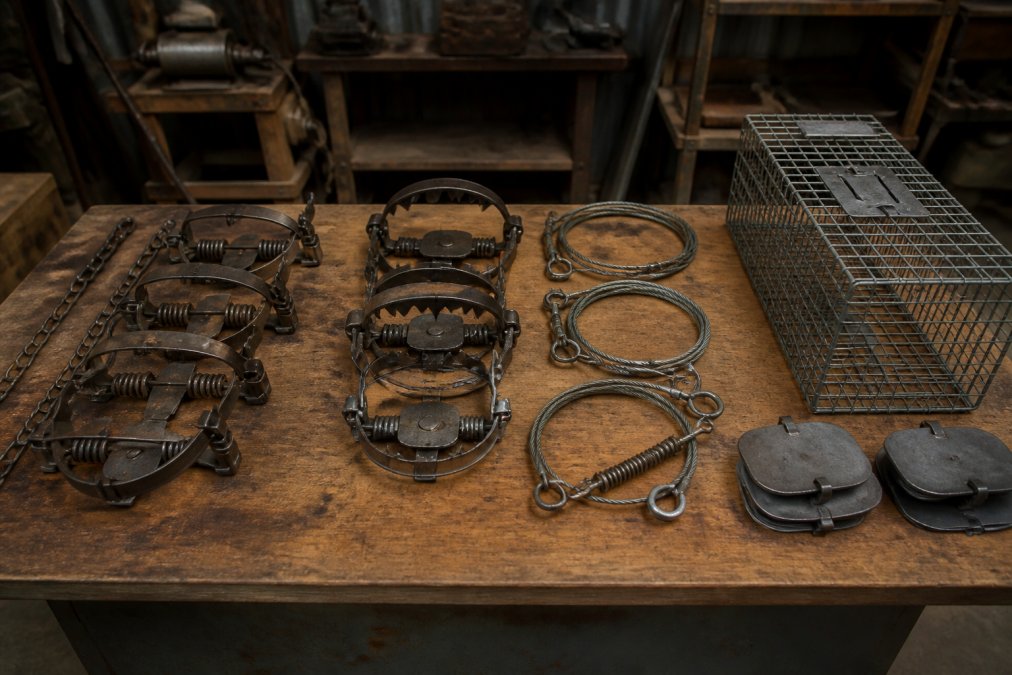
Foothold Traps and Bodygrip Traps
Foothold traps remain the workhorse of professional trappers, using spring tension to hold an animal's leg when the trap pan is triggered. A quality foothold trap needs consistent trigger sensitivity, too light and you'll catch non-target species; too heavy and wary animals avoid it. The pan cover is critical, protecting the mechanism from debris while allowing the target species to trigger naturally.
Bodygrip traps, also called conibear traps, snap shut with lethal force when triggered, designed to dispatch the animal quickly. These devices require precise placement and anchoring. The choice between foothold and bodygrip depends on your target species and ethical considerations. Foothold traps allow live capture and release of non-target animals. Bodygrip traps are more selective when positioned with precision but require expert knowledge of animal behavior.
Cage Traps and Cable Devices
Cage traps offer live-capture capability essential for relocation or humane handling. A dogproof trap cage is specifically designed to exclude domestic dogs while capturing target species. Cable devices and snares use a sliding loop of aircraft-grade wire to restrain the animal. The grapple or anchor point must hold firm against full animal strength, and the slide wire must move freely without slipping under load.
How to Choose Hunting Trapping Bait and Lures
Selecting the right bait separates successful trappers from frustrated ones. Your choice depends on target species, season, local availability, and performance trade-offs. What works for fox won't work for mink. Understanding bait mechanics, not just what to use, but why and when, distinguishes expert-level trapping from trial-and-error approaches.
Bait Selection by Target Species and Season
Each species has distinct preferences rooted in natural diet and seasonal feeding patterns. Carnivores respond to meat-based baits, but the specific type matters: fresh poultry attracts different species than aged fish.
Meat-Based Baits: Fresh poultry works quickly but attracts a broader range of non-target species and degrades within 24-48 hours in warm weather. Aged meat develops a stronger scent profile that travels farther and lasts longer. Fish-based baits create an exceptionally strong scent plume ideal for large territories. Many professional trappers use a layered approach: fresh bait near the trap to trigger investigation, aged bait upwind to create initial attraction.
Organ Baits: Liver, heart, and other organs create a scent profile that mimics natural predation, working particularly well for canines and felids. These baits degrade faster than muscle meat but create a more intense scent gradient over shorter distances.
Bait Freshness and Temperature Dynamics: In warm weather (above 60°F), replace bait every 12-24 hours. In cold climates (below 32°F), frozen bait can last weeks. In fall and spring (40-60°F), bait remains effective for 3-5 days.
Bait Quantity and Placement: A small piece (1-2 ounces) creates a subtle scent signal without overwhelming non-target species. Placement should be 6-12 inches from the trap trigger, close enough that the animal must interact with the trap to access the bait.
Scent Control and Attractants
Your own human scent can ruin a carefully set trap. Wash your hands with unscented soap, wear clean gloves, and avoid contaminating bait with food odors or perfumed products. Many trappers use dedicated clothing stored separately in sealed containers.
Attractants amplify bait effectiveness by creating multiple sensory signals. Urine from target species creates natural curiosity and territorial responses. Gland lures trigger predatory instincts. Light lure application creates a subtle scent trail; heavy application can trigger avoidance in wary animals. The most effective strategy combines multiple scent layers: a base attractant applied to surrounding vegetation 10-15 feet upwind, aged bait 6-12 inches upwind, and fresh lure at the trap trigger.
Bait Storage and Preservation
Fresh meat should be kept in a cooler with ice until use. Aged bait can be stored in sealed containers in a cool location (50-60°F) for extended periods. Fish-based baits should be stored in airtight containers to prevent odor contamination and slow oxidation. Some trappers add salt to aged meat baits to slow bacterial growth while maintaining scent development.
Best Lures for Predator Trapping Success
Predator control demands precision in lure selection and application. You're competing against the animal's natural instincts and survival experience.
Urine-Based Lures and Natural Attractants
Urine-based lures trigger territorial and predatory responses. A coyote encountering another coyote's urine will investigate. Quality urine-based lures maintain potency through the season when stored properly. Natural attractants derived from animal glands offer advantages urine alone cannot match, creating complex scent profiles that trigger multiple response types simultaneously.
Field-Proven Lure Strategies
The most effective lure strategy combines multiple scent layers: a base attractant applied to surrounding vegetation, aged bait upwind of the trap, and fresh lure at the trap trigger. Fresh lure application every 3-5 days maintains effectiveness. Seasonal adjustments are critical: spring lures should emphasize mating-related attractants, fall lures should focus on food-based attractants, and winter lures need higher concentration because cold slows scent dispersal.
Legal Regulations for Body-Grip Traps and Trap Placement
Regulations governing trapping vary significantly by state and county. Body-grip traps face restrictions in many jurisdictions. Before setting any trap, consult your state's wildlife agency for current regulations. Violations carry significant penalties and legal compliance protects wildlife populations and prevents non-target captures.
Placement strategy must balance effectiveness with ethics and legality. Traps should be positioned where target species naturally travel, away from areas where domestic animals or people frequent.
Trap Tools, Accessories, and Field Maintenance
Expert trappers distinguish themselves by understanding how to diagnose problems in the field and execute repairs that keep operations running through harsh seasons.
Essential Accessories for Trap Setup and Anchoring
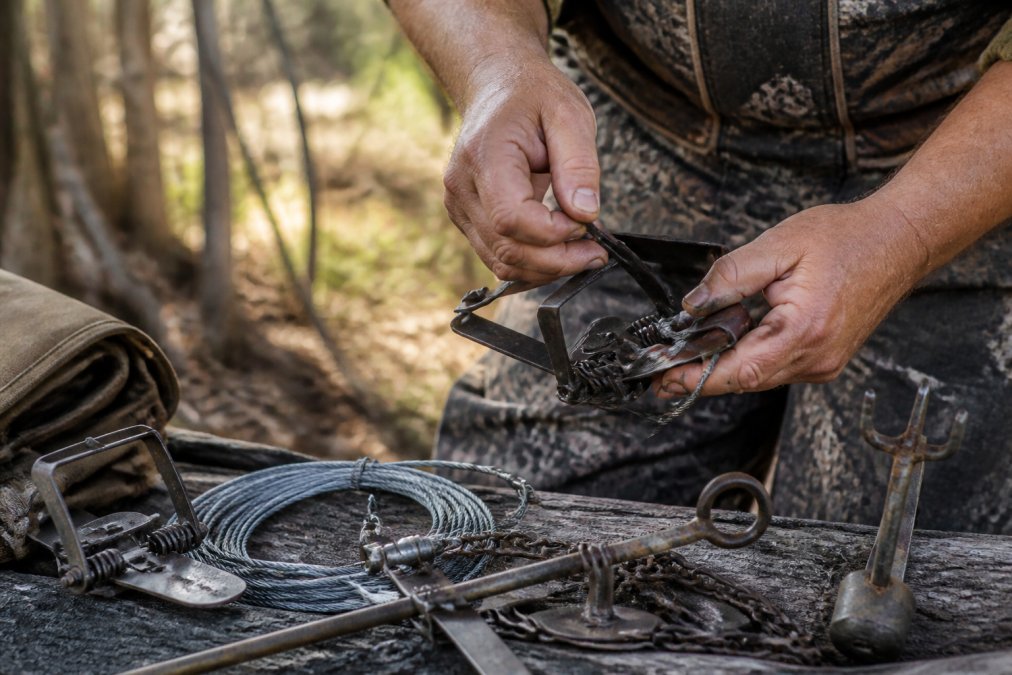
A quality stake drives deep and holds firm under full animal weight. Grapple hooks anchor traps to immovable objects with enough security that the animal cannot dislodge the anchor point. Slide wire connects the trap to the anchor with just enough length to allow animal movement without escape (typically 3-6 feet). An animal release stick allows safe handling of trapped animals. Trap pan covers protect mechanisms from debris while allowing target species to trigger naturally. Tongs or grabbers allow safe handling without contaminating traps with human scent.
The anchoring system determines whether your trap holds or fails under stress. Each component must be sized for the species you're targeting: a coyote or bobcat requires heavier-duty anchoring than a mink or weasel.
Advanced Field Repair and Seasonal Maintenance
Traps fail in the field, and the ability to diagnose and repair problems on-site separates experienced trappers from those who abandon sets prematurely.
Spring Tension Loss: A foothold trap with weakened spring tension shows sluggish trigger response. Field repair involves carrying replacement springs matched to your trap model. Remove the old spring, install the new spring with the same tension orientation, and test the pan response before resetting.
Trigger Mechanism Sticking: Rust, debris, or corrosion prevents the trigger from releasing cleanly. Clean the trigger pivot point with a wire brush. Apply light lubricant, gun oil or penetrating oil, to the trigger assembly. Work the mechanism by hand several times to distribute lubricant and clear debris.
Bent or Damaged Pan: A pan that's bent, cracked, or warped won't trigger reliably. Inspect the pan surface for flatness. Minor bends can sometimes be straightened with a rubber mallet, but a cracked or severely bent pan requires replacement.
Slide Wire Damage: A kinked, frayed, or partially severed slide wire compromises the connection between trap and anchor. A minor kink can sometimes be straightened, but severely damaged wire should be replaced.
Carry a Field Repair Kit: Pack replacement springs, trigger components, spare pan covers, slide wire, a small adjustable wrench, pliers, a wire brush, and penetrating oil. Include a small file for smoothing rough edges. This kit weighs less than two pounds but can save a season's worth of sets.
Seasonal Maintenance Protocol: Before the season begins, inspect every trap you plan to use. Test trigger sensitivity, the pan should fire cleanly with moderate finger pressure. Replace weak springs. Clean all traps with a wire brush to remove rust. Dry completely and apply a light coat of oil. After the season, clean traps thoroughly with water and a brush. Dry completely and apply a protective coat of oil or wax. Store in a dry location; rust is the primary enemy of reliable performance.
Cold Weather Considerations: In freezing conditions, lubricants thicken and can slow trigger response. Some trappers switch to lighter oils or graphite powder in extreme cold. Test your traps in actual temperature conditions you'll face.
Sustainable Trapping and Bycatch Prevention
Ethical trapping practices protect non-target species while maintaining sustainable harvest of target species. Prevention starts with trap selection. Foothold traps allow live release of non-target species. Cage traps exclude non-target animals through design. Bodygrip traps require expert placement to minimize non-target risk.
Placement strategy reduces bycatch significantly by positioning traps where target species concentrate while avoiding non-target habitat. Check frequency matters ethically and legally, most regulations require trap checks every 24-48 hours. Sustainable harvest means taking only what the population supports. Trappers who maintain detailed records contribute valuable data to wildlife management agencies.
Selecting the right trapping supplies for expert hunters requires understanding your target species, local regulations, and the specific conditions you'll face in the field. Campbell Fine Furs provides specialized Western lures and baits made with Andy Weiser's formulas, ensuring quality and craftsmanship in every item we provide. Explore our complete selection of trapping supplies and discover the quality and reliability that serious hunters expect. View All Products
Frequently Asked Questions
Q: What are the essential supplies needed to get started with trapping?
A: Professional trappers need foothold traps or bodygrip traps matched to target species, appropriate bait and lures, trap pan covers for scent control, stakes and anchoring systems, grapple hooks, and field maintenance tools. Beginners often overlook trap dye and trap wax, which reduce human odor and improve trigger reliability. Quality gear ensures better results and longer equipment lifespan.
Q: How do expert hunters choose the right lure for specific furbearers?
A: The best lures for predator trapping depend on target species and season. Coyotes and foxes respond to urine-based lures and predator distress calls, while raccoons prefer food-based attractants. Professional trappers use a combination approach: urine lures for initial attraction, followed by food baits to hold animals at the set. Scent control through trap wax application and pan covers prevents human odor from contaminating the set. Season, weather, and local prey availability all influence lure selection.
Q: What are the legal requirements for using body-grip traps?
A: Legal regulations for body-grip traps vary by state and county. Most states require a valid trapping license and permit, with specific restrictions on trap size, placement location, and check intervals. Some jurisdictions prohibit body-grip traps entirely or limit their use to specific seasons and target species. Always verify current regulations with your state's wildlife agency before purchasing or deploying any trap. Responsible trappers maintain documentation of their sets and follow all local wildlife management guidelines.
Q: How can I avoid catching non-target species when trapping?
A: Bycatch prevention requires careful trap placement, species-specific bait selection, and dogproof trap configurations when appropriate. Foothold traps set in predator travel corridors reduce accidental capture of non-target animals. Using selective lures and baits, such as species-specific urine or food attractants, helps target your intended furbearer. Regular trap checks every 24 hours, as required by law in most states, allow you to release any unintended captures quickly and humanely.
This article was written using GrandRanker