 How-to
How Can You Verify Fur Supply Chain Transparency?
Last Updated: November 14, 2026
Quick Summary
To verify a fur supply chain, ask for records rather than relying on labels. Confirm the species and origin, trace chain of custody through each processing stage, and check that invoices, permits and lot numbers match one another. Gaps in paperwork mean the origin claim cannot be fully confirmed.
- Ask for a plain species name and the country or region where the animal was trapped or raised.
- Check that invoices or bills of sale confirm every handoff from harvester to finished product.
- Ask for lot or batch numbers that connect the finished item to its pelt records.
- Treat a certificate as one piece of evidence, not proof of origin for a specific item.
- Refusal to name suppliers or mismatched documents is itself a meaningful warning sign.
Table of Contents
- What Fur Supply Chain Transparency Means and Why It Matters
- Step 1: Confirm the Origin and Species of the Fur
- Step 2: Trace Chain of Custody Through Each Processing Stage
- Step 3: Review Documentation and Supplier Disclosure
- Fur Sourcing Transparency Certifications: What They Cover and What They Don't
- How to Identify Sustainable Fur Brands Using a Verification Checklist
- Requesting Proof From Campbell Fine Furs Before You Buy
- Frequently Asked Questions
What Fur Supply Chain Transparency Means and Why It Matters
Fur supply chain transparency means being able to show, with records, where a fur came from, what species it was, and every hand it passed through before it reached you. For a buyer, that is the difference between a claim and proof. Many shoppers see words like "ethically sourced" on a label and assume someone has checked. A buyer can only verify such a claim if the seller provides records behind it.
Transparency matters for two groups. Businesses need it to manage risk and back up what they say in marketing. Consumers need it to make a decision they can defend. A clear paper trail lets a buyer ask the right questions and spot weak answers.
Here is the core idea this guide returns to: a claim is only as good as the documents behind it. Each step below shows how to test that.
Step 1: Confirm the Origin and Species of the Fur
Start with two basic facts: where the animal came from and what species it was. Everything else depends on these.
Check for these details:
- Species name written in plain terms, not just a trade name
- Country or region where the animal was trapped or raised
- Farmed or wild-caught status stated clearly
- Legal basis for the harvest, such as a licensed trapping season
Be cautious when a seller says only "natural fur" or "luxury fur" without naming a species. Vague wording is a common red flag.
Watch out: species labels can be used loosely in marketing. Ask for the specific species name and where it was documented.
Step 2: Trace Chain of Custody Through Each Processing Stage
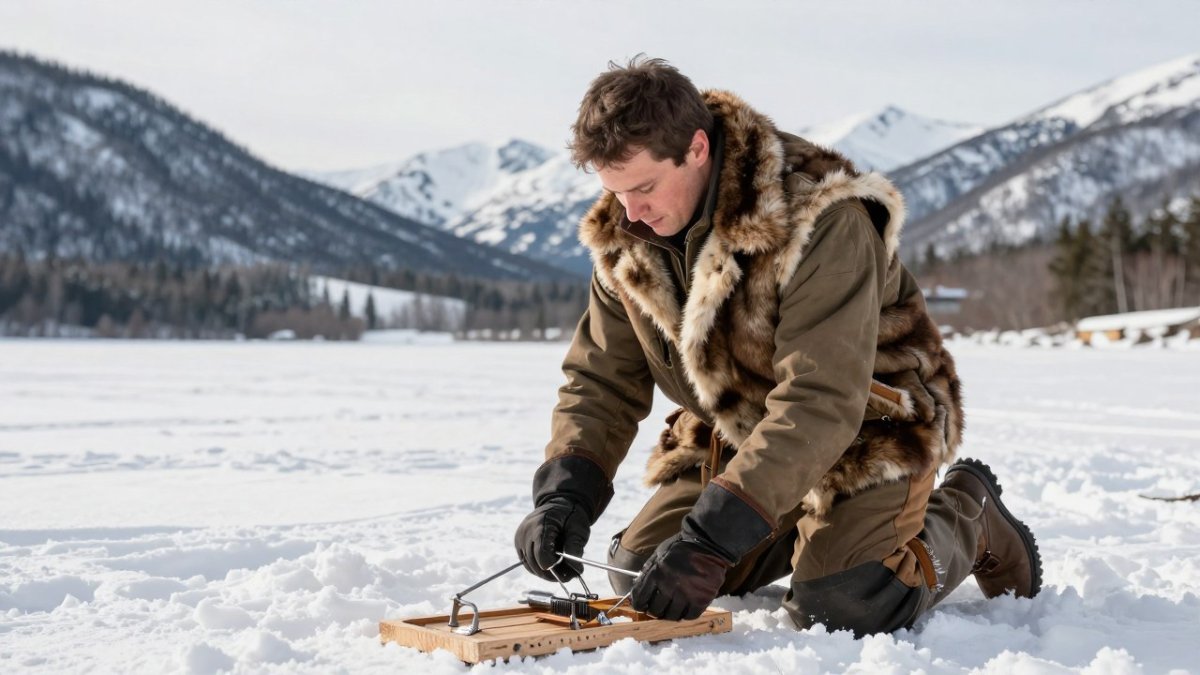
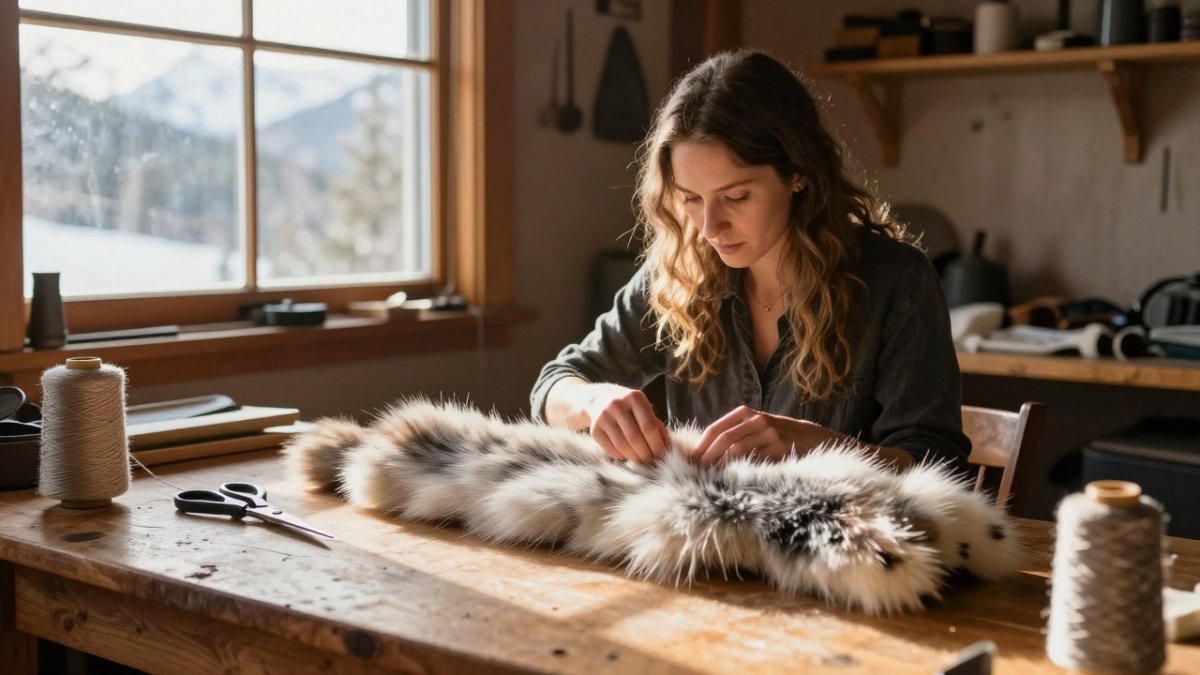
Chain of custody means following the fur from the animal to the finished product, with a record at each handoff. A fur usually moves through several stages: harvesting, pelt preparation, tanning or dressing, dyeing if used, cutting, sewing, and final finishing.

At each stage, ask:
- Who handled the pelt?
- What document or invoice confirms the transfer?
- Does the paperwork name the same species and origin as the earlier stage?
Gaps are the main warning sign. If a pelt changes hands and no record exists for one stage, the earlier origin claim cannot be fully confirmed.
Step 3: Review Documentation and Supplier Disclosure
Documentation is where a transparency claim either holds up or falls apart. For fur, the documents need to do more than name a supplier, they need to link a specific animal or source to pelts, processing, manufacturing, and the finished item. This is the chain-of-custody evidence most general guides skip, and it is the part that matters most for fur.
Ask for these document types and check that they agree with each other:
- Species and origin record, a statement or permit naming the species and the country or region of harvest, plus whether the animal was farmed or wild-caught.
- Harvest or acquisition record, a license, tag, or bill of sale showing the legal basis for the take or purchase.
- Pelt transfer records, invoices or bills of sale at each handoff: from harvester to pelt buyer, pelt buyer to dresser or tanner, and so on.
- Processing records, tanning or dressing statements, and dyeing or treatment records if the fur was altered.
- Manufacturing records, cutting and sewing tickets or work orders that reference the pelt lot.
- Finished-product record, a spec sheet or label record that ties the item to the pelt lot and species claimed.
At each processing stage, ask three questions: Who handled the pelt? What document confirms the transfer? Does the paperwork name the same species and origin as the earlier stage? A gap at any stage means the earlier origin claim cannot be fully confirmed for that item.
Watch out: commingled or mixed materials are the hardest case. If a product blends fur from multiple lots or species, ask for a lot-level breakdown and how the seller separates or tracks each source. A single certificate covering a blended item rarely proves the origin of the specific fur in your hands.
Use this checklist when reviewing what a seller provides:
- Named suppliers for pelts and for each processing stage
- Invoices or bills of sale that match the species and origin claimed
- Dates that make sense in sequence
- Written statement on any dyeing, treatment, or blending
- Lot or batch numbers that connect the finished item to the pelt records
- Contact details so you can ask follow-up questions
If a seller refuses to name suppliers, or the documents do not match the product claims, treat that as meaningful information. A transparent business can usually name its suppliers and show invoices or purchase records; a vague answer is itself a data point.
Fur Sourcing Transparency Certifications: What They Cover and What They Don't
Certifications are one way to check fur sourcing, but they do not answer every question. Certification bodies set standards and audit members against them. Programs vary in scope, so check which standard a product claims, who runs it, and what it actually covers.
A certification usually confirms that a business met specific criteria at the time of audit. It may not cover every supplier, every stage, or the species on a particular item. To judge whether a certificate actually supports a fur claim, assess it on four dimensions:
- Scope, which stages and suppliers the standard covers. A certificate for a finished-goods brand may not reach back to the farm or trap site.
- Independence, who performs the audit and whether the auditor has a financial relationship with the business.
- Recency, when the audit happened and whether the certificate is current. Standards change, and a certificate from several years ago may not reflect current practice.
- Traceability coverage, whether the standard requires lot-level or item-level records, or only company-level policies.
Ask these questions before relying on a certificate:
- Which standard or program is being claimed?
- Which stages of the supply chain does it cover?
- Is the certificate current, and can you see the audit scope?
- Does the standard require chain-of-custody records for the specific species and item?
Watch out: a certificate or audit alone may not prove the origin of a specific fur item. Pair it with the origin and documentation checks above, and treat it as one piece of evidence, not the whole answer.
How to Identify Sustainable Fur Brands Using a Verification Checklist
Sustainability claims are easy to make and hard to prove. A verification checklist helps you compare brands on evidence rather than marketing language.
Use these questions when comparing brands:
- Does the brand name its species and origin for each product?
- Can it show chain-of-custody records for more than one processing stage?
- Does it disclose suppliers, or at least the regions they work in?
- Are its certification claims specific, current, and checkable?
- Does it answer follow-up questions directly and with documents?
A brand that answers all five clearly is easier to trust than one that gives general statements about being responsible. Score each brand on the same questions so the comparison stays fair.
Requesting Proof From Campbell Fine Furs Before You Buy
Before you buy from Campbell Fine Furs, you can ask for the same records described in this guide. Contact the company and request the species and origin for the item you are considering, the supplier information for the pelts, and any certification that applies to that product. Pricing depends on the product and order details, so check the Campbell Fine Furs website for current prices or a quote.
A good answer should be specific and backed by documents. If the response is vague, you have learned something useful before spending any money.
Campbell Fine Furs believes buyers should be able to check a claim for themselves. Ask the questions above, compare the answers, and buy with confidence in what you can verify.
Frequently Asked Questions
How can I tell if fur is ethically sourced? Look for a named species, a stated origin, and chain-of-custody records for each processing stage. Ethical claims are only meaningful when the seller can show documents that support them.
Do fur certifications guarantee transparency? No. A certification shows that a business met a standard at audit time. Check which stages and suppliers it covers, and combine it with your own documentation review.
What documents should a fur seller provide? Ask for invoices or bills of sale, supplier names, species and origin records, and any processing or dyeing statements. Documents should match each other and the product claims.
Why do fur accessories shed or wear out? Quality varies with the pelt, how it was tanned and finished, and how it is cared for. Ask the seller about the processing methods used and how the item should be maintained.
Frequently Asked Questions
How do I know if fur is ethically sourced?
Start by asking the seller where the fur came from, which species it is, and whether they can provide documentation for each stage from origin to finished product. Ethical sourcing claims should be backed by records, not just marketing language. Look for specific supplier information, chain-of-custody documents, and third-party audit or certification details that name the scope they cover. If a seller cannot or will not answer these questions, treat the claim as unverified. For Campbell Fine Furs, request current sourcing documentation directly through the company's website or customer contact channels before purchasing.
What certifications should I look for when buying fur accessories?
Look for fur sourcing transparency certifications issued by recognized independent bodies, and check what each one actually covers. Some certifications verify farming or trapping practices, others verify processing or traceability, and some cover only part of the supply chain. Read the certification scope carefully, confirm it applies to the specific product you are buying, and check whether the certificate is current. A certificate that is expired or covers only one stage of production does not verify the whole chain.
How do brands track the origin of fur materials?
Brands typically track fur origin through supplier records, lot or batch numbers, and documentation that links each pelt or batch to a source and processing facility. Transparent brands keep these records at each stage, from raw pelt to finished accessory. Consumers can ask whether the brand maintains traceability records and whether it can name the processing stages involved. Records that can be checked against physical product labels make verification far more reliable than general origin statements.
Why is traceability important for artisanal fur products?
Artisanal fur products often involve smaller batches and more handwork, which can make origin harder to confirm without clear records. Traceability lets you connect a finished hat, scarf, or mitten back to its materials, species, and processing steps. It also helps you verify claims about craftsmanship and sourcing rather than relying on brand reputation alone. Ask whether the maker can show how materials moved through each stage before the product reached you.